
A landlord tenancy contract forms the legal foundation of every rental arrangement in New Zealand, defining the rights and responsibilities of both property owners and tenants. For self-managing landlords, understanding how to structure and maintain a compliant tenancy agreement is crucial for protecting your investment and avoiding disputes. In 2026, the regulatory landscape continues to evolve, making it essential to stay informed about current requirements and best practices.
Core Components of a Landlord Tenancy Contract
Every landlord tenancy contract must include specific mandatory information to comply with New Zealand's Residential Tenancies Act 1986. These foundational elements protect both parties and provide clear expectations from day one.
Essential details that must appear include:
- Full legal names and contact details of all landlords and tenants
- Complete property address and specific description of premises
- Tenancy commencement date and type (fixed-term or periodic)
- Rental amount, payment frequency, and accepted payment methods
- Bond amount and confirmation of Tenancy Services lodgement
The Legal Information Institute's overview of landlord-tenant law provides valuable context for understanding these legal frameworks, though New Zealand landlords should primarily reference local legislation.
Rental Terms and Payment Conditions
Your landlord tenancy contract should clearly outline all financial arrangements. Specify the exact rent amount, whether it's weekly, fortnightly, or monthly, and identify the preferred payment method. Include the bank account details where rent should be deposited and the specific due date each period.
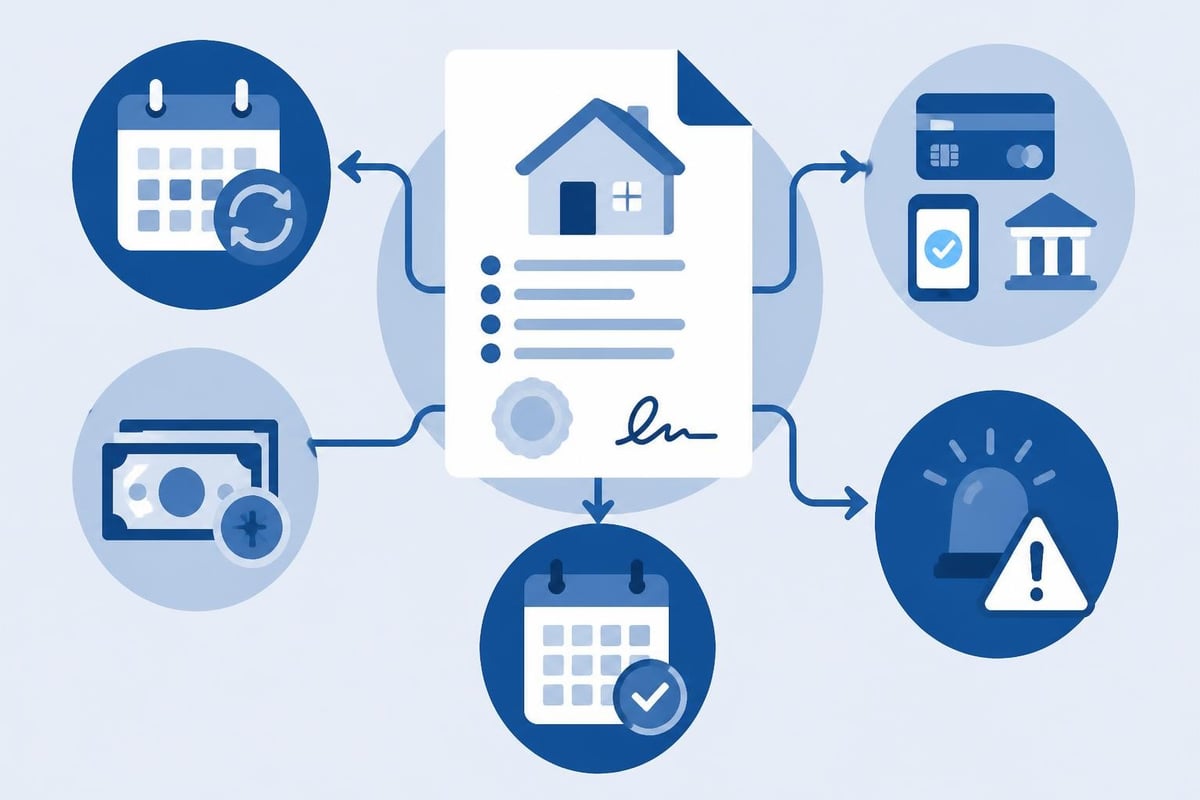
Many landlords find that maintaining a ledger for rent helps track payments accurately and provides documentation if disputes arise. Your contract should also reference the process for rent increases, which must comply with strict notice requirements.
Compliance and Statutory Requirements
The Healthy Homes standards introduced significant obligations for landlords regarding insulation, heating, ventilation, moisture control, drainage, and draught stopping. Your landlord tenancy contract should reference these standards and confirm that the property meets all requirements.
| Compliance Area | Requirement | Documentation |
|---|---|---|
| Insulation | Ceiling and underfloor | Compliance statement |
| Heating | Fixed heating in living room | Specification details |
| Ventilation | Openable windows, extraction fans | Installation dates |
| Moisture & Drainage | Efficient guttering, downpipes | Inspection records |
Beyond Healthy Homes, include clauses covering smoke alarms (tested within 60 days of tenancy start) and ensure your contract acknowledges the tenant's right to quiet enjoyment. For detailed requirements, landlords should verify current standards on tenancy.govt.nz, as regulations may be updated beyond 2026.
Maintenance and Repair Obligations
Clearly delineate who handles what maintenance in your landlord tenancy contract. Landlords must maintain the property in a reasonable state of repair, while tenants must keep it reasonably clean and notify landlords promptly of any damage.
Specify procedures for reporting maintenance issues, expected response times for different severity levels, and how emergency repairs will be handled. A well-drafted rental inspection checklist for landlords complements your contract by documenting property condition at the start and throughout the tenancy.
Bond and Security Provisions
The bond section of your landlord tenancy contract must state the exact amount (capped at four weeks' rent for unfurnished properties) and confirm it will be lodged with Tenancy Services within 23 working days. Include the bond lodgement reference number once processed.
Key bond-related clauses should cover:
- Confirmation of bond amount and payment date
- Commitment to lodge with Tenancy Services
- Process for bond refund at tenancy end
- Circumstances where bond claims may be made
- Dispute resolution through Tenancy Tribunal if required
Never hold bonds privately, as this violates the Residential Tenancies Act and can result in significant penalties. The National Landlord Tenant Authority offers resources about security deposit handling, though New Zealand's bond system operates differently from many international models.

Tenancy Duration and Termination Clauses
Your landlord tenancy contract must clearly identify whether it's a periodic or fixed-term tenancy. Fixed-term agreements specify an end date, while periodic tenancies continue until properly terminated by either party.
For fixed-term agreements, clarify what happens at the expiry date. Since December 2021, fixed-term tenancies automatically convert to periodic unless both parties agree to a new fixed term or the tenant provides notice to leave. Your contract should acknowledge this legislative requirement.
Notice Periods and Procedures
Detail the notice requirements for both parties. In 2026, landlords generally need 90 days' notice to terminate a periodic tenancy (with limited grounds such as landlord or family occupation, extensive renovations, or sale with vacant possession). Tenants require 28 days' notice for periodic tenancies.
The rent increase notice process similarly requires specific timing and formatting, with 60 days' notice and restrictions on frequency (maximum once per 12 months for market rent increases).
Special Conditions and Property-Specific Clauses
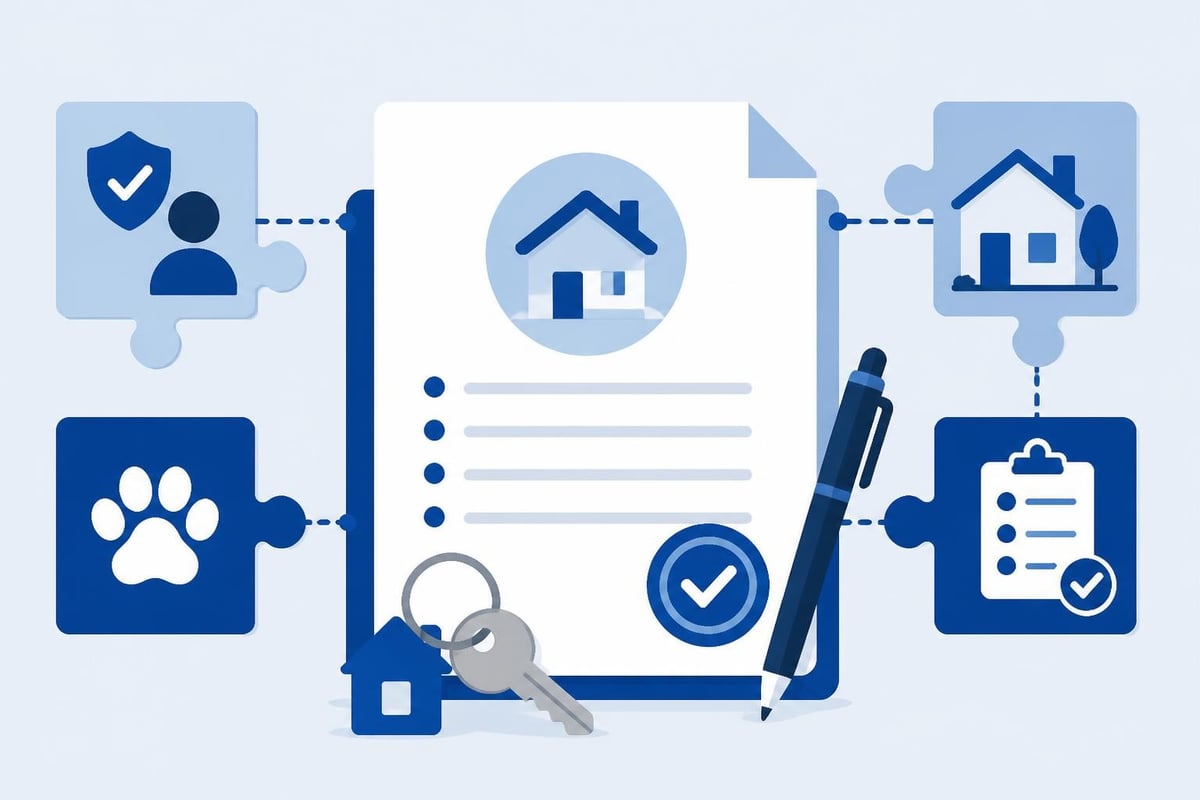
While standard sample tenancy agreements provide excellent templates, your landlord tenancy contract may require property-specific clauses. These might address pets (noting that unreasonable refusal of pets is prohibited), parking arrangements, garden maintenance responsibilities, or use of shared facilities.
Common additional clauses include:
- Pet ownership permissions and conditions
- Carpark allocation and visitor parking rules
- Rubbish and recycling procedures
- Water charges (if applicable and legally permitted)
Ensure any additional terms comply with the Residential Tenancies Act. According to Nolo's FAQ on leases and rental agreements, clarity in these provisions prevents misunderstandings, though New Zealand landlords must ensure terms don't contradict statutory rights.
Documentation and Record-Keeping
Maintaining thorough records of your landlord tenancy contract and all related documentation protects both parties. Keep copies of the signed agreement, property condition reports, bond lodgement confirmation, all notices served, and communications regarding maintenance or tenancy issues.
| Document Type | Retention Period | Purpose |
|---|---|---|
| Signed tenancy agreement | Duration + 1 year | Legal reference |
| Property condition report | Duration + 1 year | Damage assessment |
| Bond lodgement receipt | Until refund complete | Proof of compliance |
| Maintenance records | Duration + 3 years | Dispute evidence |
Digital storage systems make this easier, and AI-powered platforms can automate much of this record-keeping. For landlords managing properties without professional assistance, understanding the tenancy agreement model helps ensure nothing gets overlooked.
The Legal Information Institute's definition of rental agreements emphasises that proper documentation strengthens enforceability, a principle equally applicable under New Zealand's tenancy framework.
Regular Review and Updates
Your landlord tenancy contract isn't a set-and-forget document. Review it annually to ensure compliance with any legislative changes, update contact details if required, and assess whether the terms still reflect current property conditions and market standards.
When updating existing tenancies, remember that changes generally require tenant agreement unless they're correcting errors or ensuring legislative compliance. Significant variations might necessitate a new agreement rather than amendments to the existing contract.
Creating and maintaining a comprehensive landlord tenancy contract requires attention to legal requirements, clarity in communication, and meticulous documentation. While templates provide excellent starting points, each tenancy agreement should reflect your specific property and circumstances whilst maintaining full compliance with New Zealand law. For self-managing landlords seeking to streamline contract creation, compliance tracking, and ongoing tenancy administration, TenancyIQ offers AI-powered solutions that handle the complexity of tenancy management, from generating compliant agreements to tracking notice periods and maintaining accurate records without manual data entry.