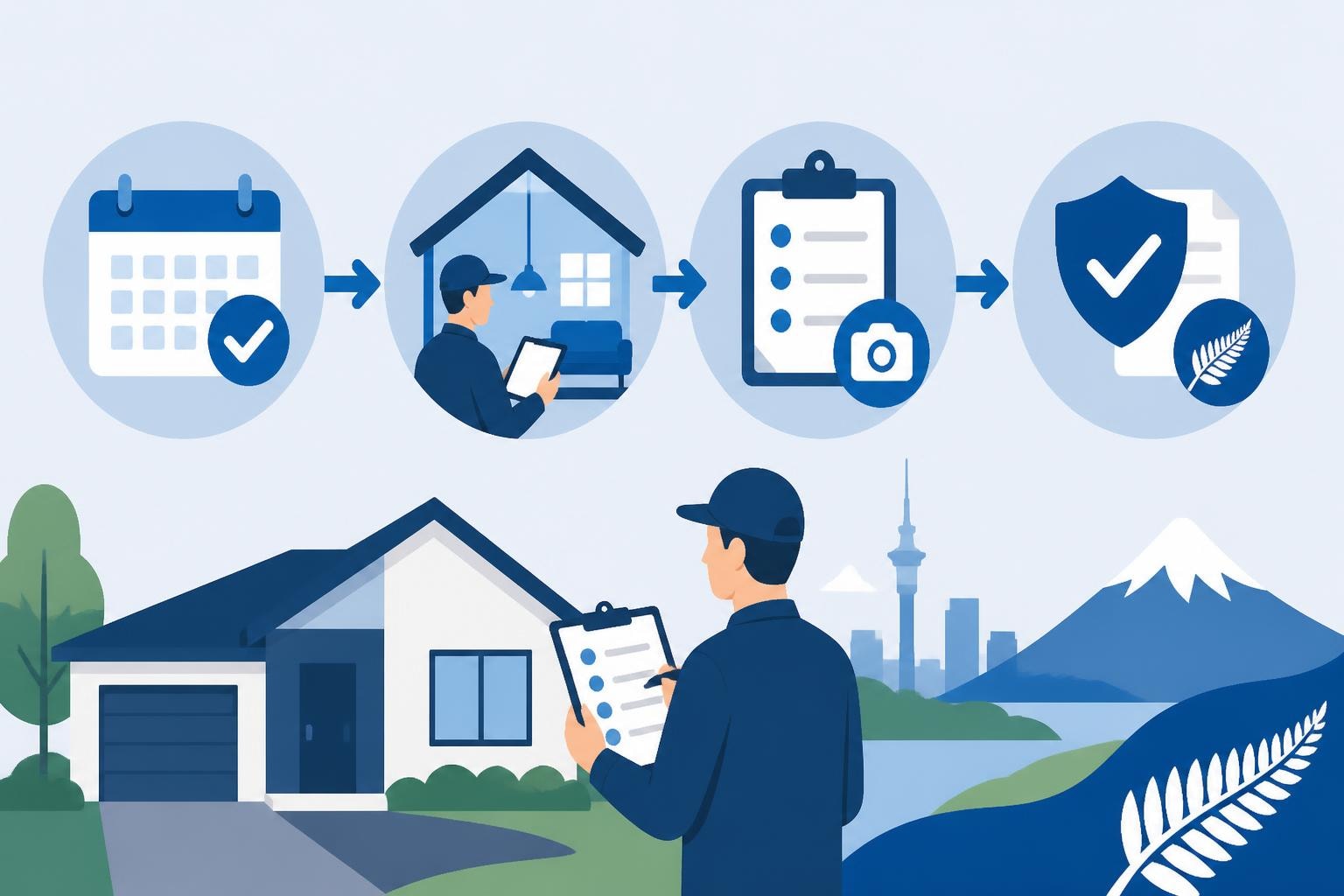
Managing a rental property in New Zealand requires diligence, attention to detail, and a thorough understanding of your responsibilities under the Residential Tenancies Act. One of the most crucial tasks for self-managing landlords is conducting regular property inspections. A well-executed rental inspection protects your investment, ensures tenant compliance, and helps maintain the property's condition throughout the tenancy. For landlords in 2026, understanding the inspection process and staying compliant with current regulations is more important than ever.
Understanding Your Inspection Rights and Obligations
New Zealand law allows landlords to conduct rental inspections, but strict rules govern when and how you can access your property. You must provide at least 24 hours' written notice before entering the premises, and inspections should occur during reasonable hours unless the tenant agrees otherwise.
The frequency of inspections varies, but most landlords conduct them quarterly. This regular schedule helps you:
- Identify maintenance issues before they become costly repairs
- Ensure tenants are meeting their obligations under the tenancy agreement
- Document the property's condition for future reference
- Verify compliance with Healthy Homes standards

Notice Requirements and Tenant Rights
Before conducting any rental inspection, you must provide proper notice to your tenants. The notice should specify the date, time, and purpose of the inspection. Failing to provide adequate notice can result in disputes and potential Tenancy Tribunal claims.
Key notice elements include:
- Date and time of proposed inspection
- Reason for the inspection (routine inspection, maintenance check, compliance review)
- Your contact details for any questions
- Reference to the tenancy agreement clause permitting inspections
Tenants have the right to be present during inspections, though it's not mandatory. Professional landlords recognise that maintaining positive tenant relationships often leads to better property care and longer tenancies.
Creating a Comprehensive Inspection Checklist
A thorough rental inspection requires systematic documentation of every area. Using a standardised inspection checklist ensures consistency and creates a reliable record over time.
Exterior Areas and Grounds
Start your inspection outside, examining the property's exterior condition. Document the state of gardens, driveways, fences, and external structures. Note any damage, overgrown vegetation, or rubbish accumulation.
| Area | Check Points | Common Issues |
|---|---|---|
| Gardens | Lawn condition, weed control, garden beds | Overgrowth, dead plants |
| Driveways | Surface condition, oil stains | Cracks, deterioration |
| Fences | Structural integrity, paint condition | Rot, loose palings |
| Gutters | Clear of debris, secure fixtures | Blockages, sagging |
Interior Rooms and Living Spaces
Moving inside, assess each room systematically. According to comprehensive rental inspection guidance, documenting wall condition, flooring, fixtures, and overall cleanliness is essential.
Pay particular attention to:
- Wall and ceiling condition: marks, holes, water damage, mould
- Floor coverings: stains, damage, wear patterns
- Windows and doors: operation, locks, seals, condensation
- Light fixtures: functionality, damage, missing globes
Kitchen and Bathroom Evaluation
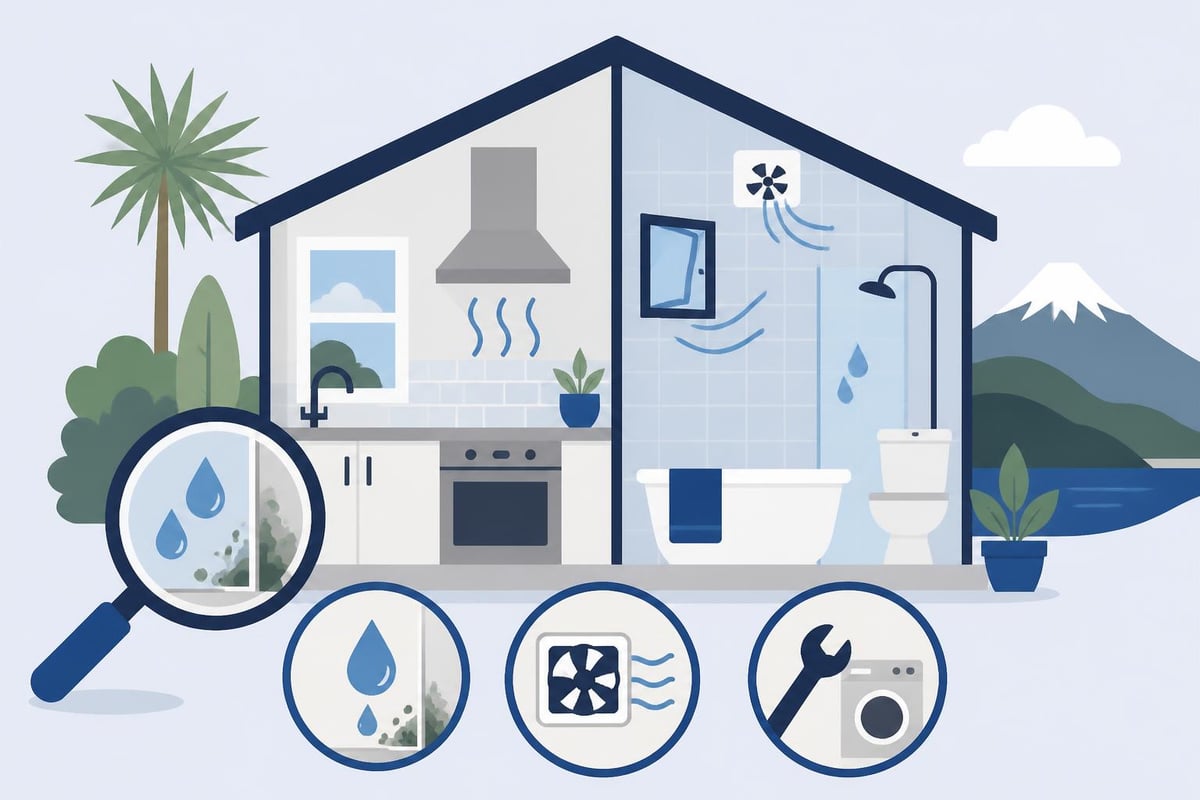
These high-use areas require special attention during every rental inspection. Water damage, mould, and appliance maintenance are common concerns that can escalate quickly if unaddressed.
Kitchen elements to inspect include bench surfaces, cupboards, oven and stove condition, rangehood operation, and plumbing under the sink. In bathrooms, check for mould growth, grout condition, toilet operation, shower pressure, and ventilation effectiveness.
Documentation and Photographic Evidence
Professional documentation transforms a routine rental inspection into a valuable legal and maintenance tool. Take dated photographs of every room, capturing both overall condition and specific concerns. Expert inspection tips emphasise the importance of consistent photographic records.
Modern landlords increasingly use digital tools to streamline this process. Rather than managing paper forms and loose photographs, AI-powered platforms can automatically organise inspection data, track issues over time, and generate professional reports.
Creating Effective Inspection Reports
Your inspection report should be clear, objective, and factual. Avoid emotional language or accusations. Instead, describe what you observe using neutral terms.
Report structure:
- Property address and inspection date
- Tenant names and tenancy start date
- Room-by-room findings
- Maintenance items requiring attention
- Compliance matters (smoke alarms, insulation, heating)
- Follow-up actions and timeframes
Addressing Issues Discovered During Inspections
When your rental inspection reveals problems, respond promptly and professionally. Minor issues like scuff marks or small stains are typically considered fair wear and tear. Significant damage, cleanliness problems, or lease violations require appropriate action.
For maintenance issues that are the landlord's responsibility, arrange repairs quickly. This demonstrates professionalism and helps prevent deterioration. When tenant-caused damage occurs, document it thoroughly and discuss remedies with the tenant.
Serious or ongoing issues may require a notice to remedy, giving tenants 14 days to address specific problems. Understanding notice periods and compliance requirements ensures you handle these situations correctly.
Compliance Verification
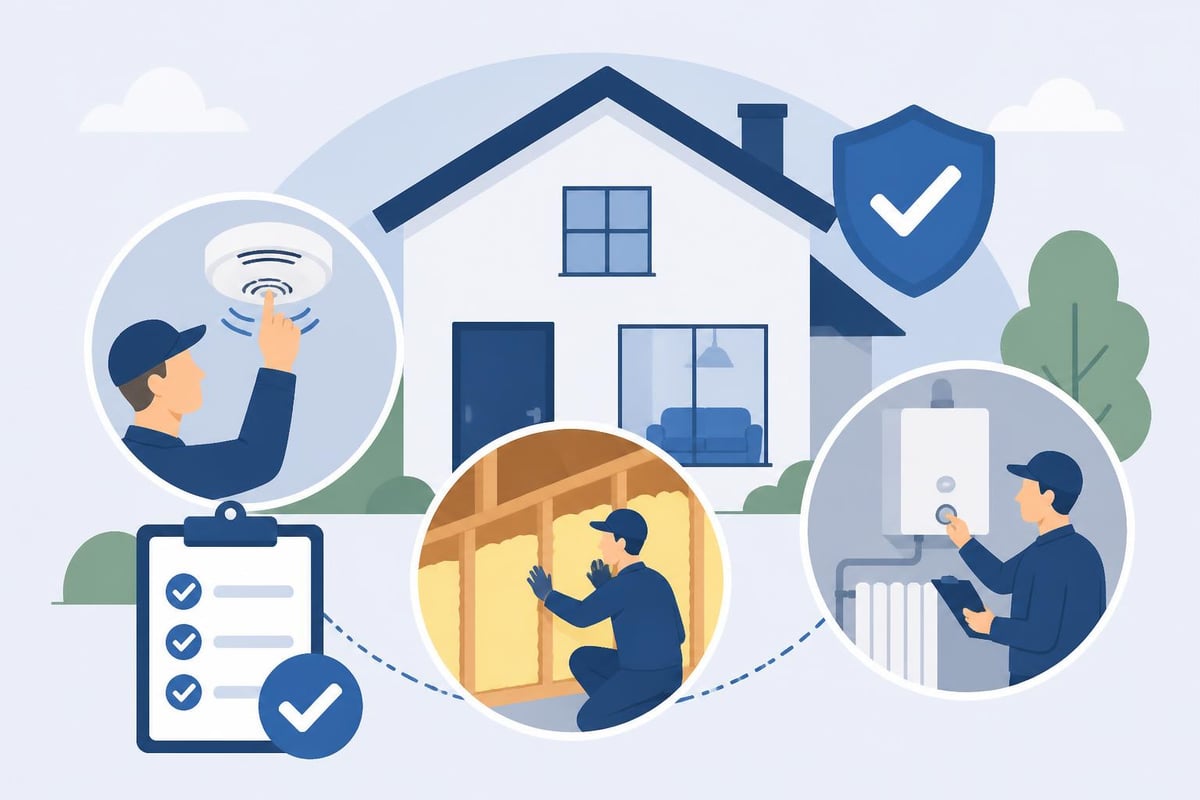
Every rental inspection should verify ongoing compliance with New Zealand's rental property standards. In 2026, this includes confirming that smoke alarms are operational, insulation meets requirements, and heating sources are adequate and functional.
Check the City of Boston's inspection approach for systematic compliance verification methods that can be adapted to New Zealand's regulatory framework, though always verify current MBIE requirements for authoritative guidance.
Technology and Inspection Efficiency
Manual inspection processes consume significant time and create opportunities for oversight. Digital solutions now enable self-managing landlords to conduct more thorough inspections in less time while maintaining better records.
Modern tenancy management platforms automate notice generation, store inspection histories with searchable photographs, and flag compliance requirements based on property-specific timelines. This systematic approach reduces administrative burden while improving documentation quality.
For landlords managing multiple properties, consistency across inspections becomes particularly valuable. Templates, automated reminders, and centralised record-keeping ensure no property falls through the cracks.
Regular rental inspections form the foundation of successful property management, protecting both your investment and tenant relationships. By conducting systematic inspections, maintaining thorough documentation, and addressing issues promptly, you create a professional tenancy management approach that benefits everyone involved. For self-managing landlords seeking to streamline the inspection process while ensuring compliance with New Zealand's tenancy regulations, TenancyIQ offers AI-powered tools designed specifically for the unique requirements of the New Zealand rental market, handling everything from inspection scheduling to compliance tracking without manual data entry.