
A tenancy inspection represents one of the most crucial touchpoints between landlords and tenants throughout the rental relationship. For self-managing landlords in New Zealand, conducting proper inspections protects your property investment whilst maintaining positive tenant relationships and ensuring compliance with the Residential Tenancies Act 1986. Understanding the legal requirements, documentation standards, and best practices for inspections has become increasingly important as regulations evolve and tenant rights strengthen in 2026.
Types of Tenancy Inspections in New Zealand
The rental lifecycle involves several distinct inspection types, each serving specific purposes and governed by different notice requirements.
Move-In Condition Inspection
The initial property inspection occurs when tenants take possession. This critical assessment documents the property's condition before occupancy begins, establishing a baseline for comparison at tenancy end. Move-in condition inspections protect both parties by creating an objective record of existing damage, wear, and property state.
Key elements to document include:
- Wall and ceiling condition, including paint quality and marks
- Flooring state, noting scratches, stains, or damage
- Fixtures and fittings functionality
- Gardens, lawns, and outdoor areas
- Appliance condition and operation
- Window and door integrity
Photographs and detailed notes strengthen your inspection report significantly. The TenancyIQ inspection checklist provides comprehensive guidance for systematic property assessment.
Routine Inspections During Tenancy
Periodic inspections allow landlords to monitor property maintenance, identify repair needs early, and verify tenants are meeting their obligations. Routine inspections must follow specific protocols, particularly regarding notice periods and frequency limitations.
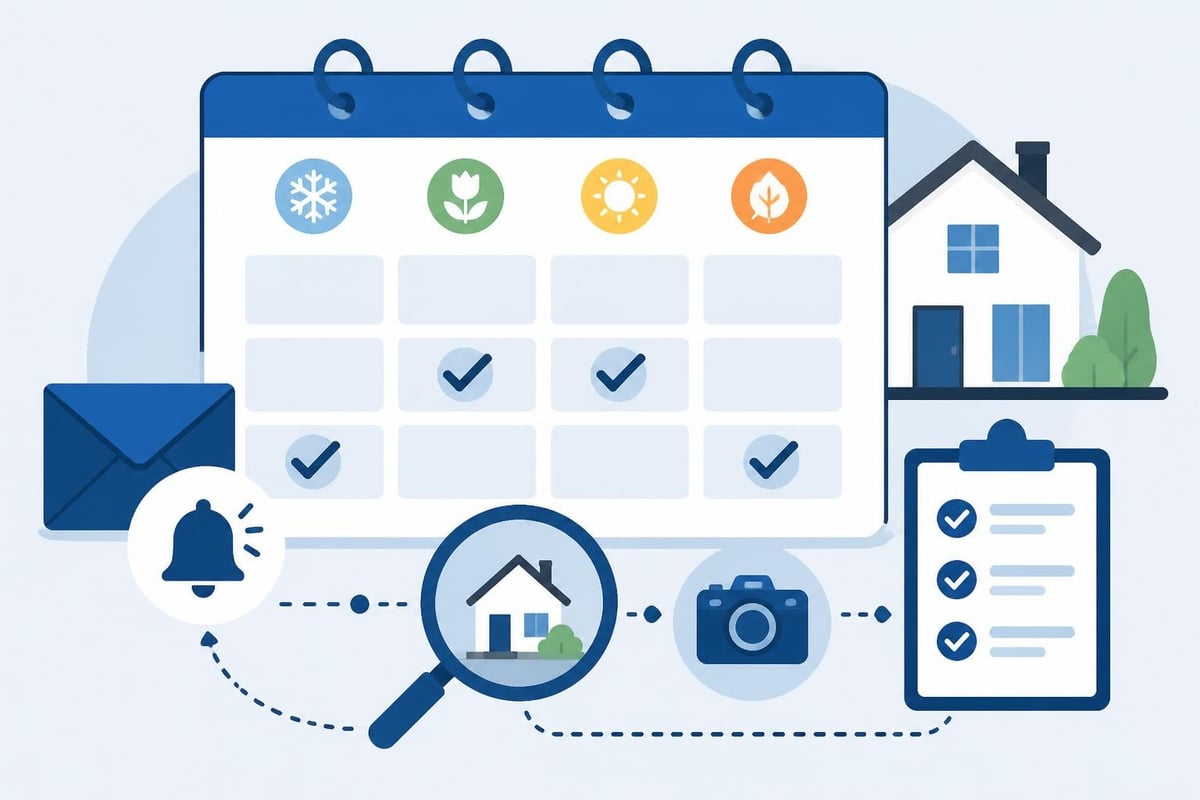
New Zealand law permits routine inspections with reasonable notice-typically 48 hours minimum. Best practice suggests quarterly inspections strike the right balance between property oversight and tenant privacy.
| Inspection Type | Notice Required | Maximum Frequency | Primary Purpose |
|---|---|---|---|
| Routine | 48 hours minimum | Quarterly recommended | Maintenance monitoring |
| Maintenance-related | 24 hours | As needed | Specific repairs |
| Emergency | None | When necessary | Safety hazards |
| Final | 48 hours | Once at tenancy end | Bond assessment |
Legal Requirements and Notice Obligations
Understanding rental property inspection types and rights ensures your inspections remain compliant with current legislation. The Residential Tenancies Act mandates specific procedures that landlords must follow.
Proper notice must specify the inspection date, time range (typically a two-hour window), and purpose. Written notice delivered via acceptable methods-email, post, or hand delivery-creates verifiable documentation. Tenants retain the right to be present during inspections, though their attendance isn't mandatory.
Notice delivery methods ranked by reliability:
- Email with read receipt
- Registered post
- Hand delivery with acknowledgment
- Standard post (least verifiable)
The TenancyIQ compliance tools automate notice generation and tracking, reducing administrative burden whilst maintaining legal standards.
Documentation and Record-Keeping Standards
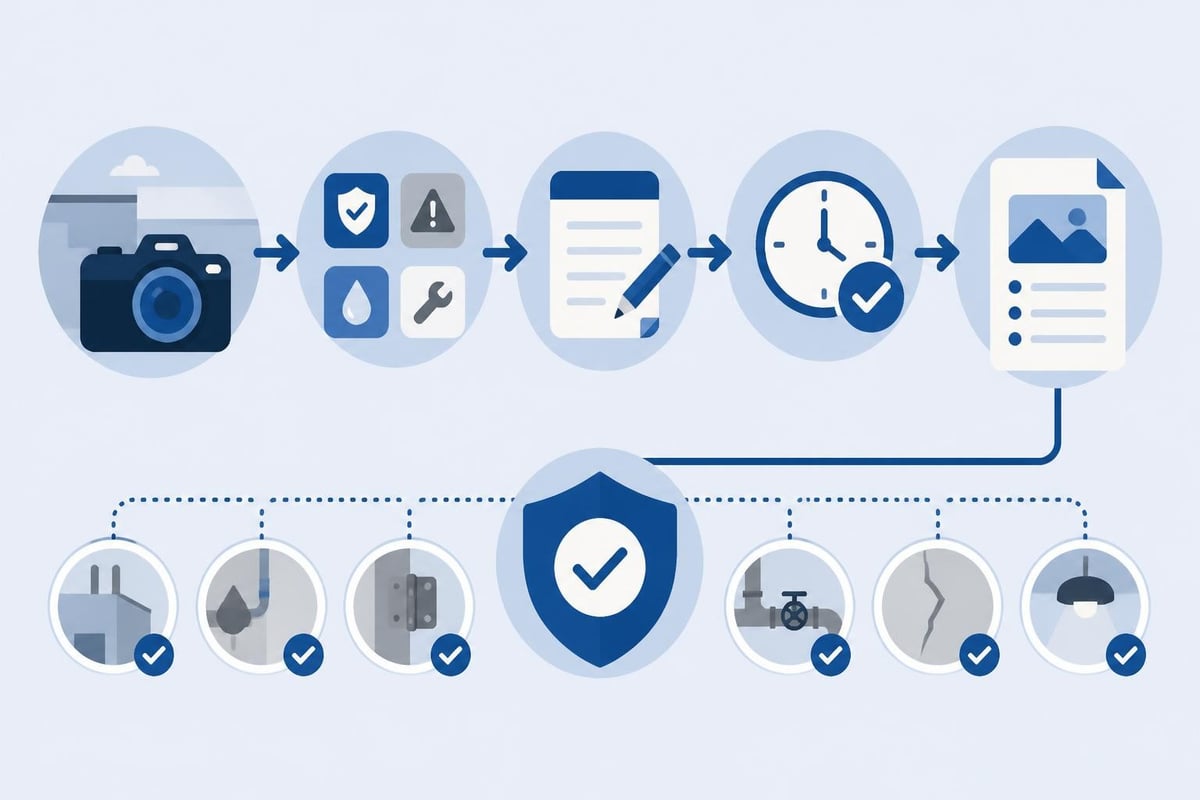
Thorough documentation transforms inspections from routine tasks into valuable legal protection. Every tenancy inspection should generate comprehensive records including dated photographs, detailed written observations, and condition ratings for each room and feature.
Digital vs Paper Records
Modern landlords increasingly adopt digital documentation for superior organisation and accessibility. Digital records offer searchable databases, cloud backup, automatic timestamps, and easy sharing with tenants or tribunals.
Consider maintaining:
- Photo libraries organised by date and room
- Spreadsheet tracking of inspection dates and findings
- PDF reports shared with tenants post-inspection
- Maintenance request logs linked to inspection discoveries
Managing Inspection Findings and Follow-Up
Identifying issues during inspections only provides value when coupled with appropriate action. Categorise findings by urgency: immediate safety hazards, required maintenance, tenant responsibility items, and long-term improvement opportunities.
Communication following inspections strengthens landlord-tenant relationships. Share inspection reports within seven days, highlighting any concerns requiring tenant attention. For maintenance items that are your responsibility, provide timelines for completion.
When tenant-caused damage appears, understanding notice to remedy procedures becomes essential. Document the issue thoroughly, compare against move-in records, and issue appropriate notices if the tenant must rectify problems.
Creating Action Plans from Inspection Data
Transform inspection findings into prioritised maintenance schedules:
- Immediate actions - Safety hazards addressed within 24 hours
- Urgent repairs - Habitability issues resolved within one week
- Standard maintenance - General repairs completed within one month
- Preventative work - Long-term improvements scheduled appropriately
Exit Inspections and Bond Considerations
The final tenancy inspection carries significant weight for bond return decisions. Condition inspections conducted properly at tenancy end compare current property state against move-in documentation.
Schedule exit inspections after tenants vacate but before new occupants arrive. This timing allows accurate assessment without furniture obstruction whilst maintaining clear responsibility boundaries. Both parties should attend when possible, fostering transparent dialogue about condition discrepancies.
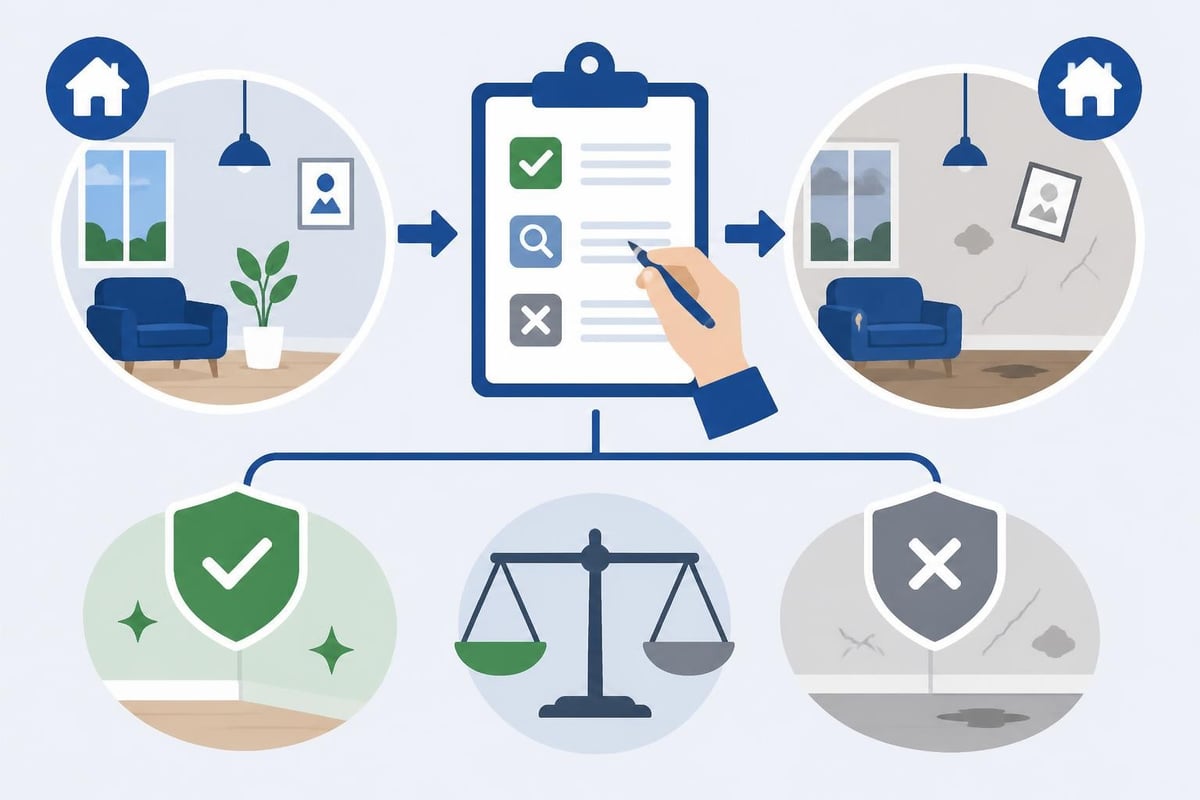
Fair wear and tear recognition remains critical. Paint fading, carpet compression in traffic areas, and minor scuff marks typically don't justify bond deductions after reasonable tenancy periods. Damage requiring bond claims includes broken fixtures, large stains, holes beyond picture hooks, and uncleaned premises.
Detailed resources on bond lodgement procedures help landlords navigate the administrative requirements surrounding security deposits.
Technology and Inspection Efficiency
Modern property management increasingly leverages technology for inspection processes. Mobile applications enable on-site photo capture with automatic GPS tagging and timestamps. Cloud storage ensures secure backup whilst facilitating instant tenant access to reports.
AI-powered platforms can flag maintenance patterns, predict repair needs based on historical data, and generate compliance reminders. For self-managing landlords juggling multiple responsibilities, automation reduces missed inspections and incomplete documentation.
Standardised templates and checklists maintain consistency across properties and inspection dates. The comprehensive rental inspection checklist covers essential assessment areas systematically.
Effective tenancy inspections protect property investments whilst fostering positive landlord-tenant relationships through transparency and professionalism. By understanding legal requirements, maintaining thorough documentation, and leveraging modern tools, self-managing landlords can streamline inspection processes significantly. TenancyIQ simplifies inspection management through AI-powered scheduling, automated compliance tracking, and comprehensive documentation tools designed specifically for New Zealand landlords who want efficient, legally compliant property oversight without manual administrative burden.