
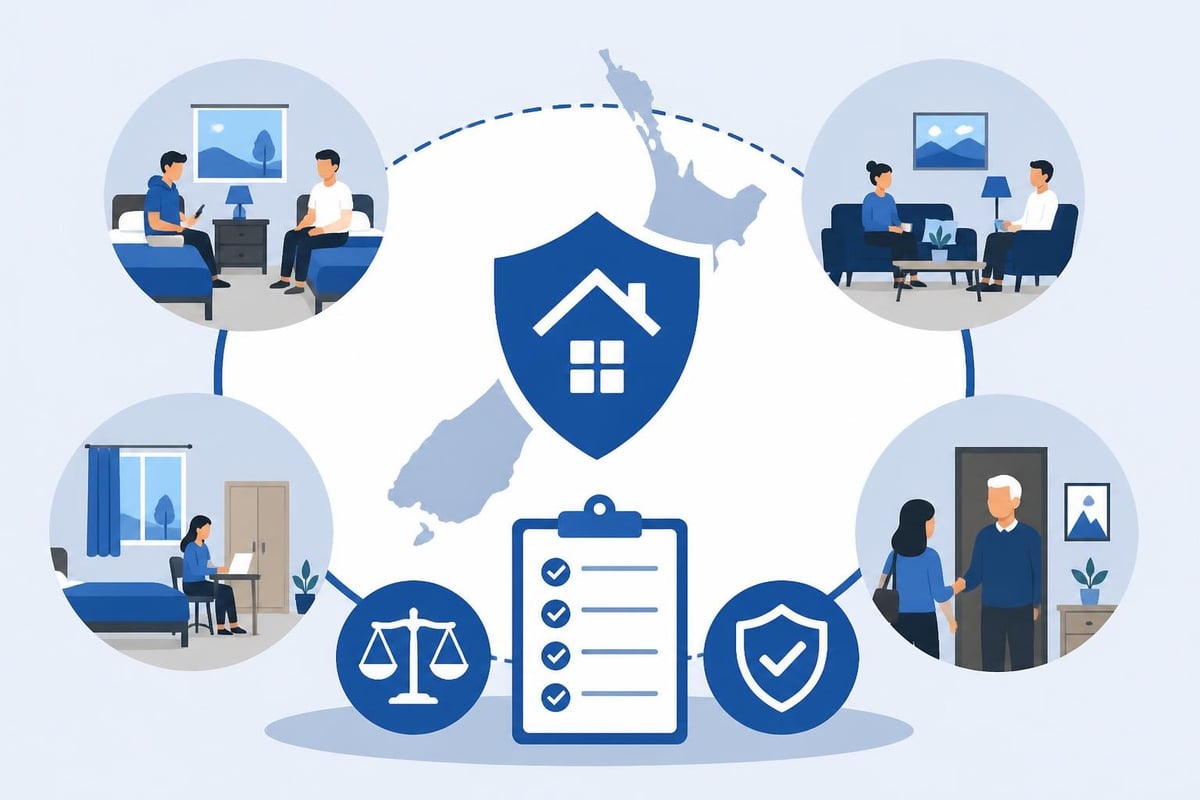
Room rental agreements forms serve as crucial legal documents when renting out individual rooms in shared accommodation, whether you're a homeowner taking in boarders or managing multiple tenants in a larger property. These specialised agreements differ from standard residential tenancy agreements and require careful attention to detail, particularly in New Zealand where the Residential Tenancies Act 1986 governs most rental arrangements. Understanding how to create and implement effective room rental agreements forms protects both landlords and tenants whilst ensuring compliance with current legislation.
Understanding Room Rental Agreements in New Zealand
Room rental agreements forms establish the legal relationship between a landlord and tenant when only part of a property is being rented. In New Zealand, these arrangements can fall under different legal frameworks depending on the specific circumstances.
Key distinctions include:
- Boarding arrangements where the landlord lives on-site and shares common areas
- Flatmate situations where one tenant sublets to another
- Multiple individual tenancies within a single dwelling
- Lodger arrangements with shared facilities
The legal status of your arrangement significantly impacts which compliance requirements apply. Boarding situations where landlords share facilities typically fall outside the Residential Tenancies Act, whilst separate room rentals with exclusive use may be covered. This distinction matters enormously for your obligations around bonds, notice periods, and dispute resolution.
Essential Elements of Room Rental Agreements Forms
Effective room rental agreements forms must contain specific information to create enforceable contracts and prevent disputes. According to guidance from rental agreement experts, clarity around expectations protects all parties involved.
Financial Terms and Conditions
Your agreement should specify:
- Weekly or fortnightly rent amount in New Zealand dollars
- Payment method and due date (bank transfer details, payment schedule)
- Bond amount if applicable (noting Tenancy Services requirements)
- How utilities and expenses are divided (electricity, internet, water)
- Any additional fees for parking, storage, or amenities
| Financial Element | What to Include | Example |
|---|---|---|
| Rent | Exact amount, frequency | $250 per week, due Mondays |
| Bond | Amount, lodgement process | 2 weeks rent, lodged with Tenancy Services |
| Utilities | Split method, responsibility | Equal share of power and internet bills |
| Other costs | Any additional charges | $20 weekly for parking space |
Property Access and Usage Rights
Room rental agreements forms must clearly define which areas tenants can access and use. This prevents misunderstandings about shared spaces, storage, and facilities.
Specify exclusive use areas (the bedroom itself) versus shared spaces (kitchen, bathroom, lounge). Include details about storage allocation, parking rights, and any restricted areas. Understanding these boundaries helps maintain household harmony and provides legal clarity if disputes arise.
House Rules and Behavioural Expectations
Professional room rental agreements forms incorporate clear house rules that govern day-to-day living arrangements. These provisions help prevent conflicts before they start.
Common house rules cover:
- Quiet hours and noise restrictions
- Guest and visitor policies (overnight stays, frequency limits)
- Smoking and alcohol consumption
- Pet ownership and care responsibilities
- Cleaning rosters for shared areas
- Kitchen and bathroom usage expectations
For self-managing landlords in New Zealand, documenting these expectations within your formal agreement provides recourse if issues develop. The Tenancy Tribunal considers written agreements when resolving disputes, making comprehensive documentation essential.

Maintenance and Responsibility Clauses
Room rental agreements forms should allocate maintenance responsibilities between landlords and tenants. This clarity prevents disputes about who handles repairs, upkeep, and damage.
Landlord Obligations
Even in boarding situations, landlords typically maintain responsibility for structural repairs, plumbing, electrical systems, and ensuring the property meets Healthy Homes standards. Document your commitment to maintaining safe, habitable conditions and specify response timeframes for different types of repairs.
Tenant Responsibilities
Tenants generally handle day-to-day cleanliness, minor maintenance within their room, and reporting damage promptly. Your agreement should specify how tenants must report maintenance issues and their obligations to prevent damage through reasonable care.
Duration, Notice Periods, and Termination
The temporal aspects of room rental agreements forms require particular attention in New Zealand's regulatory environment. Different arrangements attract different notice requirements.
For fixed-term agreements, specify the exact start and end dates. For periodic arrangements, clarify the notice period required from both parties. According to New Zealand tenancy law, standard residential tenancies require specific notice periods, but boarding arrangements may differ.
| Agreement Type | Typical Notice Period | Key Consideration |
|---|---|---|
| Fixed-term (under RTA) | 21 days minimum at end of term | Fixed-term requirements apply |
| Periodic (under RTA) | 28 days for tenant, 90 days for landlord | Standard RTA notice rules |
| Boarding arrangement | As agreed (commonly 2 weeks) | Not governed by RTA |
Templates and Digital Solutions
Modern landlords increasingly use digital platforms to manage room rental agreements forms efficiently. Professional templates provide starting points, but customisation for New Zealand law remains essential.
Several resources offer room rental agreements forms:
- University housing offices provide basic templates for shared accommodation
- Legal information sites like Nolo explain essential terms to include
- Property management platforms offer comprehensive templates with built-in compliance
When using templates, always verify they align with current New Zealand legislation. The residential tenancy landscape evolves regularly, with changes to bond requirements, notice periods, and compliance obligations. A template from 2024 may not reflect 2026 requirements.
Record Keeping and Documentation
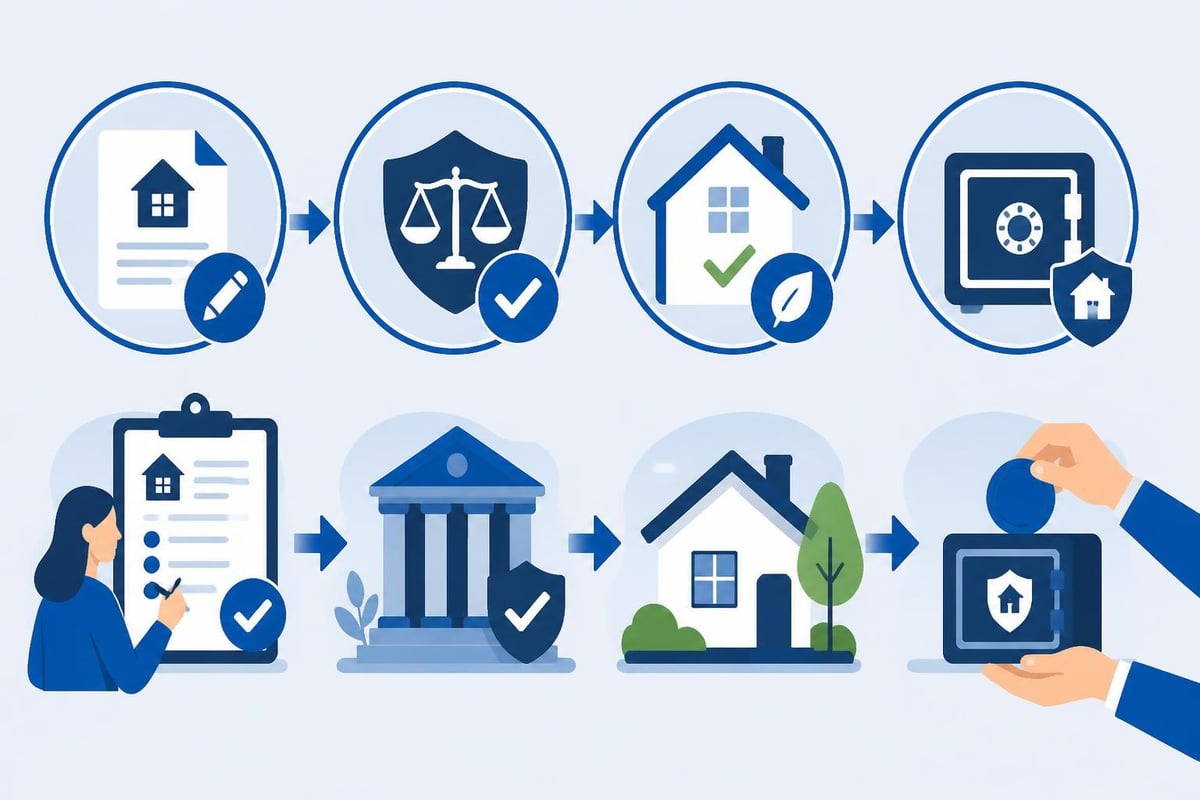
Effective use of room rental agreements forms extends beyond initial signing. Maintaining comprehensive records protects landlords when questions arise about terms, payments, or compliance.
Keep digital and physical copies of signed agreements, correspondence about changes, records of bond lodgement, and documentation of any variations to original terms. Modern property management solutions automate much of this record-keeping, reducing administrative burden whilst ensuring nothing falls through the cracks.
Managing Multiple Room Rentals
Landlords renting multiple rooms face additional complexity managing various agreements, different start dates, and individual tenant circumstances. Consistency across your room rental agreements forms whilst allowing for specific variations requires systematic organisation.
Create a master template that covers all standard clauses, then customise for individual circumstances. Track renewal dates, rent increase timelines, and maintenance obligations for each room separately. Digital platforms designed for New Zealand landlords streamline this complexity through centralised dashboards and automated reminders.
Room rental agreements forms provide essential legal protection and clarity for both landlords and tenants in shared accommodation arrangements throughout New Zealand. Whether you're renting a single room or managing multiple tenants, comprehensive documentation prevents disputes and ensures compliance with applicable legislation. For self-managing landlords seeking to streamline their tenancy management whilst maintaining proper records and compliance, TenancyIQ offers AI-powered solutions that handle agreements, notices, and expense tracking without manual data entry, letting you focus on providing quality accommodation rather than paperwork.