
A signed rental agreement forms the foundation of every successful tenancy relationship in New Zealand. Whether you're a seasoned landlord or just starting with your first investment property, understanding the legal significance and proper execution of these documents is essential for protecting your interests and maintaining compliance with New Zealand tenancy law. For self-managing landlords, getting this right from the start prevents disputes and establishes clear expectations with tenants.
Legal Requirements for Rental Agreements in New Zealand
New Zealand law requires that every tenancy creates a binding agreement, whether written or oral. However, a written signed rental agreement provides crucial evidence of the terms both parties agreed to and offers protection when disputes arise.
Under the Residential Tenancies Act 1986, landlords must provide tenants with written tenancy agreements before or when the tenancy begins. This document becomes legally enforceable once both parties sign it.
Essential Components
Every rental agreement in New Zealand must include specific information:
- Full names of all landlords and tenants
- Property address and details
- Tenancy start date and term (fixed or periodic)
- Rent amount and payment frequency
- Bond amount lodged with Tenancy Services
- Method for reviewing rent increases
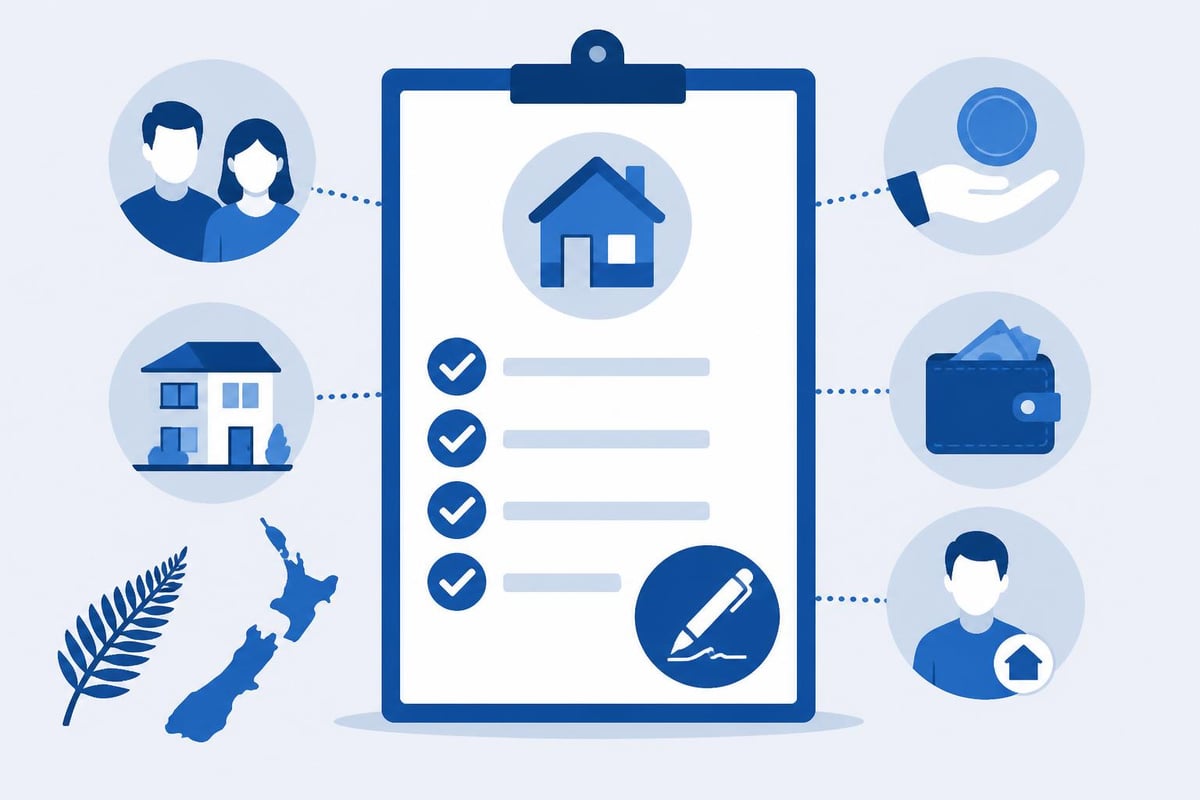
Missing any of these elements can create complications if you need to enforce the agreement through the Tenancy Tribunal. Self-managing landlords benefit from using standardised forms that ensure all required fields are completed correctly, which is where compliance-focused tools become valuable.
The Signing Process and Legal Implications
The act of signing transforms a draft document into a binding contract. Both landlords and tenants should receive copies of the signed rental agreement, with each party retaining their version for the duration of the tenancy and beyond.
When drafting your agreement, consider whether you're establishing a fixed term or periodic tenancy. This decision affects termination rights and notice periods throughout the tenancy.
| Agreement Type | Notice Period | Flexibility | Best For |
|---|---|---|---|
| Fixed-term | 21-90 days at end of term | Lower | Stable, long-term tenancies |
| Periodic | 90 days from landlord | Higher | Month-to-month arrangements |
Various jurisdictions recognise that unsigned or undelivered agreements may still be valid if the tenant takes possession and the landlord accepts rent. However, New Zealand landlords should never rely on this principle. Always obtain signatures before the tenant moves in to avoid ambiguity about agreed terms.
Common Clauses and Prohibited Terms
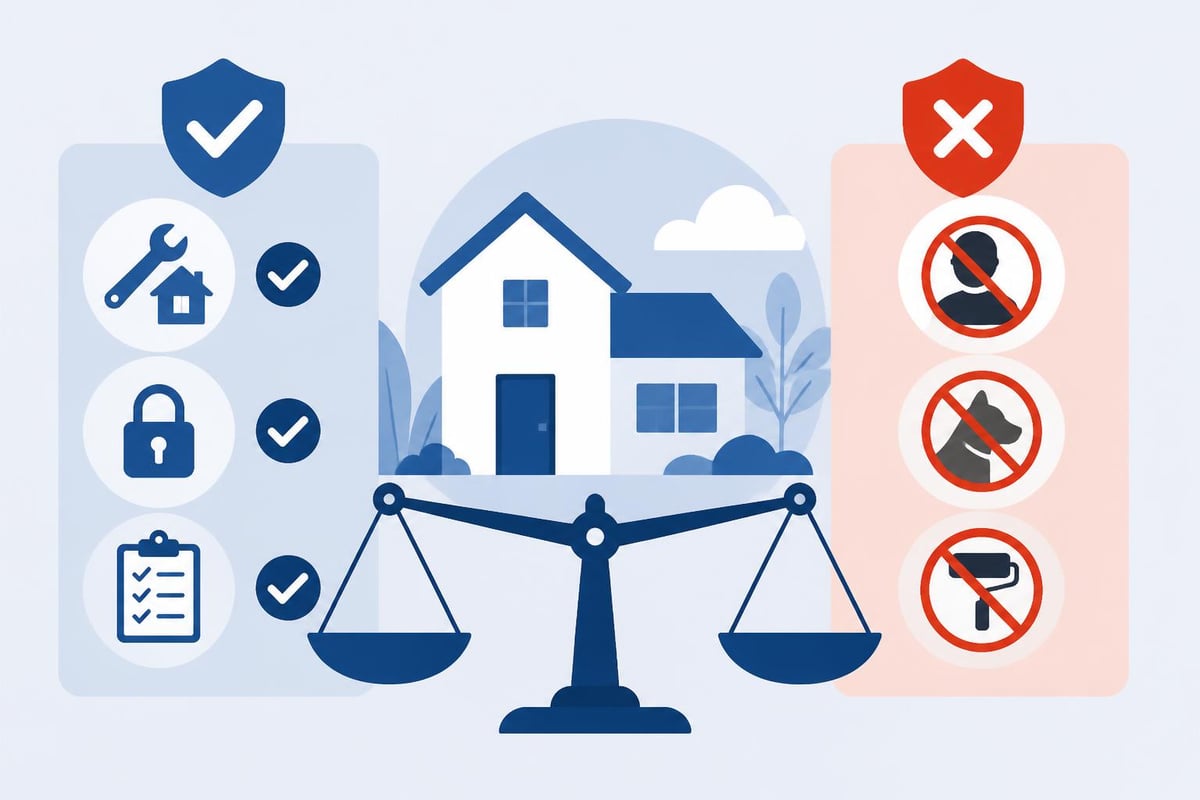
A well-drafted signed rental agreement addresses foreseeable scenarios while respecting tenant rights. New Zealand law prohibits certain clauses that attempt to contract out of the Residential Tenancies Act.
Permitted Clauses
Your agreement can specify reasonable requirements around:
- Maintenance responsibilities (consistent with landlord obligations)
- Permitted property uses
- Pet policies (must be reasonable)
- Subletting restrictions
- Garden and outdoor area care
Prohibited Provisions
Some clauses landlords might consider including are actually unlawful. You cannot include terms that attempt to:
- Waive the tenant's rights under the RTA
- Require tenants to pay landlord's legal costs
- Charge excessive fees beyond bond and rent
- Impose unfair penalties for minor breaches
Understanding rental agreement regulations helps landlords avoid including unenforceable terms that could be struck down by the Tenancy Tribunal.
Managing Variations and Amendments
Circumstances change during tenancies, requiring modifications to the original signed rental agreement. Any variation must be documented in writing and signed by both parties to be enforceable.
Common amendments include rent increases, adding or removing tenants, or updating property maintenance responsibilities. When implementing rent increase rules in NZ, you must provide proper notice and document the change formally.
Amendment Best Practices
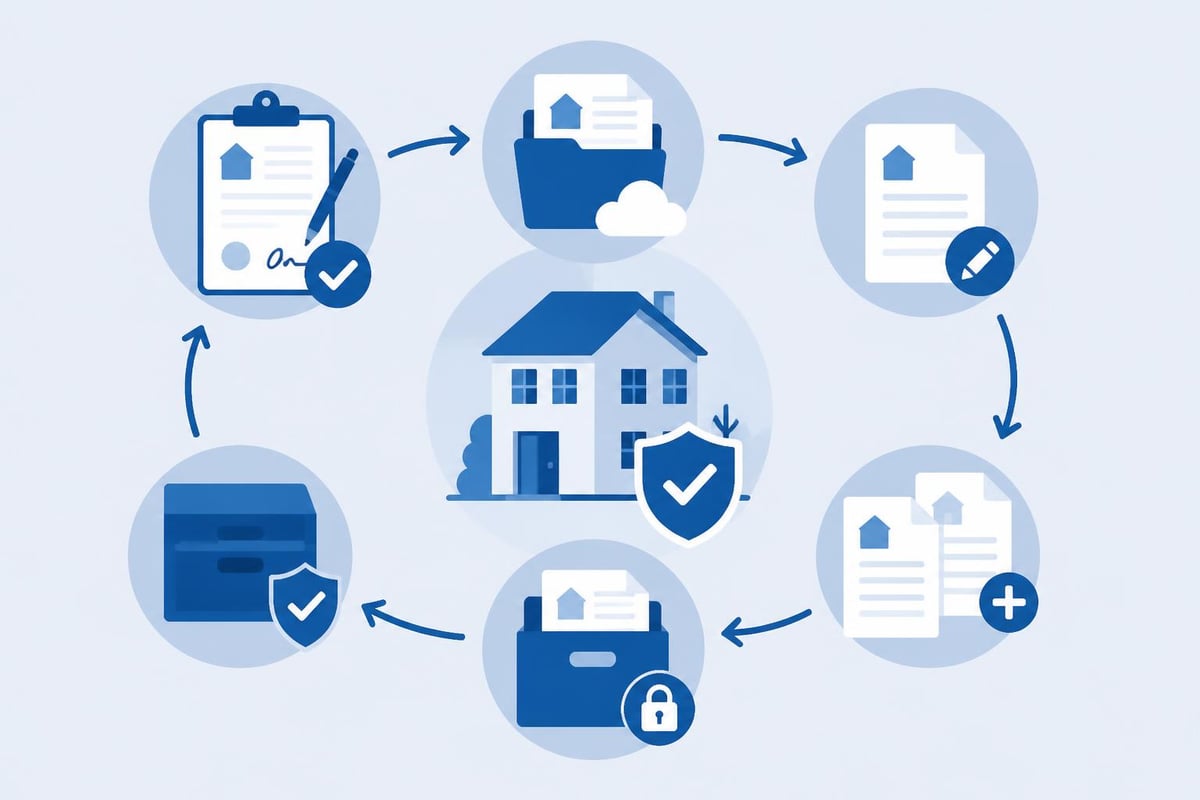
Document everything. Create a written addendum that references the original agreement, specifies the changes, and includes the effective date. Both parties sign the addendum, which becomes part of the tenancy record.
Maintain chronological files. Keep the original signed rental agreement alongside all amendments in date order. This creates a clear audit trail if you need to verify what was agreed at any point during the tenancy.
Communicate clearly. Before requesting signatures on amendments, discuss changes with your tenant and ensure they understand the implications. This reduces disputes and maintains positive landlord-tenant relationships.
Record Keeping and Access Requirements
New Zealand landlords must retain tenancy records, including the signed rental agreement, for at least 12 months after the tenancy ends. Best practice suggests keeping them for at least four years to cover potential tax audits or delayed disputes.
Tenants have the right to obtain copies of their lease agreement at any time during the tenancy. Refusing to provide copies when requested can lead to Tenancy Tribunal claims.
Digital vs Physical Documents
| Storage Method | Advantages | Considerations |
|---|---|---|
| Physical copies | Tangible, traditional | Risk of loss, damage, or misplacement |
| Digital files | Searchable, backed up, accessible | Requires secure storage and backups |
| Hybrid approach | Best of both worlds | Ensures redundancy |
Self-managing landlords increasingly adopt digital solutions for storing signed rental agreements and related tenancy documentation. Cloud-based platforms offer secure storage with automatic backups, ensuring you can access critical documents whenever needed.
Integration with Broader Tenancy Management
A signed rental agreement doesn't exist in isolation. It connects to numerous other tenancy obligations including bond lodgement, property inspections, maintenance requests, and compliance with Healthy Homes standards.
Modern landlords manage these interconnected requirements through systematic approaches rather than treating each obligation separately. The rental agreement references many of these responsibilities, making it the central document around which other processes revolve.
For instance, your agreement should specify the notice periods applicable to your tenancy type, but you'll need separate systems to track when notices are served and ensure you meet legal timeframes. Similarly, while the agreement may mention maintenance obligations, you need processes to log and action repair requests promptly.
Compliance Tracking
Self-managing landlords face dozens of compliance requirements throughout a tenancy. Your signed rental agreement establishes the framework, but ongoing management requires:
- Regular property inspections using comprehensive checklists
- Timely processing of maintenance requests
- Accurate rent payment tracking
- Bond handling according to statutory requirements
- Notice management for tenancy changes
Platforms offering AI-powered tenancy management features can automate reminders for these recurring obligations, reducing the administrative burden on landlords while ensuring nothing falls through the cracks.
A properly executed signed rental agreement protects both landlords and tenants by establishing clear, enforceable terms from day one. By understanding New Zealand's legal requirements and maintaining systematic documentation practices, self-managing landlords can avoid common pitfalls and build successful tenancy relationships. TenancyIQ streamlines this entire process through AI-powered automation that handles compliance tracking, document management, and notice generation, allowing you to focus on property ownership rather than administrative tasks.