
Finding a reliable sample tenancy agreement NZ template is one of the first steps for self-managing landlords starting a new tenancy. A properly structured tenancy agreement protects both parties, ensures legal compliance, and establishes clear expectations from day one. With New Zealand's residential tenancy laws requiring specific clauses and information, understanding what makes a valid agreement is essential for avoiding disputes and potential Tenancy Tribunal claims.
What Makes a Valid Tenancy Agreement in New Zealand
Under the Residential Tenancies Act 1986, all tenancy agreements must be in writing and signed by both the landlord and tenant. This legal requirement ensures both parties have a clear record of their obligations and rights throughout the tenancy period.
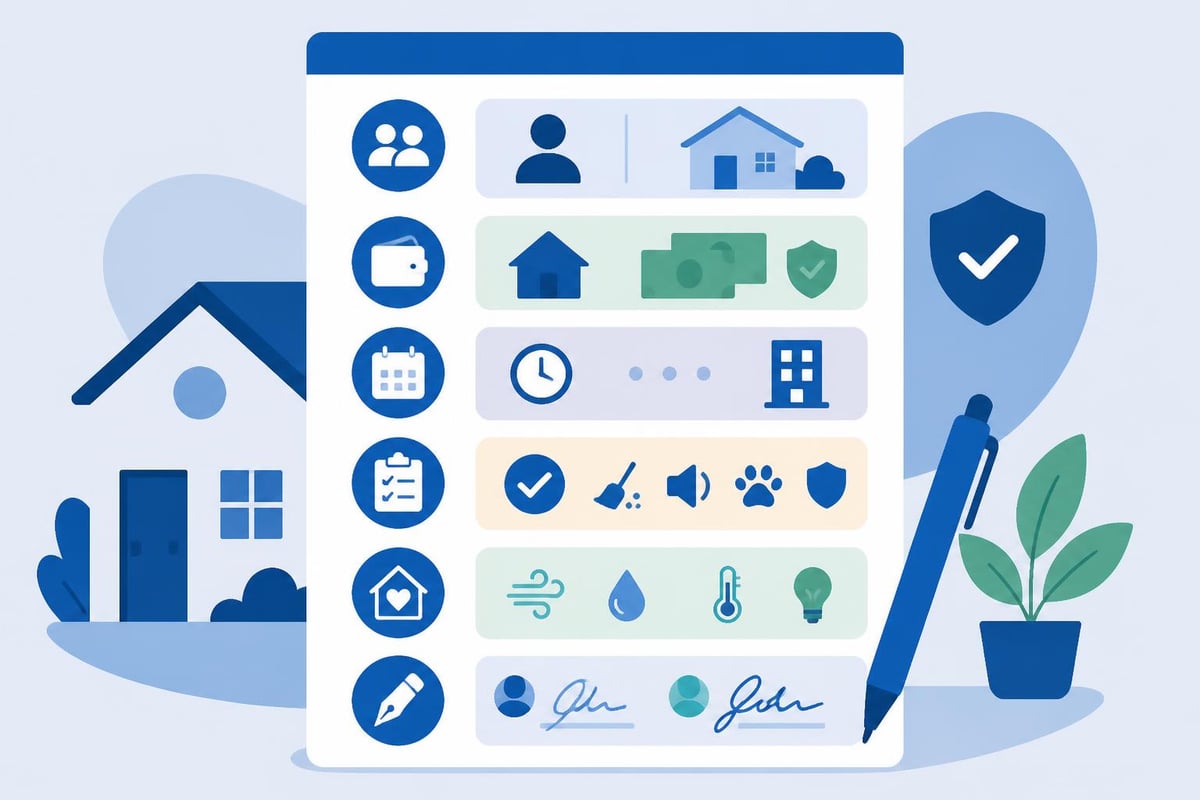
Every valid sample tenancy agreement NZ landlords use must include:
- Full names and contact details of all landlords and tenants
- Complete property address including unit number if applicable
- Weekly or fortnightly rent amount and payment method
- Bond amount (capped at four weeks' rent maximum)
- Tenancy commencement date and type (fixed-term or periodic)
- Signatures and dates from all parties
The mandatory contents specified in the Act are non-negotiable. Failing to include required information can create enforcement issues later, particularly around rent increases or ending the tenancy.
Where to Source Official Templates
Tenancy Services provides comprehensive templates that comply with current legislation. These free resources are regularly updated to reflect law changes, making them the safest starting point for self-managing landlords.
When searching for a sample tenancy agreement NZ resource, prioritise official government sources over generic templates. This ensures compliance with the latest Healthy Homes standards and other regulatory requirements introduced in recent years.
Key Clauses Every Agreement Must Cover
Beyond basic details, your sample tenancy agreement NZ document needs specific clauses addressing tenant and landlord responsibilities. These clauses prevent misunderstandings and establish accountability.
| Clause Category | Essential Elements | Common Issues |
|---|---|---|
| Rent payment | Amount, frequency, method, due date | Unclear payment dates |
| Bond | Amount, lodgement timeframe | Delayed bond lodgement |
| Maintenance | Landlord vs tenant responsibilities | Disputed repair costs |
| Healthy Homes | Compliance statement and standards met | Missing compliance dates |
| Termination | Notice periods for both parties | Incorrect notice periods |
Understanding bond lodgement requirements is particularly critical. Landlords have 23 working days to lodge the bond with Tenancy Services after receiving it, and this timeline must be clearly documented.
Healthy Homes Standards Integration
Since 2021, all rental properties must meet Healthy Homes standards. Your tenancy agreement should include an Insulation Statement and confirmation that the property meets heating, ventilation, moisture, draught stopping, and drainage requirements.
The Healthy Homes compliance checklist helps landlords verify their property meets these standards before signing any agreement. This compliance protects tenants and shields landlords from penalties of up to $4,000.
Fixed-Term Versus Periodic Agreements
When reviewing any sample tenancy agreement NZ landlords use, one critical decision is choosing between fixed-term and periodic tenancies. This choice affects flexibility, security, and termination processes.
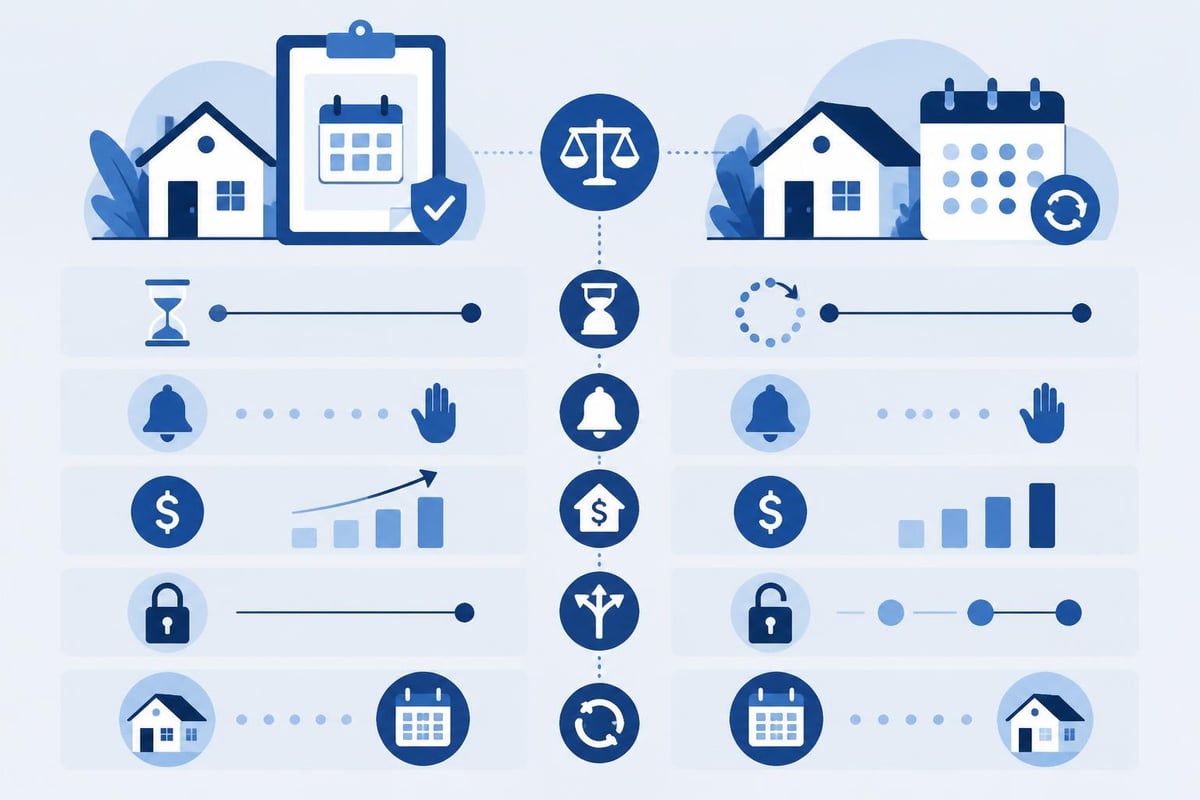
Fixed-term tenancies:
- Specify an exact end date (commonly 6 or 12 months)
- Provide stability for both parties
- Automatically convert to periodic unless renewed or terminated
- Require specific grounds for early termination
Periodic tenancies:
- Continue indefinitely until either party gives notice
- Offer maximum flexibility for landlords and tenants
- Subject to standard notice periods (90 days for landlords, 28 days for tenants)
- Easier to adjust to changing circumstances
The differences between fixed-term and periodic tenancies have significant implications for property management strategies. Many self-managing landlords prefer periodic arrangements after an initial fixed term to maintain flexibility.
Special Conditions and Additional Clauses
While standard templates cover mandatory requirements, landlords often need to add property-specific conditions. These might address pets, smoking, garden maintenance, or parking arrangements.
When customising your sample tenancy agreement NZ template, ensure additional clauses don't contradict the Residential Tenancies Act. For example, you cannot include "no children" clauses or unreasonable restrictions that breach tenant rights.
Common Additional Clauses
Professional property management often includes clauses about chattels (appliances and furnishings), utility responsibilities, and property access for inspections. Each addition should be clear, reasonable, and enforceable.
The Tenant Support Group's tenancy agreement guide provides helpful context on what constitutes fair and legal additional terms. This resource helps landlords avoid unenforceable clauses that could weaken their agreement.
Managing Agreement Updates and Variations
Tenancy agreements aren't static documents. Rent increases, additional occupants, or property modifications may require formal variations throughout the tenancy.
Any changes to the original sample tenancy agreement NZ landlords and tenants signed must be documented in writing and signed by both parties. Verbal agreements hold little weight in disputes.
Understanding rent increase rules ensures you follow proper procedures. Landlords must provide 60 days' written notice and can only increase rent once every 12 months for periodic tenancies.
Digital Documentation and Storage
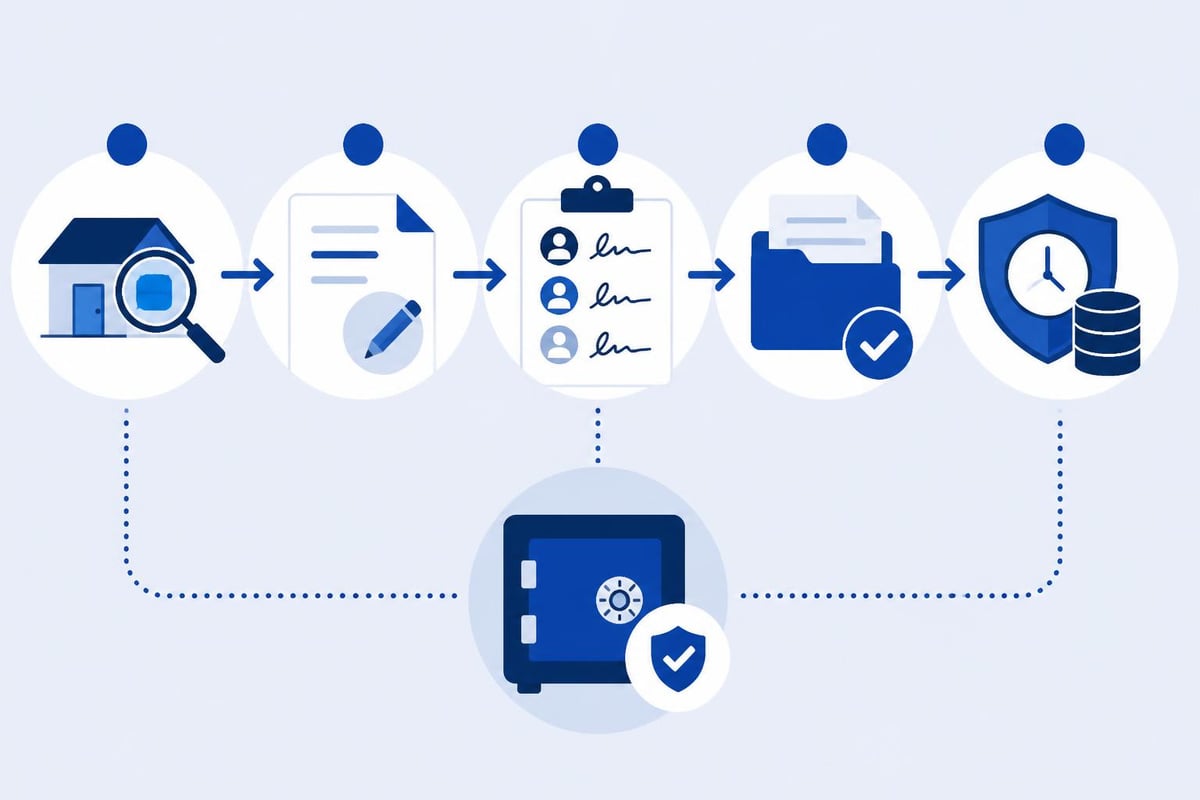
Modern landlords benefit from digital tenancy management systems that store agreements securely and track variations automatically. These platforms reduce administrative burden while maintaining compliance with record-keeping requirements.
TenancyIQ's features include automated document generation and storage, ensuring every agreement includes current legal requirements without manual checking. This AI-powered approach particularly benefits self-managing landlords handling multiple properties.
Common Mistakes When Using Agreement Templates
Even with a comprehensive sample tenancy agreement NZ template, landlords make preventable errors that create compliance issues or disputes.
Frequent mistakes include:
- Using outdated templates that don't reflect current legislation
- Failing to complete all mandatory fields before signing
- Not providing tenants with a signed copy within 14 days
- Including illegal or unenforceable clauses
- Missing Healthy Homes compliance statements
When drafting agreements, verify you're using the most current template version. The TenancyIQ guides section provides up-to-date information on tenancy compliance requirements as they evolve.
Record-Keeping Best Practices
Maintaining organised records of all tenancy agreements, variations, and related correspondence protects landlords in disputes. The Tenancy Tribunal frequently requests these documents, and inability to produce them weakens your position significantly.
Digital systems automatically timestamp documents and maintain version histories, creating reliable audit trails. This documentation proves invaluable when addressing notice to remedy situations or bond disputes.
Professional Review and Legal Considerations
While standard templates suit most situations, complex properties or unique circumstances may warrant professional review. Property lawyers can assess whether custom clauses protect your interests while remaining legally compliant.
For straightforward residential tenancies, official templates combined with thorough understanding of the Residential Tenancies Act generally suffice. The key is ensuring you comprehend every clause before presenting the agreement to prospective tenants.
Resources like Kāinga Ora's tenancy agreement guide and LINZ's renting information offer additional perspectives on creating effective agreements that protect both parties.
Creating a compliant sample tenancy agreement NZ landlords can rely on requires understanding legal requirements, sourcing current templates, and customising appropriately for your property. Self-managing landlords juggling compliance, documentation, and tenant communications benefit from systems that automate these processes while ensuring nothing falls through the cracks. TenancyIQ streamlines agreement generation, tracks compliance deadlines, and manages all tenancy documentation through AI-powered automation, letting you focus on maintaining quality rental properties rather than wrestling with paperwork.