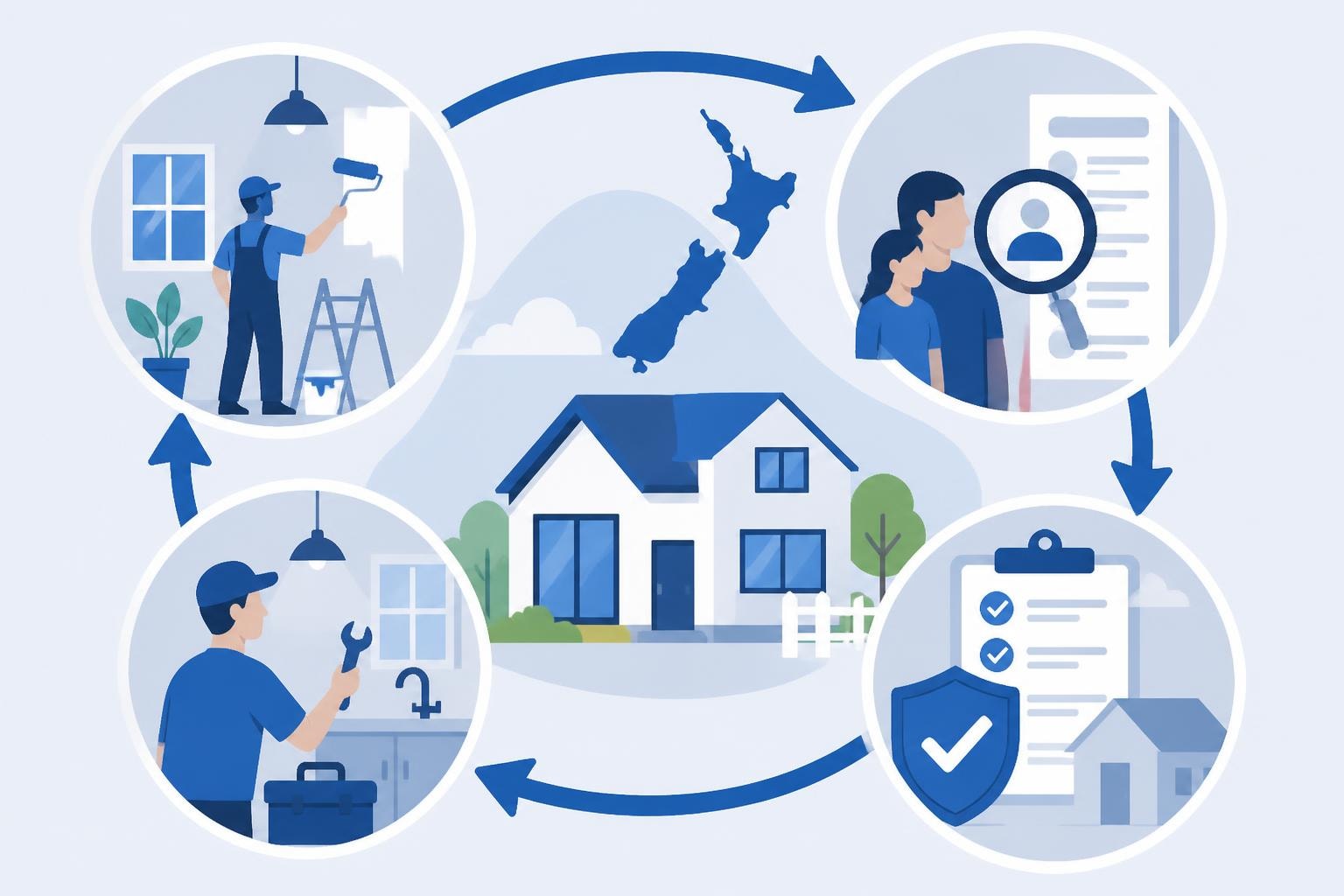
Managing rented places has evolved dramatically in New Zealand, with landlords now juggling complex compliance requirements, tenant expectations, and administrative demands. Whether you're overseeing a single rental property or multiple tenancies, understanding the intricacies of rented places in 2026 requires both practical knowledge and the right tools. This guide explores the essential aspects of managing rented places efficiently while maintaining compliance with New Zealand's tenancy regulations.
Understanding the Landscape of Rented Places in New Zealand
The rental market across New Zealand has transformed significantly, with stricter regulations and higher tenant expectations reshaping how landlords approach property management. Rented places must now meet comprehensive Healthy Homes standards, including heating, insulation, ventilation, moisture ingress, and drainage requirements.
Self-managing landlords face particular challenges when overseeing rented places. The administrative burden includes:
- Tracking compliance deadlines across multiple properties
- Managing bonds through digital lodgement systems
- Documenting routine inspections and maintenance
- Processing rent increases within legal timeframes
- Handling notices and tribunal requirements
Modern landlords increasingly recognise that checking out landlord responsibilities extends beyond property maintenance to encompass comprehensive record-keeping and tenant communication.
Compliance Requirements for Rented Places
Compliance management represents one of the most critical aspects of operating rented places in New Zealand. The Ministry of Business, Innovation and Employment (MBIE) enforces strict standards that landlords must meet, with significant penalties for non-compliance.
Healthy Homes Standards
Every rented place must meet specific standards before new tenancies commence and within 90 days for existing tenancies when the regulations took effect. The Healthy Homes checklist covers essential requirements that landlords must verify and document.
| Standard | Requirement | Documentation |
|---|---|---|
| Heating | Fixed heater in living room meeting capacity standards | Compliance statement |
| Insulation | Ceiling and underfloor insulation where practical | Installation receipts |
| Ventilation | Openable windows and extraction fans | Inspection records |
| Moisture | No signs of dampness or mould | Regular assessments |
| Drainage | Guttering and downpipes functional | Maintenance logs |
Bond Management
Understanding bond lodgement requirements is essential for all rented places. The transition to digital bonds through Tenancy Services has streamlined processes, though landlords must still maintain accurate records of bond transactions and property condition reports.
Tenant Selection and Screening
Protecting your rented places starts with thorough tenant screening. While New Zealand's Privacy Act limits what information landlords can request, conducting appropriate due diligence remains crucial.
Effective screening includes:
- Verifying employment and income stability
- Checking tenancy references from previous landlords
- Conducting credit checks with consent
- Reviewing rental history documentation
- Confirming identity through appropriate documentation
Landlords should remain vigilant about rental scams, which can target both property owners and prospective tenants. Legitimate processes protect all parties involved in rented places transactions.
Managing Rent and Financial Records
Proper financial management distinguishes successful landlords from those who struggle with their rented places. Maintaining a comprehensive ledger for rent ensures accuracy for tax purposes and provides clear documentation should disputes arise.
Rent Increases
Implementing rent increases for rented places requires careful attention to New Zealand's regulations. Landlords can only increase rent once every 12 months, and must provide the correct notice period. The rent increase rules specify that 60 days' written notice is mandatory for periodic tenancies.
When preparing a rent increase notice, landlords should ensure the document includes all required information and complies with current legislation. Market research helps justify increases whilst maintaining tenant relationships.

Inspection and Maintenance Protocols
Regular inspections keep rented places in optimal condition whilst demonstrating landlord diligence. A thorough rental inspection checklist covers interior and exterior elements, safety features, and compliance items.
Quarterly inspections should assess:
- Overall property condition and cleanliness
- Smoke alarm and safety equipment functionality
- Early signs of maintenance issues
- Garden and exterior upkeep
- Tenant compliance with tenancy agreements
Documentation from these inspections proves invaluable when addressing maintenance requests or resolving disputes through the Tenancy Tribunal.
Notices and Legal Documentation
Managing rented places requires familiarity with various notices and legal documents. Understanding notice periods in New Zealand prevents costly mistakes when ending tenancies or addressing breaches.
Notice to Remedy
When tenants breach agreement terms, landlords issue a notice to remedy. This formal document outlines the breach, specifies required remedial action, and establishes timeframes for compliance. Proper documentation supports landlords if matters escalate to tribunal proceedings.
Fixed-Term Versus Periodic Tenancies
The choice between fixed-term and periodic tenancies significantly impacts how landlords manage rented places. Fixed-term agreements provide certainty over a defined period, whilst periodic tenancies offer flexibility with ongoing month-to-month arrangements.
| Aspect | Fixed-Term | Periodic |
|---|---|---|
| Duration | Specified end date | Ongoing until notice |
| Notice to end | 90 days if ending at term | 90 days landlord, 28 days tenant |
| Rent increases | Not during term | Once per 12 months |
| Flexibility | Lower | Higher |
Technology Solutions for Rented Places
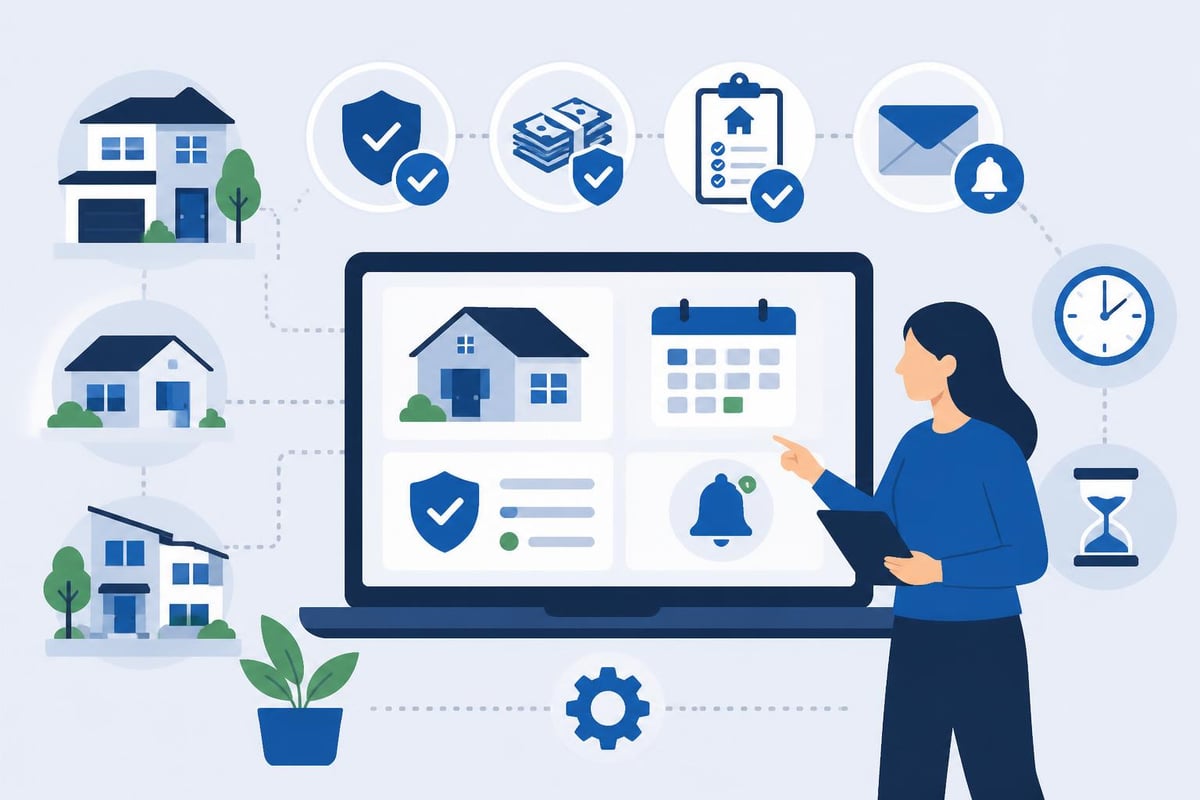
Modern landlords increasingly adopt technology to streamline management of their rented places. Digital platforms handle compliance tracking, automated notices, expense categorisation, and tenant communication through centralised dashboards.

The features available through specialised tenancy management platforms reduce administrative burden whilst improving accuracy. Automated reminders ensure landlords never miss critical compliance deadlines or inspection schedules.
Research shows that rental market data collection benefits from diverse, reliable sources. Landlords managing rented places can leverage technology to track market trends, justify rent levels, and make informed decisions about their portfolios.
Record-Keeping Best Practices
Comprehensive records protect landlords and ensure smooth operation of rented places. Essential documentation includes:
- Tenancy agreements and amendments
- Bond lodgement confirmations
- Inspection reports with photographs
- Maintenance requests and completion records
- All correspondence with tenants
- Compliance certificates and statements
- Financial transactions and receipts
Digital storage systems with backup protocols safeguard critical information whilst making retrieval straightforward when needed for tax returns or tribunal proceedings.
Managing rented places in New Zealand demands attention to compliance, systematic processes, and efficient record-keeping. Self-managing landlords benefit from platforms that automate routine tasks whilst ensuring regulatory requirements are consistently met. TenancyIQ simplifies tenancy management through AI-powered solutions designed specifically for New Zealand landlords, handling compliance tracking, notice generation, and expense management so you can focus on maintaining quality properties and positive tenant relationships.