
Navigating the end of a tenancy agreement doesn't have to mean starting from scratch. A rental renewal agreement provides both landlords and tenants with the opportunity to continue a successful tenancy relationship under updated or unchanged terms. For self-managing landlords in New Zealand, understanding how rental renewals work within the Residential Tenancies Act framework is essential for maintaining compliance while protecting your investment.
Understanding Rental Renewal Agreements in New Zealand
A rental renewal agreement is the formal process by which a landlord and tenant agree to extend their tenancy relationship beyond the original agreement's expiry date. In New Zealand, the mechanics differ significantly depending on whether you're working with a fixed-term or periodic tenancy.
When a fixed-term tenancy reaches its end date, it automatically converts to a periodic (month-to-month) tenancy unless either party gives notice to terminate or both parties agree to sign a new fixed-term agreement. This automatic conversion is a key distinction from other jurisdictions and affects how you approach renewals.
Fixed-Term vs Periodic Renewals
The difference between fixed-term and periodic tenancies shapes your renewal strategy:
Fixed-term renewal considerations:
- Requires a new written agreement signed by both parties
- Cannot include penalties for not renewing
- Must comply with current Healthy Homes Standards
- Allows for rent increases with proper notice
Periodic tenancy features:
- No new agreement required
- Continues under existing terms
- Greater flexibility for both parties
- Rent increases require proper notice procedures
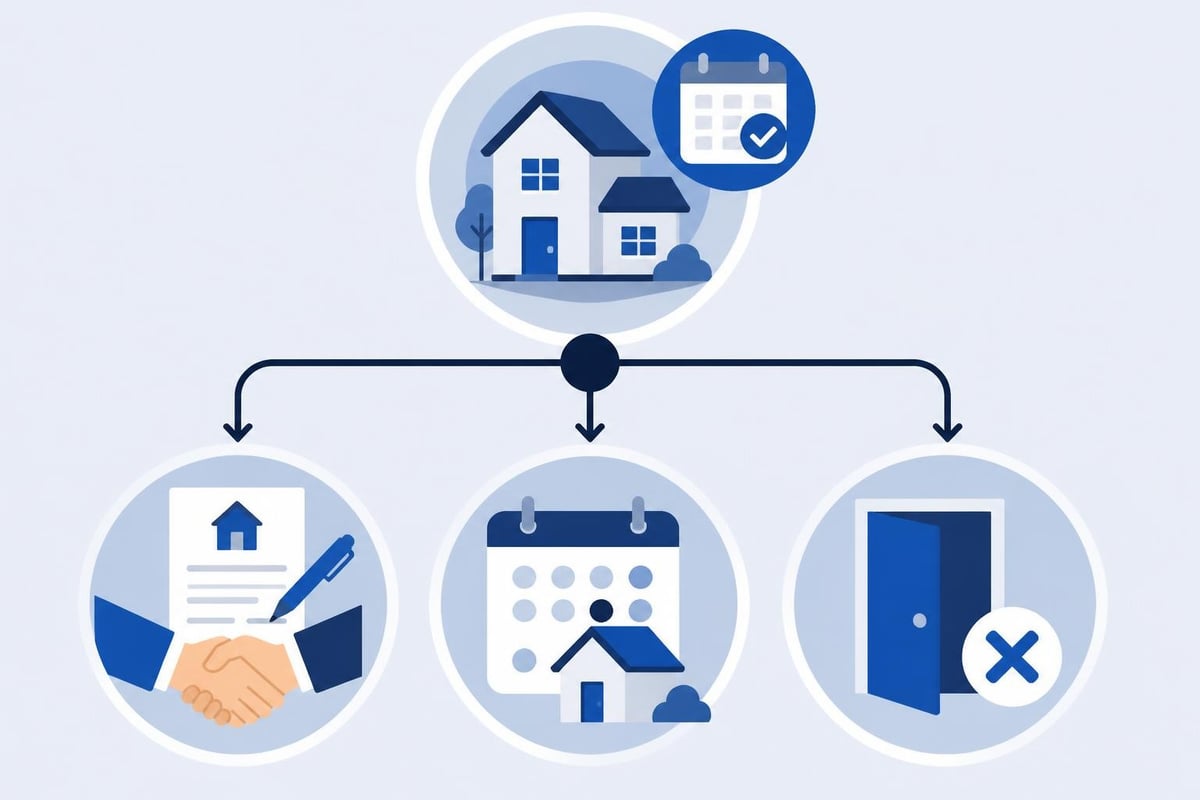
Most self-managing landlords in New Zealand find that allowing conversion to periodic offers simplicity, though fixed-term renewals can provide stability when market conditions are uncertain.
Key Components of a Rental Renewal Agreement
Whether you're drafting a new fixed-term agreement or updating terms before converting to periodic, certain elements remain essential. A comprehensive rental renewal agreement should address current market conditions while maintaining legal compliance.
| Component | Fixed-Term Renewal | Periodic Continuation |
|---|---|---|
| Written agreement | Required | Optional |
| Notice period | N/A | 90 days for tenant, varies for landlord |
| Rent increase notice | 60 days minimum | 60 days minimum |
| Term length | Specified end date | Ongoing |
| Termination flexibility | Limited during term | Either party with notice |
The rental renewal agreement process also provides an excellent opportunity to review and update property compliance. In 2026, all rental properties must meet Healthy Homes Standards, and renewals are the perfect time to document that compliance continues.
Updating Terms at Renewal
When preparing a rental renewal agreement, you may wish to modify certain terms. According to guidance on changing tenancy terms, landlords must provide adequate notice for changes. In New Zealand:
- Rent increases require 60 days' written notice
- Other term changes require mutual agreement
- Unilateral changes without consent may be unenforceable
- Material changes effectively create a new tenancy
Any proposed changes should be clearly documented and agreed upon in writing before the current agreement expires.
Timing and Notice Requirements
Timing is critical when managing a rental renewal agreement. New Zealand law doesn't require landlords to offer renewals, but clear communication protects both parties and maintains positive tenancy relationships.
Recommended timeline for fixed-term renewals:
- 90 days before expiry: Begin reviewing tenant performance and market conditions
- 60 days before expiry: Communicate intentions to tenant
- 45 days before expiry: Provide draft renewal agreement if proceeding
- 30 days before expiry: Finalise and sign new agreement
- Before expiry date: Ensure all documentation is complete
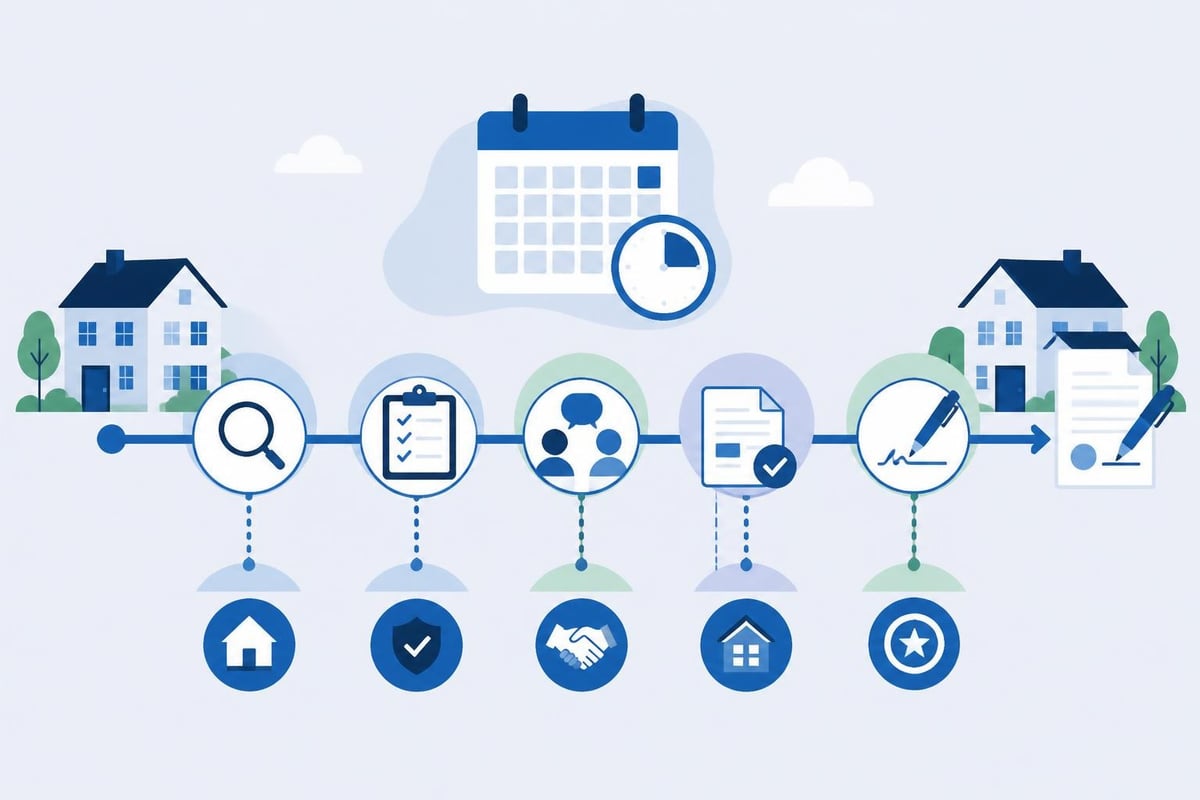
If you're allowing conversion to periodic, no formal renewal is required, though communicating your intentions helps maintain transparency. This is particularly valuable when you're planning rent increases, which must be notified separately regardless of renewal status.
Legal Considerations and Enforceability
Not all renewal clauses are automatically enforceable. Research on rental renewal contract enforceability highlights that vague terms or "agreements to agree" can create legal uncertainty.
To ensure your rental renewal agreement is enforceable:
- Specify exact rent amounts (not formulas or future-determined rates)
- Include clear start and end dates for fixed terms
- Document all agreed changes in writing
- Ensure both parties sign and date the agreement
- Provide copies to all parties
Automatic renewal clauses that bind tenants to new fixed terms without affirmative consent are generally not permitted in New Zealand residential tenancies. The automatic conversion to periodic protects tenant rights while providing landlords with continuity.
Compliance and Documentation
Managing compliance obligations becomes simpler when you treat renewals as checkpoints. Before finalising a rental renewal agreement, verify:
- Smoke alarms are compliant and tested
- Insulation certificates are current
- Heating and ventilation meet standards
- Property inspections are up to date
- Bond lodgement remains current
For self-managing landlords, maintaining organised records of renewals, notices, and compliance documentation protects against future disputes. Digital tools can automate these tracking requirements without manual spreadsheet management.
Managing Multiple Properties and Renewals
When you're self-managing several properties, renewal dates rarely align conveniently. Creating systematic processes for tracking and managing rental renewal agreements prevents missed deadlines and compliance gaps.
Effective renewal management strategies:
- Maintain a master calendar of all tenancy expiry dates
- Set automated reminders 90 days before each expiry
- Standardise your renewal documentation templates
- Track market rent rates in your area quarterly
- Document tenant communication regarding renewals

Understanding different types of rental agreements helps you choose the right structure for each property. While this resource covers US jurisdictions, the principles of matching agreement type to circumstances apply universally.
Rent Increases and Market Alignment
The rental renewal agreement process often coincides with rent reviews. In New Zealand, rent increases must be reasonable and justified by market conditions, regardless of whether you're renewing a fixed term or continuing periodic tenancy.
When considering rent adjustments:
- Research comparable properties in your area
- Ensure 60 days' written notice is provided
- Allow only one increase per 12-month period
- Document market evidence supporting the increase
- Consider tenant retention value versus market gains
Some landlords prefer conducting property inspections before discussing renewals, ensuring any maintenance issues are addressed and factored into rent decisions.
Practical Steps for Drafting Renewal Agreements
For landlords creating a new fixed-term rental renewal agreement, detailed guidance on drafting renewal agreements provides useful frameworks. While written for other jurisdictions, the structural principles remain relevant when adapted to New Zealand requirements.
Your renewal documentation should reference the original tenancy agreement while clearly stating which terms continue unchanged and which are modified. This prevents confusion about which agreement governs specific clauses.
Consider including updated emergency contact information, service provider details, and any new house rules agreed upon during the tenancy. These practical updates keep your documentation current without requiring entirely new agreements.
Managing rental renewal agreements effectively requires balancing legal compliance, market awareness, and tenant relationships. By understanding the distinction between fixed-term renewals and periodic conversions, maintaining proper documentation, and following notice requirements, self-managing landlords can navigate renewals confidently. TenancyIQ helps New Zealand landlords automate renewal tracking, compliance monitoring, and notice generation, ensuring nothing falls through the cracks when managing your rental properties.