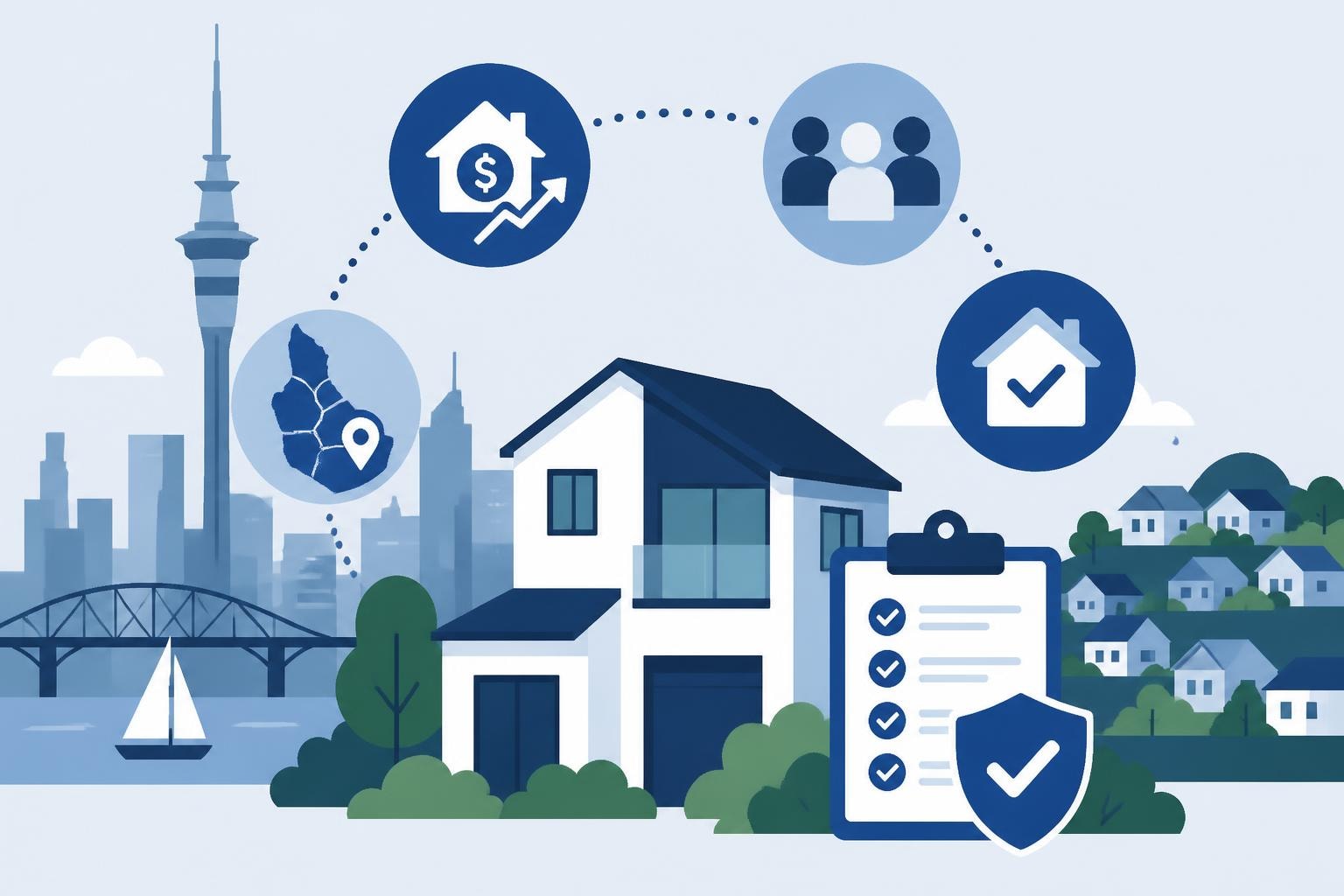
Auckland's rental market continues to evolve rapidly in 2026, presenting both opportunities and challenges for property investors and self-managing landlords. Understanding the current landscape of rental properties Auckland NZ is essential for anyone looking to maximise returns while meeting their legal obligations. With rental prices, compliance requirements, and tenant expectations all shifting, landlords need practical strategies to navigate this dynamic market successfully.
Current Market Trends in Auckland's Rental Sector
The Auckland rental market has experienced significant changes over the past year. According to recent data, average weekly rents have surpassed $700, prompting many tenants to downsize in order to manage housing costs. This shift reflects broader affordability pressures across New Zealand's largest city.
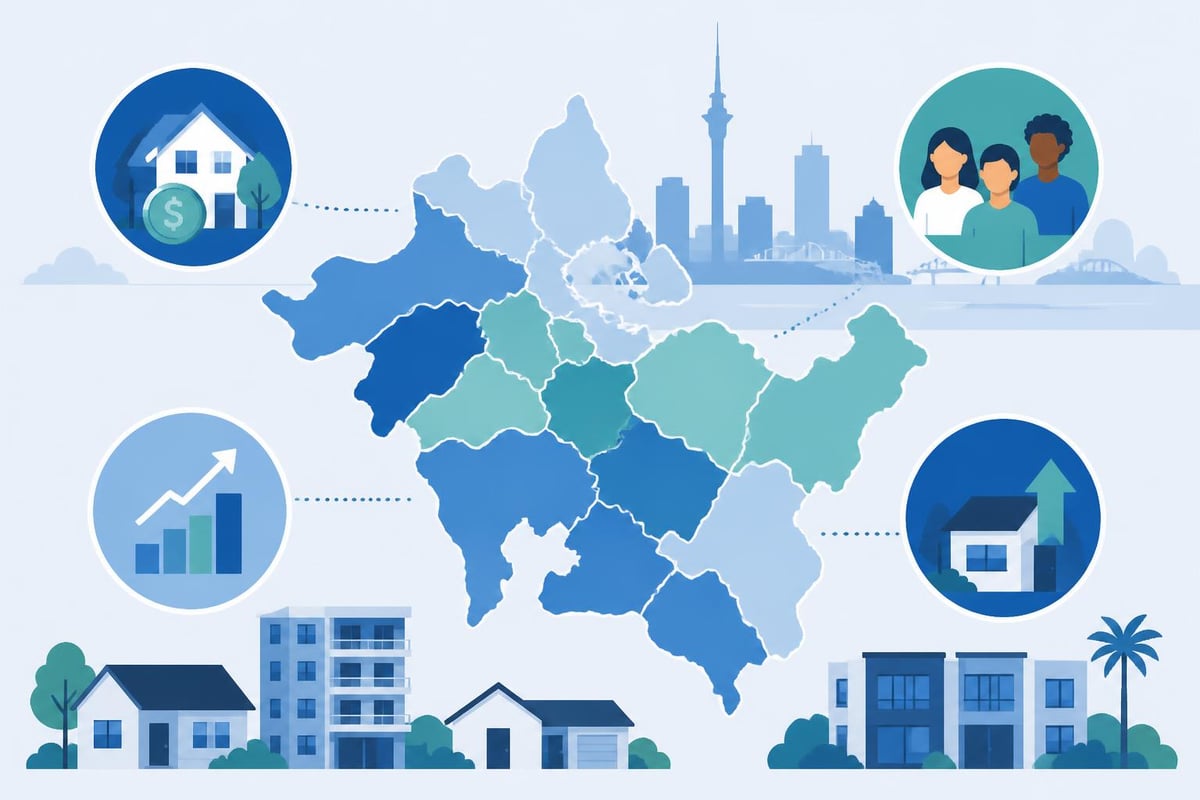
Different suburbs across Auckland have seen varying levels of rental growth. Some areas have experienced price increases of up to 7.2 per cent, particularly in locations with strong transport links and amenities. Understanding these geographical variations is crucial for landlords considering new investments or reassessing their existing portfolio of rental properties Auckland NZ.
Rental Yields Across Auckland
| Suburb Type | Average Weekly Rent | Typical Yield Range | Investor Interest |
|---|---|---|---|
| Central City | $750-$900 | 3.5-4.5% | High |
| Inner Suburbs | $650-$800 | 4.0-5.0% | Very High |
| Outer Suburbs | $550-$700 | 4.5-5.5% | Moderate |
| Lifestyle Properties | $800-$1,100 | 3.0-4.0% | Low-Moderate |
Rental yields remain a key consideration for property investors. Current data shows that Auckland's rental yields in 2026 vary considerably depending on property type, location, and purchase price. While central Auckland properties command higher rents, their capital values often result in lower gross yields compared to properties in outer suburbs.
Compliance Requirements for Auckland Landlords
Managing rental properties Auckland NZ requires strict adherence to New Zealand's tenancy legislation. The Healthy Homes standards remain a fundamental requirement for all landlords, mandating specific provisions for heating, insulation, ventilation, moisture ingress, drainage, and draught stopping.
Key compliance obligations include:
- Ensuring properties meet all six Healthy Homes standards
- Providing compliant tenancy agreements that reflect current legislation
- Lodging bonds with Tenancy Services within 23 working days
- Conducting regular property inspections (typically quarterly)
- Maintaining proper records of all tenancy communications
The New Zealand Government's tenancy information provides comprehensive guidance on landlord responsibilities. For self-managing landlords, staying current with these requirements can be challenging without proper systems in place. The TenancyIQ platform helps landlords automate compliance tracking and notice generation, reducing the risk of inadvertent breaches.
Notice Periods and Tenancy Types
Understanding the different tenancy structures is essential for effective property management. The choice between fixed-term and periodic tenancies has significant implications for both landlords and tenants in Auckland's competitive market.
| Notice Type | Landlord Notice Period | Tenant Notice Period | Common Usage |
|---|---|---|---|
| Periodic Tenancy Termination | 90 days | 28 days | Standard arrangement |
| Fixed-Term (not renewing) | 90 days | 28 days | Specific end date |
| Notice to Remedy | 14 days | N/A | Breach resolution |
| Rent Increase | 60 days | N/A | Annual adjustments |
Landlords must follow precise procedures when issuing notices. A notice to remedy requires specific wording and delivery methods to be legally valid, while rent increases can only occur once every 12 months with proper notice.
Property Management Strategies for Self-Managing Landlords
Research from Auckland Council highlights diverse perspectives on the rental experience, with both tenants and landlords facing distinct challenges. Self-managing landlords must balance maintaining good tenant relationships with protecting their investment.
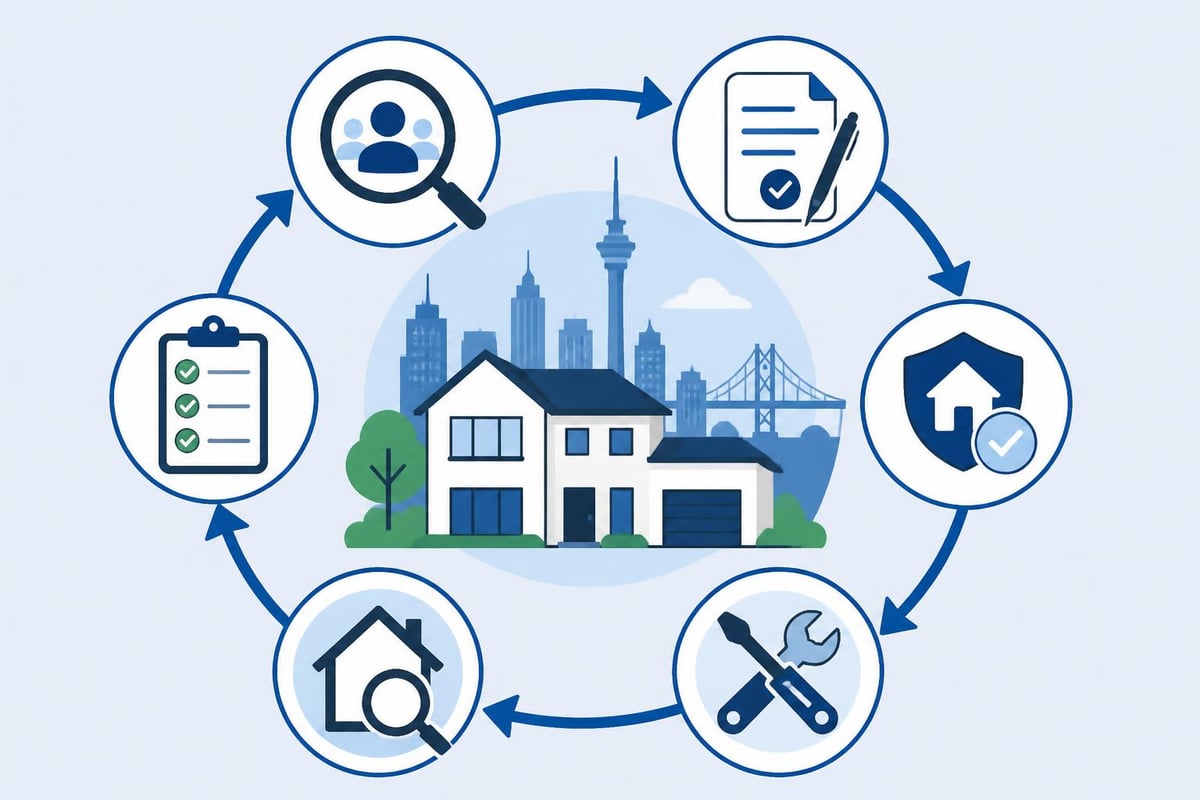
Effective property management involves several key processes:
- Thorough tenant screening including reference checks and credit assessments
- Detailed property inspections with photographic records at move-in and move-out
- Proactive maintenance scheduling to prevent small issues becoming major repairs
- Clear communication protocols for handling tenant requests and concerns
- Accurate expense tracking for tax purposes and investment analysis
The administrative burden of managing rental properties Auckland NZ can be substantial. Many self-managing landlords now use digital tools to streamline routine tasks. AI-powered platforms can automatically generate compliant notices, track important deadlines, and maintain comprehensive records without manual data entry.
Bond Management and Financial Tracking
Proper bond lodgement procedures are non-negotiable. Landlords must lodge bonds with Tenancy Services within 23 working days of receiving them, providing both landlord and tenant details along with the property address. Failure to lodge bonds correctly can result in penalties and complications at the end of a tenancy.
Essential financial records for rental properties include:
- All rental income received with dates and amounts
- Maintenance and repair expenses with invoices
- Insurance premiums and council rates
- Property management costs and professional fees
- Depreciation schedules for tax purposes
Maintaining accurate financial records throughout the year simplifies tax return preparation and provides valuable insights into property performance. For landlords managing multiple rental properties Auckland NZ, consolidated expense tracking becomes increasingly important.
Tenant Relations and Retention Strategies
Auckland's rental market challenges affect both tenants and landlords. With affordability pressures prompting longer tenancy durations, landlords who focus on tenant retention often achieve better long-term returns than those experiencing frequent turnover.
Good tenant relationships start with clear communication and realistic expectations. Providing a well-maintained property that meets all Healthy Homes requirements creates a foundation for positive interactions. Responding promptly to maintenance requests and treating tenants with respect encourages them to care for the property and stay longer.

Long-term tenants reduce vacancy periods, minimize turnover costs, and provide stable rental income. The costs associated with finding new tenants-advertising, viewings, reference checks, and preparation between tenancies-can quickly erode returns. A tenant who stays for three or more years represents significant value beyond their monthly rent payments.
Navigating Rent Adjustments in 2026
Market conditions may justify rent increases, but landlords must balance maximizing returns with retaining quality tenants. Rent increases for rental properties Auckland NZ must comply with legal requirements: landlords can only increase rent once every 12 months for periodic tenancies and must provide 60 days' written notice.
Before implementing a rent increase, research comparable properties in your area to ensure the adjustment reflects genuine market conditions. Excessive increases may prompt tenants to vacate, resulting in vacancy costs that outweigh the additional income gained.
Technology Solutions for Modern Landlords
The complexity of managing rental properties Auckland NZ in 2026 has driven increased adoption of property management technology. Self-managing landlords no longer need to rely on spreadsheets and filing cabinets to track their obligations and maintain compliance.
AI-powered tenancy management platforms offer significant advantages by automating routine administrative tasks. These systems can generate legally compliant notices based on current legislation, track important deadlines like bond lodgement and inspection schedules, and maintain comprehensive digital records of all tenancy documentation.
For landlords managing their properties without a property manager, technology bridges the gap between professional expertise and practical execution. The TenancyIQ platform specifically addresses New Zealand compliance requirements, ensuring that notices, agreements, and processes align with current tenancy law without requiring legal expertise from the landlord.
Managing rental properties Auckland NZ successfully in 2026 requires balancing market knowledge, compliance expertise, and efficient administration. Self-managing landlords who invest in proper systems and processes can achieve strong returns while maintaining positive tenant relationships and meeting all legal obligations. TenancyIQ simplifies this challenge through AI-powered automation that handles compliance, notices, and expense tracking, allowing you to focus on strategic decisions rather than administrative tasks. Explore how intelligent tenancy management can transform your property portfolio today.