
The rent 2 rent strategy has gained attention in property circles, particularly among investors looking to generate income without purchasing property outright. This business model involves leasing a property from a landlord, then subletting it to other tenants at a higher rate to create a profit margin. While rent 2 rent has established itself in markets like the United Kingdom, its application in New Zealand requires careful consideration of local tenancy laws, compliance obligations, and the unique regulatory environment governing rental properties.
Understanding the Rent 2 Rent Business Model
Rent 2 rent operates on a straightforward principle: an individual or company enters into a tenancy agreement with a property owner, taking full responsibility for the lease. The tenant then becomes a landlord themselves, subletting the property-often room by room-to generate income that exceeds the original rent paid to the property owner.
Key characteristics of this arrangement include:
- The primary tenant assumes all tenancy obligations to the property owner
- Multiple sub-tenants typically occupy the property simultaneously
- Profit derives from the difference between total sub-tenant rent and the master lease payment
- The primary tenant manages all maintenance, compliance, and tenant relations
This model appeals to those wanting to enter the rental market without significant capital investment. However, second chance rental programmes demonstrate that non-traditional rental arrangements require robust systems and clear documentation to succeed.

Legal Framework in New Zealand
The Residential Tenancies Act 1986 governs all tenancy arrangements in New Zealand, including subletting situations. Under current regulations, tenants must obtain written permission from their landlord before subletting any part of the premises. This requirement creates the foundation for rent 2 rent arrangements and establishes clear legal boundaries.
Critical compliance points include:
- Written subletting approval must be obtained and documented
- All tenancy agreements must comply with MBIE standards
- Bond lodgement obligations apply to both primary and sub-tenancies
- Healthy Homes Standards must be met for all occupants
- Insurance arrangements must cover the subletting scenario
Many New Zealand landlords remain unfamiliar with rent 2 rent structures, making education and transparency essential. The Healthy Homes checklist becomes particularly important when multiple tenants occupy a property, as each room must meet minimum standards.
Risks and Challenges for Property Owners
Landlords considering rent 2 rent proposals face several distinct risks that differ from standard tenancy arrangements. Understanding these challenges helps property owners make informed decisions about whether this model suits their investment strategy and risk tolerance.
| Risk Category | Traditional Tenancy | Rent 2 Rent |
|---|---|---|
| Tenant Turnover | Low to moderate | High (multiple sub-tenants) |
| Property Wear | Predictable | Accelerated due to multiple occupants |
| Compliance Burden | Landlord manages | Shared responsibility |
| Income Certainty | Fixed term security | Dependent on primary tenant's business |
| Legal Complexity | Standard agreements | Multiple overlapping contracts |
The primary tenant's financial stability becomes crucial. If their rent 2 rent business fails, the property owner may face multiple displaced occupants, unpaid rent, and potential Tenancy Tribunal proceedings to resolve the situation.
Property wear accelerates significantly when multiple occupants share facilities. Kitchens, bathrooms, and common areas experience heavier use than in single-family tenancies, potentially increasing maintenance costs and reducing the property's lifespan between renovations.
Compliance Complications
Managing compliance becomes considerably more complex in rent 2 rent scenarios. While the primary tenant technically handles day-to-day management, the property owner retains ultimate responsibility for ensuring the dwelling meets all legal requirements.
Specific compliance challenges include:
- Ensuring bond lodgement occurs for all sub-tenancies
- Verifying that sub-tenant agreements comply with current legislation
- Maintaining oversight of property condition despite indirect management
- Coordinating inspections across multiple occupants
- Managing notice periods when terminating the primary tenancy
The layered nature of rent 2 rent creates documentation challenges that surpass traditional tenancy management. Digital solutions that centralise compliance tracking become invaluable for maintaining oversight across multiple tenant relationships.

Financial Considerations and Profitability
The rent 2 rent model's financial viability depends on achieving sufficient margin between the master lease payment and total sub-tenant income. In New Zealand's competitive rental market, particularly in cities like Auckland and Wellington, finding properties where this margin exists requires careful analysis.
Primary tenants typically target properties suitable for conversion into house-sharing arrangements. A three-bedroom home might generate individual room rents totalling $200-$300 more per week than the property would achieve as a single letting. However, this margin must cover additional costs that don't exist in traditional renting.
Cost factors affecting profitability:
- Higher utility expenses due to multiple occupants
- Increased maintenance and cleaning requirements
- Vacancy risk when individual rooms become available
- Time investment in managing multiple tenant relationships
- Professional indemnity and liability insurance
Understanding property management rates in New Zealand provides context for the value proposition rent 2 rent operators offer landlords. Traditional property management typically charges 7-10% of rental income, whereas rent 2 rent operators assume this function within their business model.
Due Diligence for Landlords
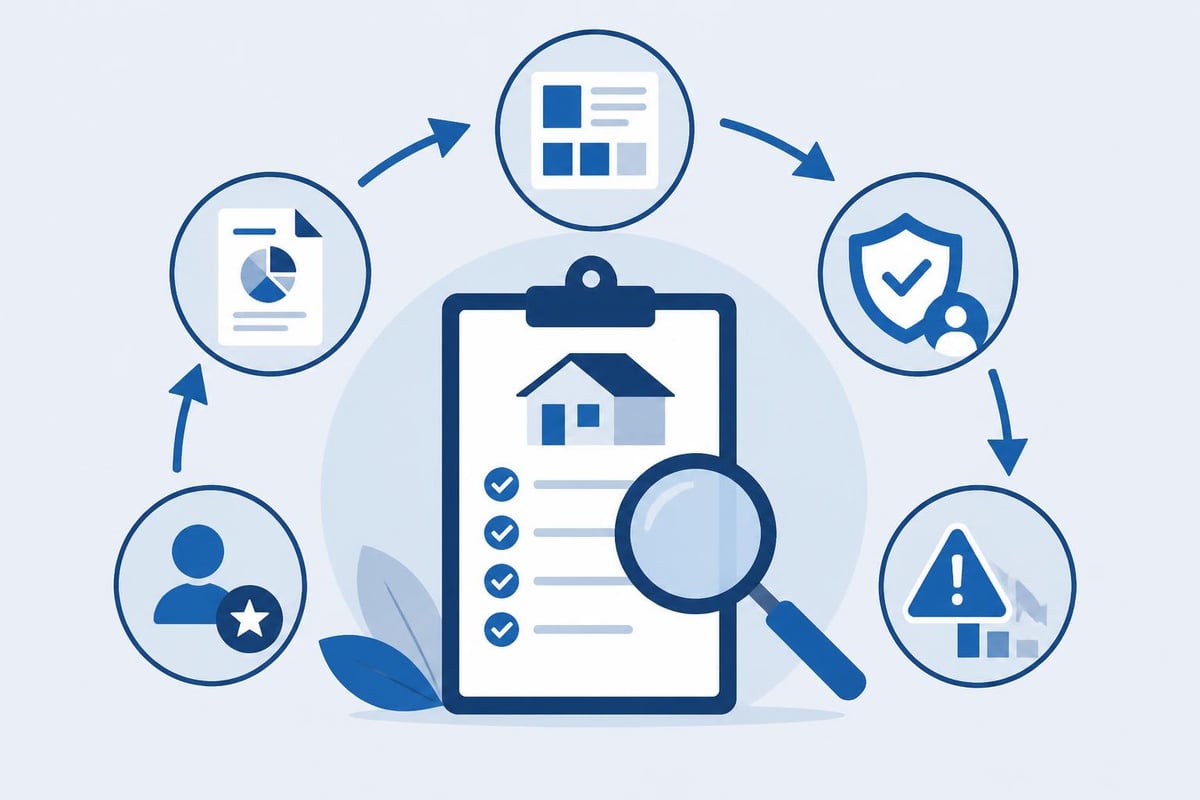
Property owners approached with rent 2 rent proposals should conduct thorough due diligence before agreeing to such arrangements. Unlike standard tenancy applications, evaluating a rent 2 rent operator requires assessing their business capability, not just personal tenancy history.
Essential verification steps include:
- Requesting detailed business plans showing projected income and expenses
- Checking references from other landlords who've partnered with the operator
- Reviewing the operator's understanding of New Zealand tenancy law
- Examining their systems for compliance and tenant management
- Assessing financial reserves to cover periods of vacancy or economic downturn
Many successful rent-to-own programmes demonstrate that alternative rental arrangements can work when properly structured with professional oversight. The same principle applies to rent 2 rent-success depends on the operator's professionalism and systems.
Landlords should also clarify insurance requirements explicitly. Standard landlord insurance policies may not cover rent 2 rent arrangements, requiring the primary tenant to obtain appropriate coverage that protects both parties' interests.
Alternatives to Consider
For landlords seeking hands-off property management without the complexities of rent 2 rent, several alternatives exist within New Zealand's property market. Traditional property management services provide professional oversight while maintaining direct landlord-tenant relationships.
Self-managing landlords increasingly turn to technology platforms that automate compliance and administrative tasks without surrendering property control. Modern tenancy management solutions handle notice generation, expense tracking, and regulatory requirements through AI-powered systems that eliminate manual data entry.
The choice between rent 2 rent, traditional management, or technology-enabled self-management depends on individual circumstances, risk tolerance, and involvement preferences. Each approach offers distinct advantages and trade-offs that landlords must weigh against their investment objectives.
The rent 2 rent model presents opportunities and risks that require careful evaluation within New Zealand's regulatory framework. While it offers investors a path to rental income without property ownership, landlords must assess whether the arrangement aligns with their management philosophy and risk profile. For those preferring to maintain direct control while streamlining administrative burdens, TenancyIQ offers AI-powered compliance and management tools designed specifically for self-managing New Zealand landlords, delivering efficiency without intermediaries.