
Managing rental arrears represents one of the most challenging aspects of property ownership for self-managing landlords across New Zealand. When a tenant stops paying rent, the situation demands swift, compliant action balanced with understanding of both legal obligations and practical realities. This guide explores how to navigate rent arrears professionally while protecting your investment and maintaining proper documentation throughout the process.
Understanding the Impact of Not Paying Rent
Not paying rent creates immediate financial pressure for landlords who rely on rental income to cover mortgages, rates, and maintenance costs. In New Zealand's tenancy framework, rental payments form the foundation of the tenancy agreement, and failure to meet this obligation triggers specific legal pathways.
The First 48 Hours Matter
When rent doesn't arrive on the due date, document the shortfall immediately. Many landlords wait too long before taking action, which can complicate matters later.
Critical initial steps:
- Check your records to confirm the payment is genuinely overdue
- Review the tenancy agreement for the exact payment date and method
- Verify there are no banking delays or processing issues
- Document the exact amount owing and the date it became overdue
Some tenants experience genuine payment difficulties due to unexpected circumstances. A brief, professional conversation often reveals whether this is a temporary hiccup or the beginning of a more serious issue. Understanding notice periods in New Zealand helps you recognise your options from day one.
Legal Framework for Rental Arrears in New Zealand
The Residential Tenancies Act 1986 provides clear procedures for addressing not paying rent situations. Landlords cannot simply change locks or remove belongings; you must follow the prescribed legal process.
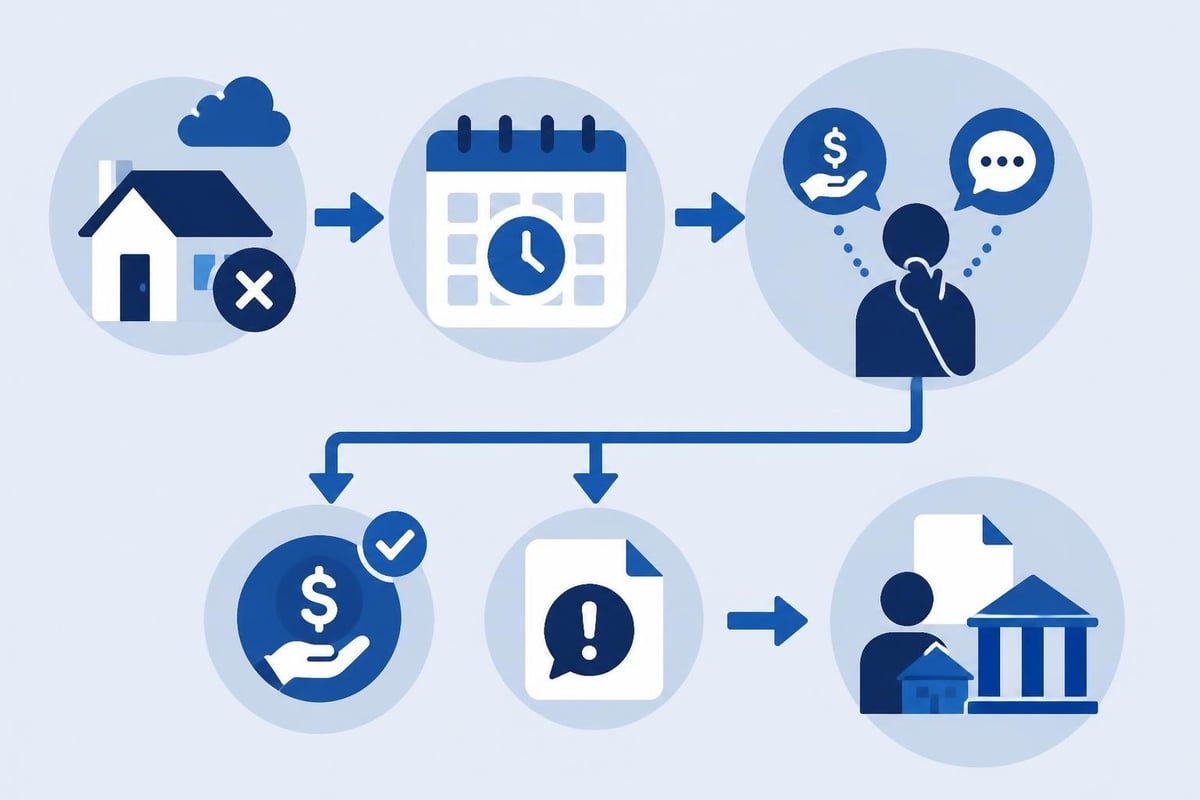
Notice to Remedy Requirements
When a tenant falls behind on rent, your first formal step involves issuing a notice to remedy. This document must specify the amount owed and provide at least 14 days for the tenant to rectify the breach.
| Timeline | Landlord Action | Tenant Response |
|---|---|---|
| Day 0 | Rent becomes overdue | Payment due date passes |
| Day 1-3 | Informal contact | May explain delay |
| Day 4-7 | Issue Notice to Remedy | 14-day remedy period begins |
| Day 21+ | Can apply to Tribunal if unpaid | May pay or file counter-claim |
The notice must be properly served according to compliance requirements, and landlords should maintain clear records of delivery. According to legal frameworks for non-payment, proper documentation becomes essential if the matter proceeds to formal proceedings.
Preventing Rental Arrears Through Proactive Management
Prevention remains more effective than cure. Establishing clear payment expectations from the beginning reduces the likelihood of payment problems.
Setting Clear Payment Protocols
Your tenancy agreement should specify:
- Exact payment due dates (typically weekly, fortnightly, or monthly)
- Accepted payment methods
- Consequences of late payment
- Grace periods, if any
Many landlords now use automated systems to track payments and flag arrears immediately. Modern platforms can send polite reminders before rent becomes overdue, reducing accidental late payments significantly.
Effective screening practices:
- Request and verify rental references from previous landlords
- Confirm employment and income stability
- Check credit history where appropriate
- Document all pre-tenancy checks thoroughly
Understanding rental inspection protocols helps you maintain regular contact with tenants, which often surfaces financial difficulties before they escalate into serious arrears.
Navigating the Tenancy Tribunal Process
When informal resolution fails and the remedy period expires without payment, landlords can apply to the Tenancy Tribunal for a termination order and arrears judgment.
Preparing Your Application
The Tribunal requires comprehensive documentation proving not only the arrears but also your compliance with all notice requirements. Applications must include:
- Complete payment ledger showing all transactions
- Copy of the tenancy agreement
- Proof of service for the Notice to Remedy
- Evidence of any communication regarding the arrears
- Details of any previous payment issues
Similar to processes outlined for eviction notices for non-payment, New Zealand's system requires strict adherence to procedural fairness. Tribunals can dismiss applications if landlords haven't followed correct processes, even when rent genuinely remains unpaid.

What Happens at the Hearing
Tribunal adjudicators examine whether both parties fulfilled their obligations. They'll consider:
- Whether rent is genuinely owed
- If proper notice procedures were followed
- Any mitigating circumstances the tenant presents
- Whether the landlord met all their obligations
The Tribunal can order termination of the tenancy, repayment of arrears, or dismiss the application. They may also order compensation for additional costs like Tribunal fees.
Communication Strategies During Arrears
Professional communication maintains relationships while protecting your interests. Not paying rent situations often stem from temporary hardship rather than deliberate avoidance.
Approach conversations with empathy but clear boundaries. Document every interaction in writing, following up verbal discussions with email confirmations.
Effective communication includes:
- Clear, factual statements about amounts owed
- Specific deadlines for payment or payment plans
- Options available to the tenant (Work and Income assistance, budgeting services)
- Consequences if payment doesn't occur
Some tenants may qualify for assistance through government agencies or community organisations. Directing them toward these resources can resolve arrears while maintaining the tenancy. However, ultimately, ensuring rent is paid remains the tenant's responsibility, and landlords cannot be expected to provide indefinite credit.
Payment Plans and Alternative Arrangements
When tenants acknowledge arrears and demonstrate genuine commitment to resolving them, payment plans can work effectively. Structure these agreements carefully.
A written payment plan should specify:
| Element | Details Required |
|---|---|
| Total arrears | Exact amount owed as of agreement date |
| Regular rent | Confirmation that ongoing rent continues |
| Additional payment | Extra amount toward arrears each period |
| Duration | How long until arrears fully cleared |
| Consequences | What happens if plan isn't maintained |
Monitor payment plans closely. According to guidance on late rent implications, falling behind again after establishing a payment plan strengthens landlord claims in subsequent Tribunal proceedings.

Recording and Tracking Rental Payments
Accurate financial records prevent disputes and provide essential evidence if legal action becomes necessary. A proper rent ledger documents every transaction between landlord and tenant.
Modern property management platforms automatically track payments, flag arrears, and generate reports for Tribunal applications. This automation eliminates manual spreadsheet errors and ensures nothing falls through the cracks.
For self-managing landlords handling multiple properties, digital systems become increasingly essential. Understanding property management rates helps you weigh the cost of professional management against self-management tools that streamline compliance and record-keeping.
When Professional Intervention Becomes Necessary
Some not paying rent situations escalate beyond informal resolution. Recognising when to seek professional assistance protects your investment and mental wellbeing.
Consider engaging specialists when:
- Arrears exceed one month's rent
- The tenant disputes amounts or refuses communication
- Previous payment plans have failed
- You're uncertain about legal procedures
- The situation causes significant stress
Property lawyers specialising in tenancy law can advise on complex situations, while Tribunal representation services help prepare applications and attend hearings. While these services involve costs, they often prove worthwhile for substantial arrears or complicated cases.
Managing not paying rent situations requires balancing legal compliance with practical problem-solving while maintaining detailed records throughout the process. Self-managing landlords in New Zealand need systems that track payments automatically, flag arrears immediately, and generate compliant notices when required. TenancyIQ streamlines these essential tasks through AI-powered automation, ensuring you never miss a payment issue while maintaining the documentation needed for Tribunal applications or payment plan monitoring.