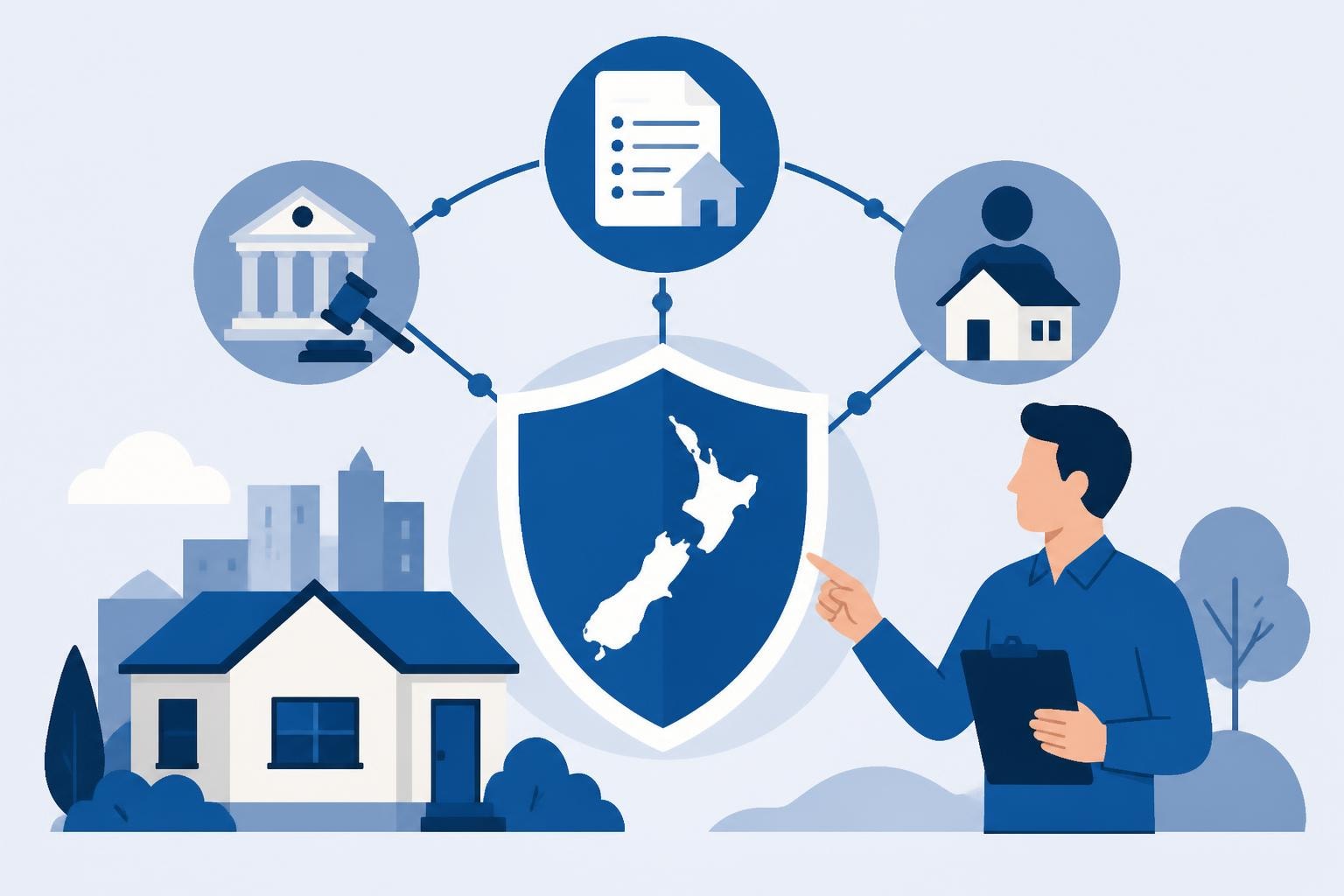
The rental property landscape continues to evolve rapidly, with regulatory changes reshaping how landlords operate across multiple jurisdictions. For self-managing landlords in New Zealand, staying abreast of these shifts is essential to maintaining compliant, profitable tenancies. While some regions have introduced sweeping reforms to tenant protections, others have centralised authority under state frameworks, creating a complex environment where understanding the new rules for landlords has never been more critical.
Understanding the Global Context of Tenancy Law Changes
Landlord obligations have undergone significant transformation worldwide during 2024-2026, reflecting broader shifts in housing policy and tenant advocacy. The Renters' Rights Act reforms that took effect in May 2026 represent one of the most substantial overhauls to private rental regulation in recent memory, abolishing 'no-fault' evictions and converting tenancies into rolling Assured Periodic Tenancies.
These international developments provide valuable context for New Zealand landlords, particularly as local regulatory frameworks continue to tighten. Understanding how other jurisdictions manage tenancy compliance can inform best practices, even when specific statutes differ.
Jurisdictional Variations in Landlord Obligations
Different regions have taken markedly different approaches to tenancy regulation. Some have strengthened local protections, while others have moved toward state-level preemption.
Key regulatory approaches include:
- Expanded tenant rights under habitability warranties
- Mandatory 'cause' requirements for eviction proceedings
- State preemption of local tenant protection ordinances
- Enhanced notice requirements and disclosure obligations
- Stricter compliance timelines for property standards
Colorado's 2024 landlord-tenant law changes exemplify the trend toward requiring documented cause for evictions, fundamentally altering the landlord-tenant relationship in that jurisdiction. Meanwhile, Florida's HB 1417 preempted approximately 40 local ordinances, centralising regulation under state authority and creating uniform standards across municipalities.
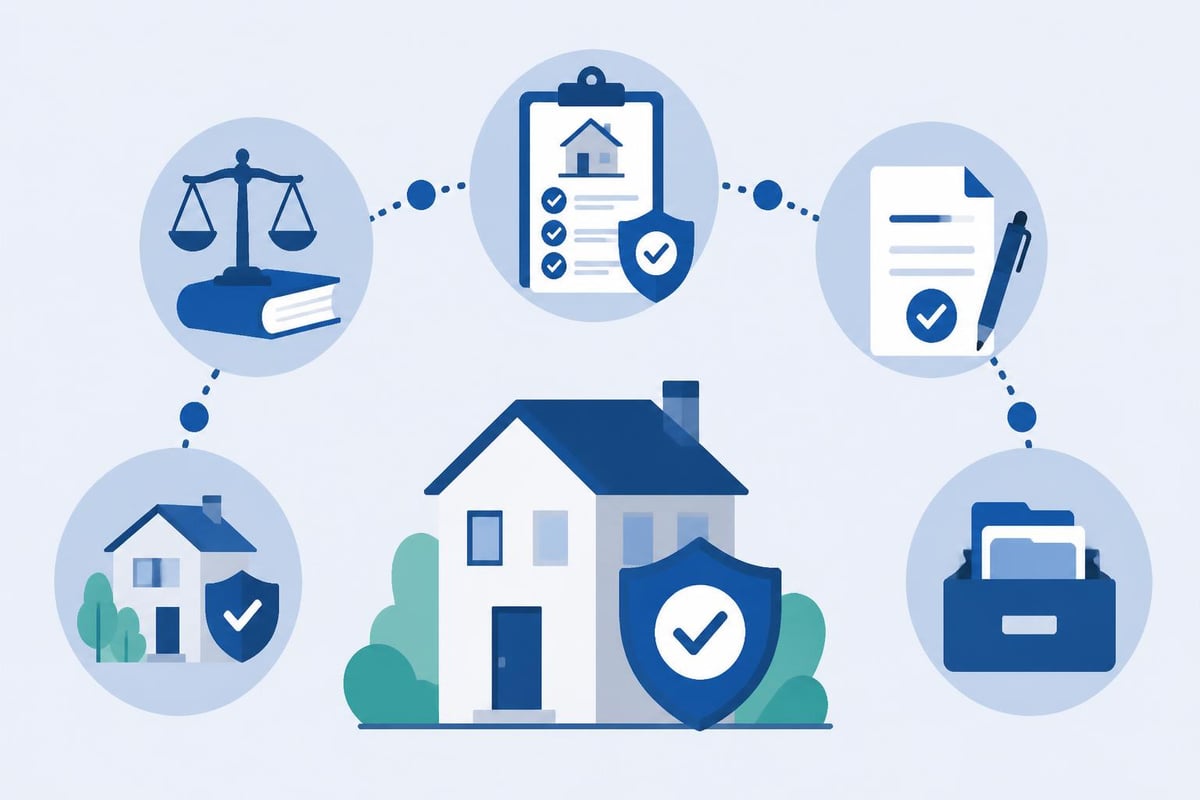
New Zealand's Evolving Tenancy Framework
New Zealand landlords face their own set of regulatory requirements, many of which have been substantially updated in recent years. The Healthy Homes standards, bond lodgement procedures, and notice protocols all require careful attention to detail and systematic record-keeping.
For self-managing landlords, the challenge lies not just in understanding these new rules for landlords but in implementing systems that ensure ongoing compliance without consuming excessive time. Manual tracking of deadlines, notice periods, and inspection schedules can quickly become overwhelming, particularly for landlords managing multiple properties.
Critical Compliance Areas for NZ Landlords
| Compliance Area | Key Requirements | Documentation Needed |
|---|---|---|
| Healthy Homes | Insulation, heating, ventilation, moisture, draught stopping | Compliance statements, inspection records |
| Bond Management | Lodge within 23 working days | Bond lodgement receipts, tenant signatures |
| Rent Increases | 12-month minimum intervals, 60 days' notice | Written notices, delivery confirmation |
| Notice to Remedy | Specific grounds, 14-day remedy period | Dated notices, photographic evidence |
The Healthy Homes standards checklist provides a structured approach to meeting these baseline requirements, but landlords must also stay current with any amendments or clarifications issued by the Ministry of Business, Innovation and Employment (MBIE).
Implementing Effective Compliance Systems
Compliance isn't merely about knowing the rules; it's about creating workflows that embed regulatory requirements into daily property management operations. The new rules for landlords demand systematic approaches to documentation, communication, and deadline management.
Essential system components include:
- Centralised document storage for all tenancy agreements, notices, and compliance records
- Automated deadline tracking for rent reviews, inspection cycles, and notice periods
- Template libraries for compliant notices aligned with current legislation
- Expense categorisation linking costs to specific properties and tax obligations
- Communication logs documenting all tenant interactions and maintenance requests
Many self-managing landlords initially attempt to manage these elements through spreadsheets or generic document storage, but this approach becomes increasingly fragile as portfolios grow or regulations change.
Notice Requirements and Documentation Standards
The precision required in tenancy notices cannot be overstated. Whether issuing a notice to remedy or communicating a rent increase, landlords must ensure notices contain all legally required information, use prescribed formats where applicable, and allow appropriate timeframes.

Common notice-related compliance failures include:
- Insufficient notice periods for rent increases or inspections
- Missing mandatory information in eviction notices
- Failure to provide notices in prescribed formats
- Inadequate proof of delivery or service
- Inconsistent application of notice procedures across tenancies
Technology-Enabled Compliance Management
The complexity of modern tenancy compliance has driven many landlords toward technology solutions that automate routine tasks while maintaining comprehensive audit trails. AI-powered tenancy management platforms can significantly reduce the administrative burden associated with the new rules for landlords, particularly for those managing properties without professional property management support.
These systems typically offer:
- Automated compliance monitoring that flags upcoming deadlines and regulatory changes
- Template generation for notices, agreements, and statutory documents
- Expense tracking with categorisation for tax purposes
- Communication management maintaining dated records of all tenant interactions
- Property-specific dashboards showing compliance status at a glance
For landlords managing multiple properties, the ability to view compliance status across an entire portfolio provides invaluable oversight, identifying potential issues before they escalate into Tenancy Tribunal disputes.
International Perspectives on Compliance Tools
Looking beyond New Zealand, state-by-state landlord-tenant statutes demonstrate the varying regulatory approaches across different jurisdictions. While specific requirements differ, the fundamental compliance challenges remain consistent: tracking deadlines, maintaining proper documentation, and ensuring all communications meet statutory standards.
California's no-fault eviction rules and broader 2024 rent law changes illustrate how quickly tenancy frameworks can shift, reinforcing the need for systems that adapt to regulatory updates without requiring complete process overhauls.

Risk Management Through Proactive Compliance
The new rules for landlords create both obligations and opportunities. Landlords who implement robust compliance systems not only avoid penalties and Tenancy Tribunal disputes but also position themselves as professional, responsive property managers who attract and retain quality tenants.
Risk mitigation strategies include:
- Regular compliance audits across all properties
- Standardised onboarding procedures for new tenancies
- Documented maintenance response protocols
- Periodic review of template documents against current legislation
- Professional development to stay current with regulatory changes
| Risk Area | Mitigation Strategy | Documentation Required |
|---|---|---|
| Healthy Homes non-compliance | Annual inspection cycle | Dated inspection reports, compliance certificates |
| Bond lodgement delays | Automated tracking system | Bond receipts, processing confirmations |
| Invalid notices | Template review and update | Version-controlled notice library |
| Missed rent review deadlines | Calendar integration | Automated reminders, historical records |
The bond lodgement process exemplifies an area where systematic approaches prevent common errors. Missing the 23-working-day deadline can result in penalties and complicate future tenancy proceedings, yet proper systems make this deadline manageable even across large portfolios.
Building Scalable Compliance Frameworks
For self-managing landlords considering portfolio expansion, scalability becomes paramount. Compliance systems that work adequately for one or two properties often collapse under the administrative weight of five or ten. The new rules for landlords demand frameworks that grow efficiently alongside property portfolios.
Scalable compliance requires:
- Standardised processes applicable across all properties
- Technology that eliminates duplicate data entry
- Automated reporting for portfolio-wide oversight
- Integration between property management, accounting, and compliance functions
- Clear audit trails supporting defensible decision-making
Many landlords discover that manual compliance management creates an artificial ceiling on portfolio growth. The time required to track deadlines, prepare notices, and maintain records across multiple properties eventually exceeds available hours, forcing a choice between hiring professional management or limiting expansion.
Navigating the evolving regulatory environment requires self-managing landlords to balance statutory obligations with operational efficiency. The new rules for landlords demand systematic approaches to compliance, documentation, and tenant communication that manual processes struggle to deliver at scale. TenancyIQ provides AI-powered solutions specifically designed for New Zealand landlords, automating compliance tracking, notice generation, and expense management so you can focus on building a successful rental portfolio rather than wrestling with spreadsheets and deadlines.