
Managing rental properties in New Zealand requires meticulous financial record-keeping, and a ledger for rent sits at the heart of effective tenancy management. For self-managing landlords, understanding how to maintain and interpret these records can mean the difference between smooth operations and costly disputes. Whether you're tracking bond lodgements, rent payments, or expense allocations, a comprehensive rental ledger provides the foundation for professional property management and regulatory compliance.
What Is a Ledger for Rent?
A ledger for rent is a detailed financial record that documents every transaction between a landlord and tenant throughout a tenancy. This running account captures rent charges, payments received, late fees, maintenance costs, and any other financial interactions specific to each rental property.
Understanding what makes up a rent ledger helps landlords maintain transparency and accuracy. Each entry typically includes the transaction date, description, amount charged or credited, and the running balance. This chronological record becomes particularly valuable when addressing tenant queries or preparing for Tenancy Tribunal hearings.
The importance of a ledger for rent extends beyond simple bookkeeping. It serves as legal documentation, tax preparation support, and a management tool that helps landlords identify payment patterns and potential issues before they escalate.
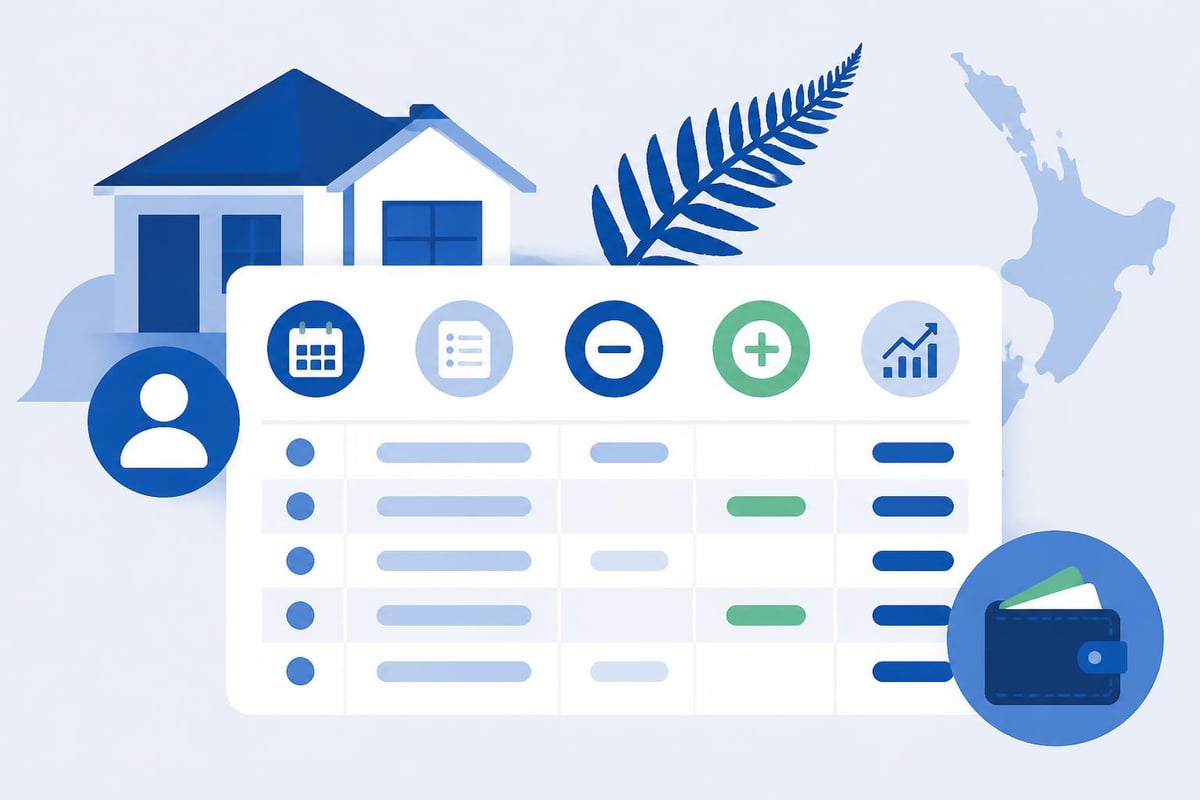
Core Components Every Rental Ledger Must Include
Transaction details form the backbone of any effective rental ledger system:
- Date of each transaction (payment, charge, or adjustment)
- Clear description identifying the nature of each entry
- Amount charged or credited to the tenant's account
- Running balance showing current financial status
- Payment method and reference numbers for verification
Property and tenant identification ensures records remain organised across multiple tenancies. Include the property address, tenant names, tenancy start date, and lease type. For landlords managing several properties, understanding fixed-term versus periodic tenancies affects how you structure long-term ledger entries.
| Ledger Element | Purpose | Compliance Value |
|---|---|---|
| Payment dates | Track timeliness | Evidence for Tribunal |
| Charge descriptions | Clarify debits | Dispute resolution |
| Running balance | Monitor arrears | Legal documentation |
| Supporting documents | Verify transactions | Tax audit preparation |
Managing Rent Payments and Charges
Recording rent payments accurately prevents misunderstandings and builds trust with tenants. Every payment should appear in the ledger for rent within 24-48 hours of receipt, including the exact amount, date received, and payment method.
Rent increases require special attention in New Zealand. The Residential Tenancies Act 1986 mandates specific procedures, and rent increase rules must be followed precisely. Your ledger should clearly show when increases take effect, the previous rate, new rate, and reference to the notice provided.
Handling Arrears and Late Payments
When tenants fall behind on rent, your ledger for rent becomes crucial documentation. Record the exact date payments become overdue and any late fees applied (ensuring they comply with current regulations). This information supports notices to remedy and potential Tenancy Tribunal applications.
Tracking tenant ledger balances requires consistency. Establish a regular review schedule-weekly for properties with payment issues, monthly for stable tenancies. Early identification of payment patterns helps landlords address problems before they escalate.
Beyond Rent: Expenses and Deductions
A comprehensive ledger for rent captures more than just monthly payments. Maintenance costs, utility charges, and bond-related transactions all belong in this financial record.
Expense categories worth tracking separately include:
- Emergency repairs and maintenance
- Scheduled property inspections
- Compliance upgrades (Healthy Homes standards)
- Property management costs
- Insurance and rates allocations
Bond lodgement details should appear in your ledger with the amount, lodgement date, and Tenancy Services reference number. When tenancies end, document any bond deductions with supporting evidence-photos, invoices, and inspection reports.

Tax Compliance and Financial Reporting
Your rental ledger directly supports Inland Revenue obligations. Accurate records simplify tax return preparation and provide audit trails if required. Best practices in rental property accounting emphasise separating personal and property finances-a principle that starts with your ledger structure.
Depreciation, interest deductions, and expense claims all rely on the transaction history within your ledger for rent. Maintaining consistent records throughout the year eliminates end-of-year scrambling and reduces costly accountant hours.
Digital Solutions vs Manual Tracking
Traditional spreadsheets served landlords well for decades, but modern property management demands more sophisticated tools. Understanding rental property accounting fundamentals reveals why automation increasingly matters.
| Method | Advantages | Limitations |
|---|---|---|
| Manual spreadsheets | Full control, no subscription | Time-consuming, error-prone |
| Property management software | Automation, reporting, compliance | Learning curve, ongoing cost |
| AI-powered platforms | Intelligent categorisation, minimal data entry | Requires initial setup |
For self-managing landlords in New Zealand, choosing the right system depends on portfolio size and complexity. A single property might suit spreadsheet management, whilst multiple tenancies benefit from integrated platforms that connect compliance tracking with financial records.
Automation Benefits for Busy Landlords
Modern solutions eliminate repetitive data entry whilst maintaining the detailed records required for a ledger for rent. Automatic payment reconciliation, scheduled charge application, and instant balance calculations save hours each month.
Integration capabilities matter significantly. Comprehensive property management features should include document storage linking invoices and receipts directly to ledger entries, creating verifiable audit trails without manual filing.
Legal Protection Through Accurate Records
The Tenancy Tribunal frequently requests rental ledgers when resolving disputes. What rental account ledgers mean legally demonstrates their weight as evidence in New Zealand's tenancy system.
Tribunal-ready documentation requires:
- Complete transaction history from tenancy start
- Clear identification of all charges and credits
- Supporting documentation for disputed entries
- Consistent formatting and professional presentation
- Backup copies stored securely
Defining what constitutes a proper rent ledger helps landlords understand minimum standards. Gaps in records, unclear descriptions, or missing documentation undermine credibility when disputes arise.

Privacy and Data Security Considerations
Rental ledgers contain sensitive financial information subject to Privacy Act 2020 requirements. Secure storage, limited access, and proper disposal protocols protect both landlord and tenant interests.
Cloud-based systems offer encrypted storage and automatic backups, reducing risks associated with lost paperwork or computer failures. When evaluating solutions, security measures should meet New Zealand data protection standards.
Tenant Communication and Transparency
Providing tenants with regular ledger access builds trust and reduces payment disputes. Monthly statements showing current balances, recent transactions, and upcoming charges keep everyone informed.
Effective tenant portals enable self-service access whilst maintaining landlord control. Tenants can verify payments, review charge breakdowns, and download statements without requiring landlord intervention. This transparency often prevents misunderstandings before they become conflicts.
Modern tenant portal solutions streamline communication whilst maintaining comprehensive records. When tenants can check their balance anytime, payment compliance typically improves.
Maintaining an accurate ledger for rent protects your investment, simplifies compliance, and provides peace of mind throughout every tenancy. Whether you choose spreadsheets or sophisticated software, the principles remain constant: record every transaction promptly, maintain supporting documentation, and review balances regularly. For New Zealand landlords seeking to eliminate manual data entry whilst ensuring compliance and accurate financial tracking, TenancyIQ offers AI-powered solutions designed specifically for self-managing property owners. The platform automates ledger maintenance, handles regulatory requirements, and gives you back valuable time to focus on what matters most.