
A well-structured tenant checklist forms the foundation of successful property management in New Zealand. Whether you're preparing for a new tenancy or documenting the end of one, having a systematic approach ensures compliance with current regulations and protects both parties throughout the rental relationship. For self-managing landlords, a comprehensive checklist reduces disputes, streamlines processes, and creates a professional framework for every tenancy.
Pre-Tenancy Preparation
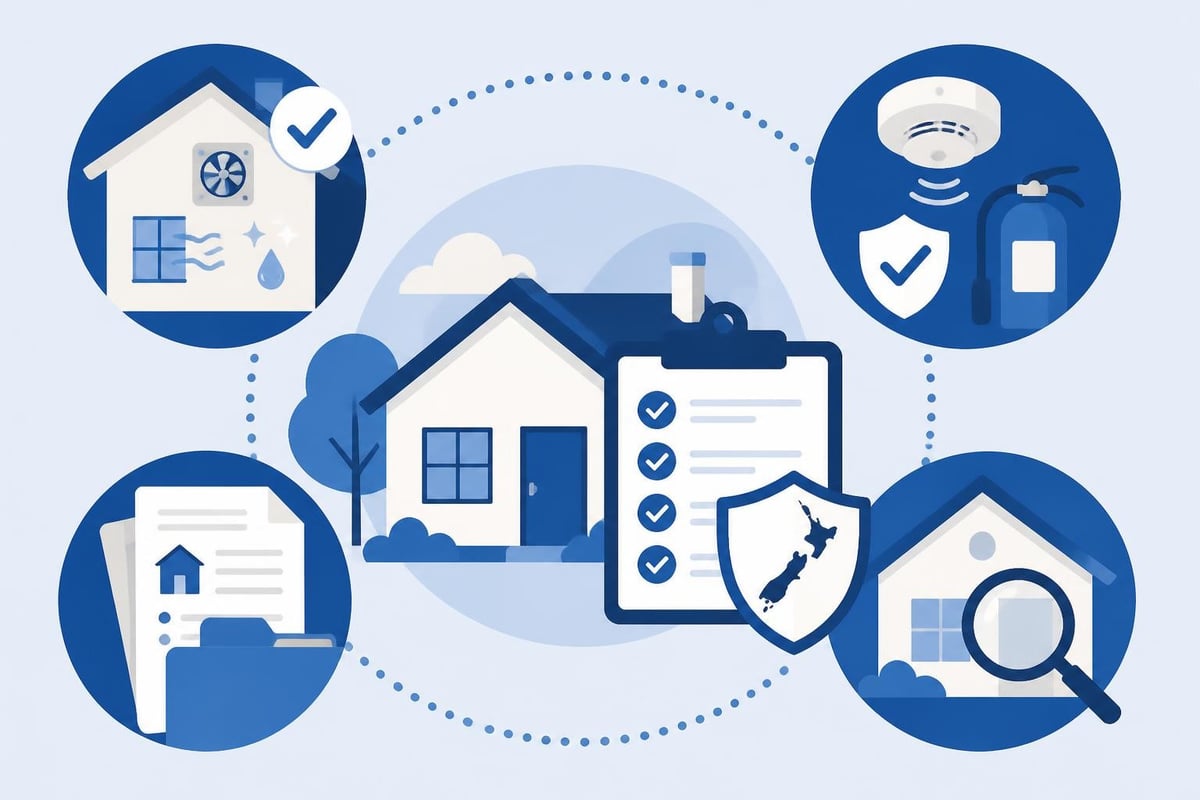
Before welcoming new tenants, landlords must ensure the property meets all legal requirements. New Zealand's Healthy Homes standards, which came into full effect in recent years, mandate specific criteria for heating, insulation, ventilation, moisture control, and draught stopping. Your tenant checklist should include verification of these standards alongside general property readiness.
Key preparation tasks include:
- Documentation review: Ensure your tenancy agreement complies with current MBIE requirements
- Safety compliance: Test smoke alarms, ensure safe electrical systems, and verify gas appliances meet certification standards
- Property condition: Complete repairs, deep clean the property, and document the baseline condition photographically
- Utility arrangements: Confirm meter readings and establish clear procedures for connection transfers
Understanding lease terms and responsibilities before tenant arrival prevents future misunderstandings about maintenance obligations and payment schedules.
Move-In Inspection Essentials
The move-in inspection represents a critical moment in establishing tenancy expectations. A thorough tenant checklist during this phase documents the property's condition and creates an agreed-upon reference point for the eventual move-out process. This documentation directly impacts bond refund decisions and dispute resolution.
Room-by-Room Assessment
Conduct a systematic walkthrough covering every room and outdoor area. Document the condition of walls, floors, fixtures, and fittings with dated photographs. Comprehensive inspection practices ensure nothing is overlooked.
| Area | Check Points | Documentation Required |
|---|---|---|
| Kitchen | Appliances, benchtops, cupboards, plumbing | Photos, functionality notes |
| Bathroom | Tiling, fixtures, ventilation, water pressure | Photos, mould check results |
| Living areas | Flooring, windows, heating systems, walls | Photos, heating capacity test |
| Bedrooms | Wardrobes, flooring, window locks, curtains | Photos, insulation verification |
| Exterior | Fencing, lawns, drainage, weatherboards | Photos, hazard identification |
The housing inspection process should include detailed notes about existing damage, wear patterns, and agreed-upon maintenance responsibilities.
Documentation and Compliance Records
Maintaining accurate records protects both landlords and tenants throughout the tenancy. Your tenant checklist must include proper documentation assembly from day one. In New Zealand, landlords are legally required to provide specific documents within prescribed timeframes.
Essential documents include:
- Signed tenancy agreement with all terms clearly outlined
- Property inspection report completed jointly with the tenant
- Bond lodgement receipt from Tenancy Services
- Healthy Homes compliance statement confirming regulatory adherence
- Contact information sheet for emergencies and maintenance requests
Creating a systematic ledger for rent payments and expenses establishes financial transparency. This becomes particularly valuable when preparing for potential rent increases, which require proper notice periods and documentation under New Zealand law.
Ongoing Tenancy Management
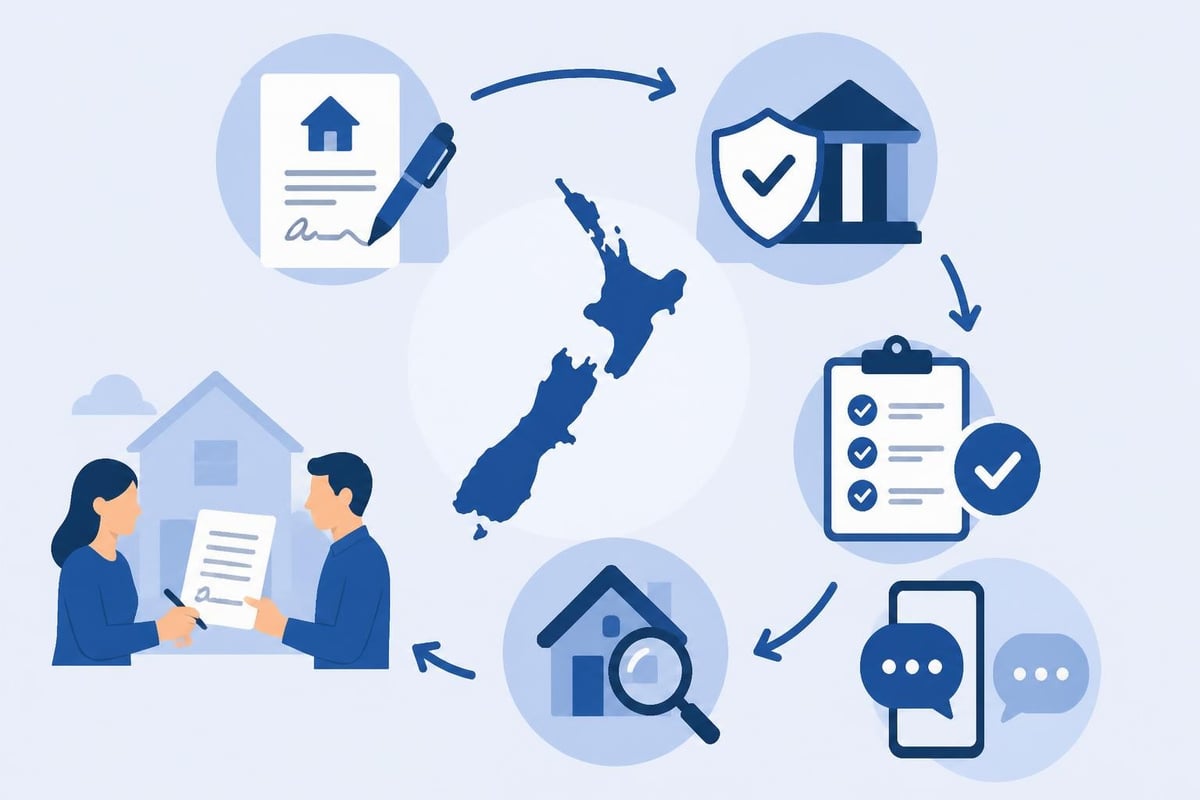
A tenant checklist extends well beyond move-in procedures. Regular maintenance schedules, periodic inspections, and clear communication protocols form part of effective ongoing management. Being a good tenant requires understanding these expectations, just as good landlording requires clear systems.
Quarterly Inspection Schedule
Conducting inspections every three to four months maintains property standards and identifies maintenance needs early. Your checklist should include:
- Twenty-four hour advance notice to tenants
- Specific areas requiring attention based on property age and condition
- Photographic evidence of any new issues
- Follow-up action items with timeframes
- Tenant feedback and concerns
Maintenance Response Framework
Establishing clear protocols for maintenance requests prevents small issues from becoming major problems. Document every request, response time, and resolution in your tenant checklist system. This creates an audit trail demonstrating responsible property management.
| Request Type | Response Timeframe | Documentation Required |
|---|---|---|
| Emergency (no water/heating) | Immediate (same day) | Photos, contractor details, costs |
| Urgent (leaks, security issues) | 24-48 hours | Assessment report, repair schedule |
| Routine (minor repairs) | 5-7 working days | Tenant request, completion confirmation |
| Non-urgent (cosmetic) | By mutual agreement | Scope of work, timing coordination |
Tenant Screening Integration
While this article focuses on managing current tenancies, your tenant checklist should begin earlier in the process. Proper tenant screening reduces future complications and ensures suitable matches between properties and occupants.
Screening elements to document include:
- Income verification: Confirm tenants can comfortably afford rent (typically no more than 30% of gross income)
- Rental history: Contact previous landlords to verify payment reliability and property care
- Reference checks: Confirm employment stability and character references
- Credit assessment: Review financial responsibility patterns
- Identification verification: Ensure accurate tenant information for all legal documents
Modern landlords increasingly rely on digital tools to manage these complex processes. Automated systems reduce manual data entry whilst maintaining comprehensive records that satisfy Tenancy Tribunal requirements if disputes arise.

End-of-Tenancy Procedures
When tenancies conclude, your tenant checklist proves its worth through systematic exit documentation. Compare the final property condition against move-in records, noting fair wear and tear versus damage requiring bond deductions. Critical lease items reviewed at the start make end-of-tenancy assessments more straightforward.
The final inspection should mirror the initial process, with both parties present when possible. Address cleaning standards, damage assessment, and key return protocols. Provide clear timeframes for bond refund processing and maintain professional communication even if disputes arise regarding property condition.
New Zealand law requires specific procedures for bond claims, with Tenancy Services mediating disputes. Your documented tenant checklist throughout the tenancy provides essential evidence supporting any claims or refunds.
Seasonal and Annual Compliance Reviews
Beyond individual tenancy cycles, landlords must maintain ongoing compliance with evolving regulations. Schedule annual reviews of your tenant checklist to incorporate legislative changes, insurance requirements, and building compliance certificates. The 2026 regulatory environment continues evolving, making regular verification against tenancy.govt.nz essential for current compliance.
Annual compliance items include:
- Insurance policy review: Confirm landlord insurance covers current property values and liability requirements
- Building warrant updates: Verify compliance certificates remain current
- Healthy Homes reassessment: Check that standards continue to be met as properties age
- Rent market analysis: Document market comparisons when considering rent adjustments
- Tax record preparation: Organise expense documentation for annual tax returns
Staying current with landlord responsibilities through systematic checklists reduces compliance risks and demonstrates professional property management.
A comprehensive tenant checklist transforms rental property management from reactive problem-solving into proactive relationship building. By systematically documenting every stage from pre-tenancy preparation through final inspections, landlords protect their investments whilst providing professional service to tenants. For self-managing landlords seeking to streamline these complex processes whilst maintaining full compliance with New Zealand tenancy law, TenancyIQ offers AI-powered solutions that handle documentation, compliance tracking, and expense management without manual data entry, allowing you to focus on building successful, long-term tenancies.