
A well-structured tenancy agreement model serves as the foundation for successful landlord-tenant relationships in New Zealand. For self-managing landlords, understanding the core components and best practices of tenancy agreements ensures legal compliance whilst protecting both parties' interests. With evolving regulatory requirements in 2026, having a robust framework for your tenancy documentation has never been more critical.
Core Components of an Effective Tenancy Agreement Model
Every tenancy agreement model should include fundamental elements that define the relationship between landlord and tenant. The standard residential lease agreement framework provides a useful reference, though New Zealand landlords must ensure their agreements comply with local legislation.
Essential sections include:
- Full legal names and contact details of all parties
- Complete property address and description
- Tenancy commencement date and duration
- Rental amount, payment frequency, and method
- Bond amount and lodgement details
- Maintenance and repair responsibilities
- Notice periods and termination conditions
Beyond these basics, your tenancy agreement model must address New Zealand-specific requirements. Understanding whether you're creating a fixed-term vs periodic tenancy impacts the structure and terms you include.
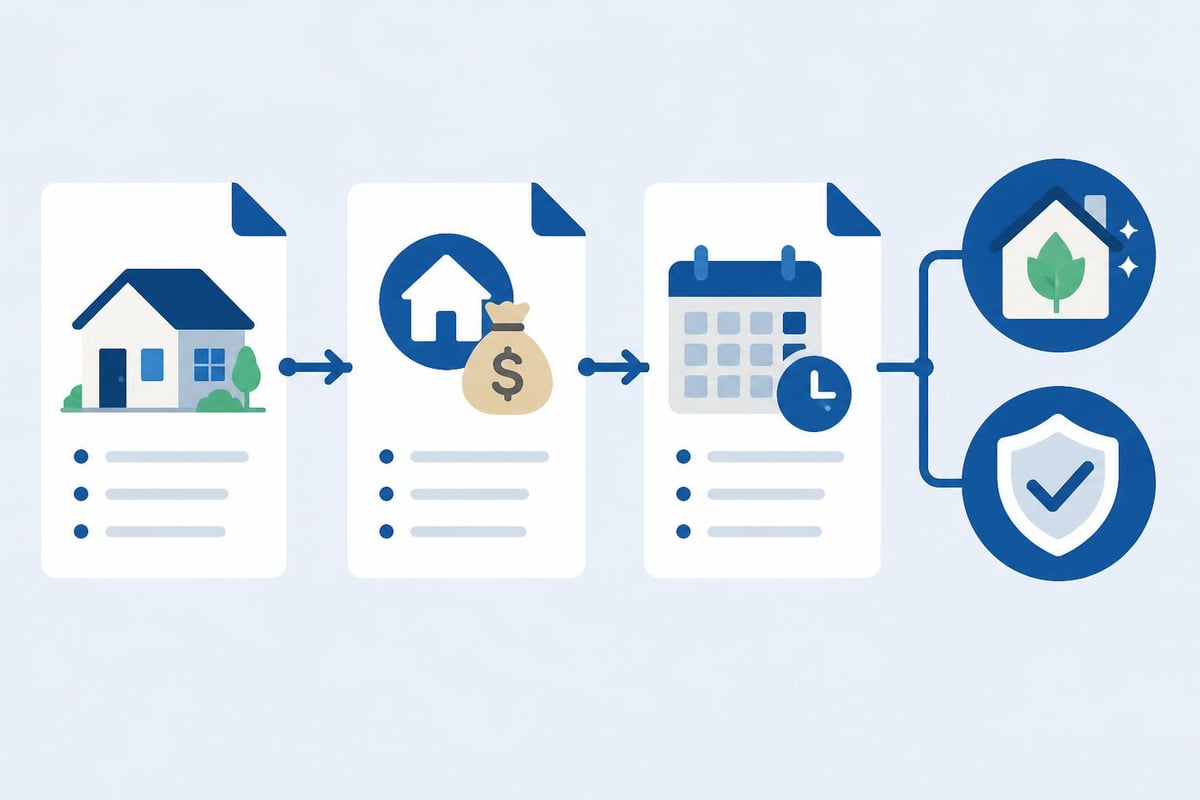
Regulatory Compliance Framework
New Zealand's tenancy legislation requires specific clauses that wouldn't appear in generic international templates. The Ministry of Business, Innovation and Employment (MBIE) sets minimum standards that every tenancy agreement model must incorporate.
Current regulatory requirements in 2026 include:
- Healthy Homes Standards – Detailed compliance statements
- Insulation statements – Type and location specifications
- Smoke alarm requirements – Number and positioning
- Bond lodgement information – Including Tenancy Services details
- Unlawful acts clauses – Specifically outlawed provisions
The Healthy Homes checklist requirements must be explicitly referenced in your tenancy agreement model. Failing to include these mandatory disclosures can result in penalties and complications at the Tenancy Tribunal.
Structuring Rent and Financial Terms
Your tenancy agreement model should present financial obligations with absolute clarity. Ambiguity around rent increases, payment methods, or additional charges creates the most common disputes between landlords and tenants.
| Financial Element | Required Detail | Example |
|---|---|---|
| Weekly rent amount | Exact dollar figure | $550.00 per week |
| Payment frequency | Specific schedule | Every Monday, fortnightly, or monthly |
| Payment method | Acceptable options | Bank transfer to specified account |
| Bond amount | Maximum 4 weeks' rent | $2,200.00 (4 × $550) |
| Rent review clause | Frequency and notice | Annual review with 60 days' notice |
Understanding rent increase rules in New Zealand ensures your tenancy agreement model includes legally compliant provisions. For 2026, landlords must provide at least 60 days' written notice for any rent increase, and can only increase rent once every 12 months for periodic tenancies.
Maintenance and Responsibility Clauses
A comprehensive tenancy agreement model clearly delineates maintenance obligations. This section prevents disputes about who handles repairs, lawn care, and property upkeep.
Landlord responsibilities typically include:
- Structural repairs and weatherproofing
- Plumbing and electrical system maintenance
- Heating and insulation standards compliance
- Major appliance repairs (if provided)
Tenant responsibilities generally cover:
- Routine cleaning and minor maintenance
- Garden care and lawn mowing (if specified)
- Replacing light bulbs and batteries
- Keeping drains and gutters clear
The template-based approach to tenancy schedules demonstrates how standardised formats improve clarity and reduce interpretation errors. When both parties understand their obligations from day one, relationship quality improves significantly.

Notice Provisions and Termination Procedures
Your tenancy agreement model must specify precise notice requirements for various scenarios. New Zealand law prescribes minimum notice periods that vary depending on tenancy type and termination reason.
Notice period requirements:
- Tenant ending periodic tenancy: 28 days' written notice
- Landlord ending periodic tenancy: 90 days' notice (without cause)
- Fixed-term expiry: No notice required if neither party seeks renewal
- Notice to remedy: 14 days for most breach situations
Including a comprehensive notice to remedy process in your tenancy agreement model protects both parties when issues arise. This section should reference MBIE-approved forms and proper service methods.
For self-managing landlords, tracking notice periods and compliance deadlines presents significant administrative challenges. Modern solutions help ensure you never miss critical dates whilst maintaining proper documentation.
Digital vs Traditional Tenancy Agreement Models
The shift toward digital tenancy agreement models has accelerated in 2026, offering efficiency gains for time-poor landlords. Electronic signatures are legally valid in New Zealand, provided proper authentication and record-keeping practices are followed.
| Approach | Advantages | Considerations |
|---|---|---|
| Digital model | Instant delivery, automatic storage, integrated reminders | Requires both parties' consent, needs secure platform |
| Paper model | Familiar process, physical signatures, no technology barriers | Storage challenges, difficult to track versions |
| Hybrid model | Flexibility for different tenants, backup documentation | Administrative complexity, version control issues |
When implementing a digital tenancy agreement model, ensure your platform maintains audit trails and complies with Privacy Act requirements. The security measures protecting tenant data should meet or exceed industry standards.
Customisation Within Standardised Frameworks
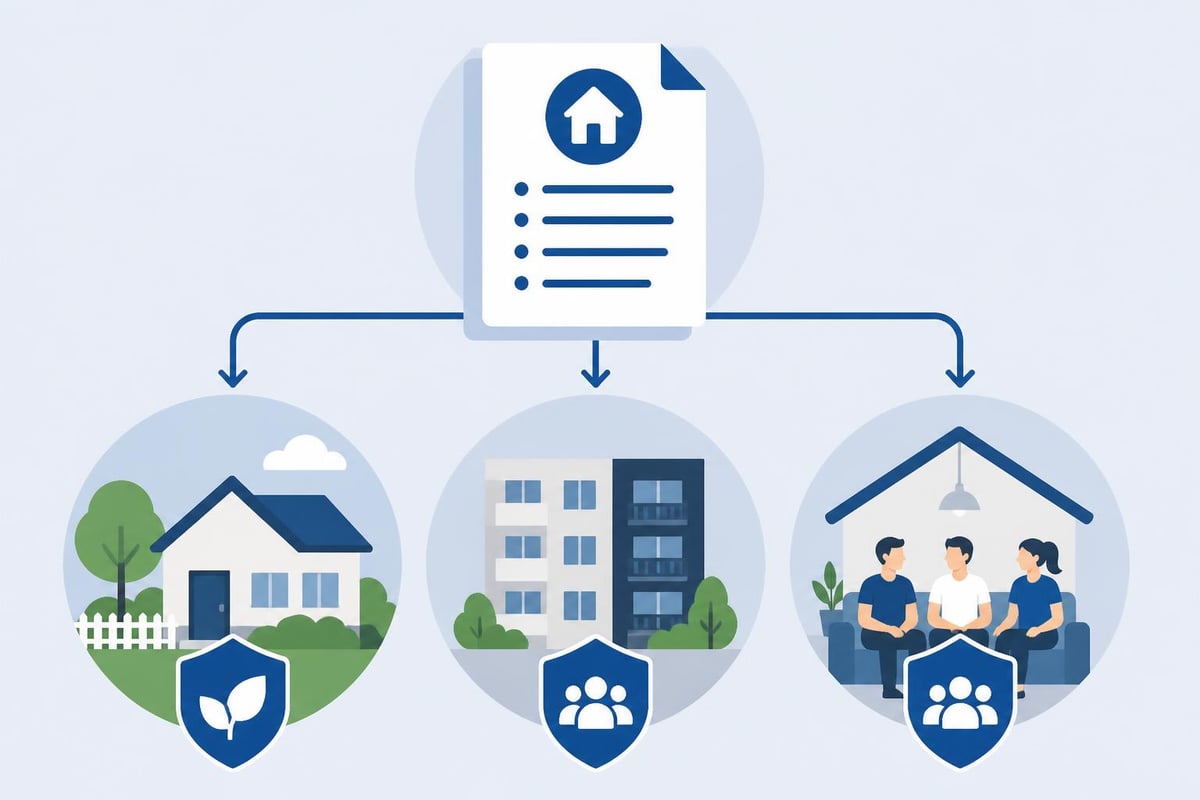
Whilst standardised templates provide excellent starting points, your tenancy agreement model should accommodate property-specific requirements. A simple one-page lease might suit straightforward situations, but most New Zealand tenancies require more comprehensive documentation.
Consider property-specific clauses for:
- Pet policies and associated conditions
- Garage or parking space allocation
- Shared driveway or access arrangements
- Garden or yard maintenance expectations
- Chattels inventory and condition
The various tenancy agreement templates available internationally demonstrate different structural approaches. However, New Zealand landlords should verify that any template they adapt includes all locally required provisions.
Record Keeping and Document Management
An effective tenancy agreement model extends beyond the initial document to encompass the entire tenancy lifecycle. Proper record-keeping supports dispute resolution and demonstrates compliance during inspections or tribunal proceedings.
Essential documentation to maintain:
- Signed original tenancy agreement
- Bond lodgement receipt from Tenancy Services
- Property inspection reports (initial and periodic)
- All written correspondence and notices
- Maintenance requests and completion records
- Rent payment history and receipts
The bond lodgement process requires specific documentation that your tenancy agreement model should reference. Ensuring tenants understand this process from the outset prevents confusion and delays.
For landlords managing multiple properties, maintaining consistent tenancy agreement models across your portfolio simplifies administration whilst ensuring no compliance gaps emerge. Tracking amendments, renewals, and variations becomes manageable when you start with standardised foundations.
A robust tenancy agreement model protects your interests whilst ensuring legal compliance and fostering positive landlord-tenant relationships. For New Zealand landlords seeking to streamline their tenancy documentation and compliance obligations, TenancyIQ offers AI-powered solutions that handle everything from agreement creation to notice generation and expense tracking. The platform ensures your tenancy agreements remain compliant with current regulations whilst reducing the administrative burden of self-management.