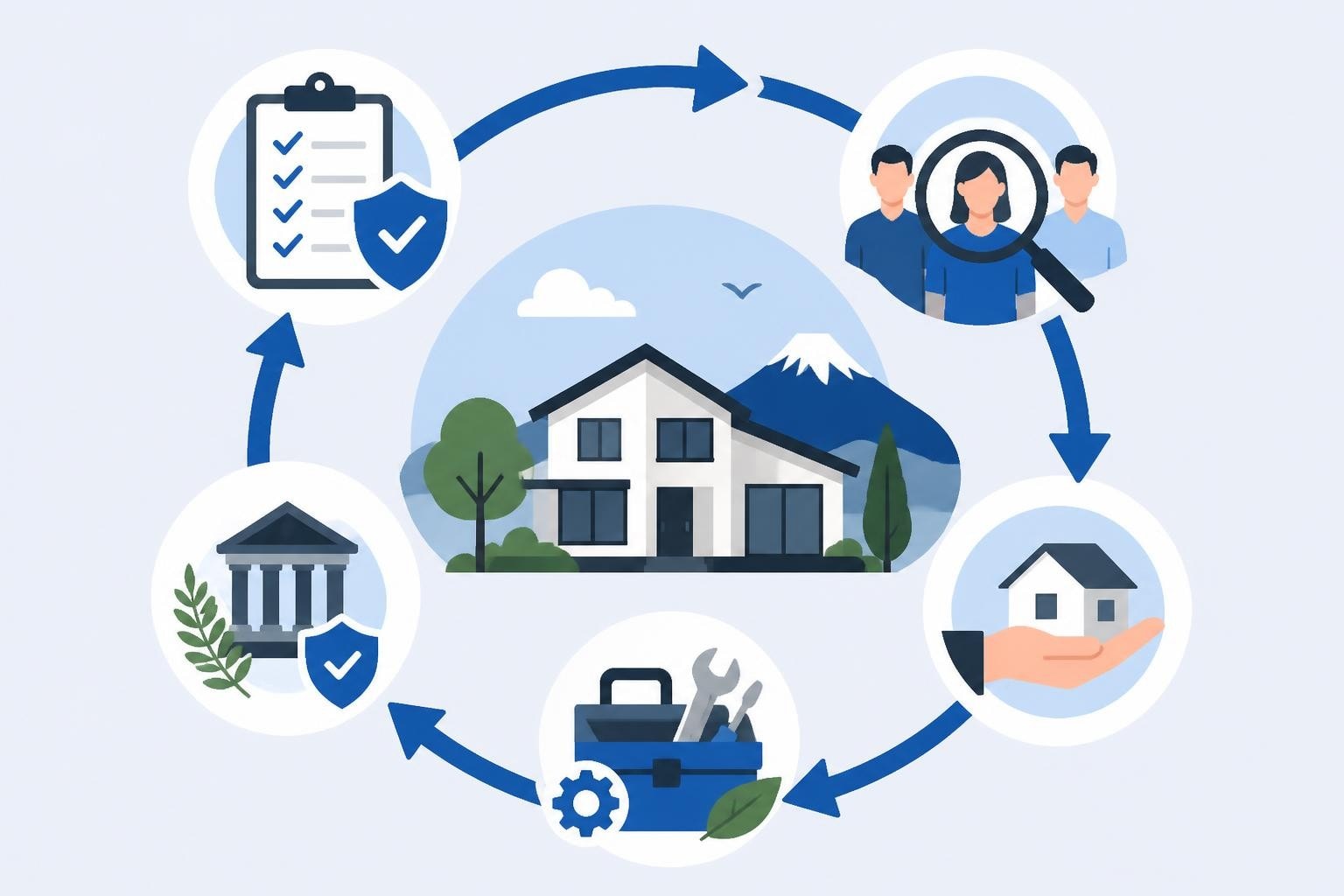
The landscape of rental homes NZ has transformed significantly over recent years, with regulatory changes reshaping how landlords approach property management. For self-managing landlords across Auckland, Wellington, Christchurch, and regional centres, understanding the current requirements and best practices is essential to running a compliant and profitable rental business. Whether you're managing a single property or building a portfolio, navigating today's tenancy environment demands both knowledge and efficient systems.
Understanding the Regulatory Framework for Rental Properties
New Zealand's rental sector operates under robust legislation designed to protect both landlords and tenants. The Residential Tenancies Amendment Act 2020 introduced substantial changes that continue to shape how rental homes NZ operate today.
Healthy Homes Standards Compliance
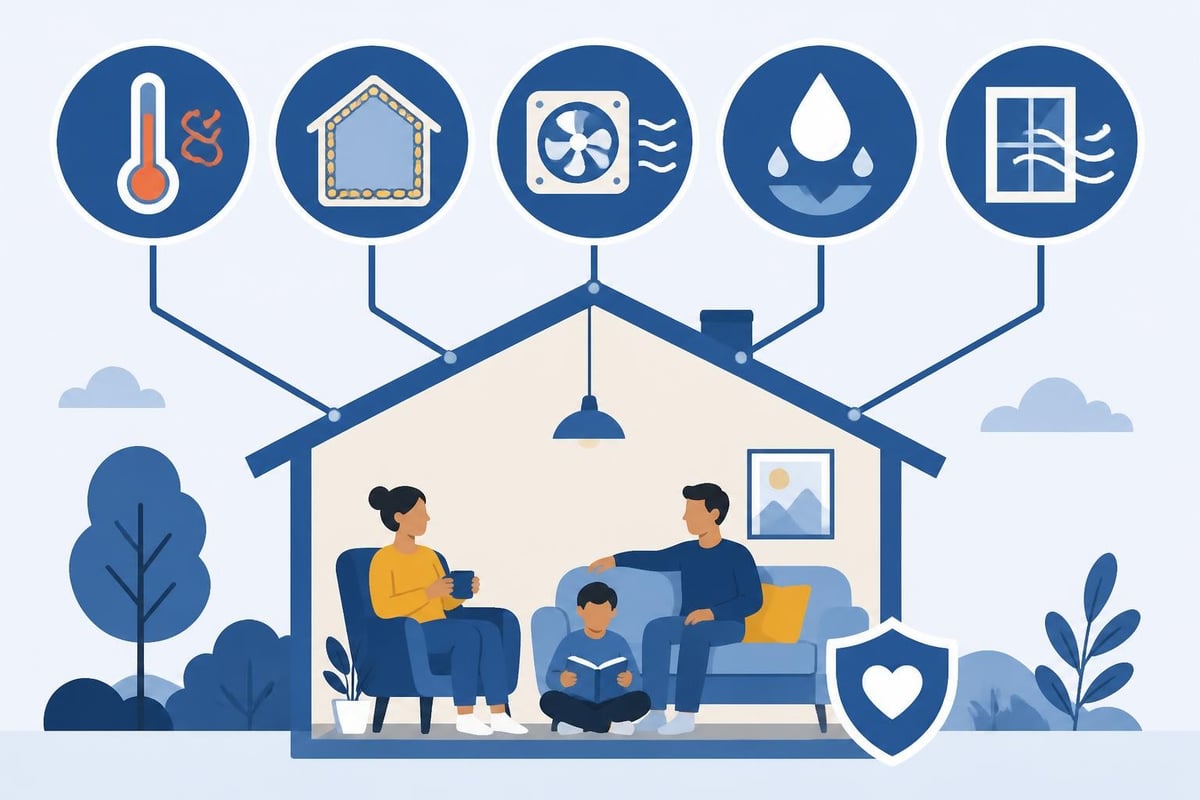
Since July 2021, all rental properties must meet the Healthy Homes Standards, ensuring properties provide adequate heating, insulation, ventilation, moisture management, and draught stopping. These requirements apply to all private rental homes across New Zealand, with specific implementation timelines depending on tenancy type.
Key compliance areas include:
- Ceiling and underfloor insulation meeting minimum R-values
- Fixed heating capable of reaching 18°C in living spaces
- Functioning extractor fans in kitchens and bathrooms
- Draught stopping for unused chimneys and windows
The standards represent a significant investment for many landlords, but they also contribute to healthier tenancies and reduced maintenance issues. Properties meeting these requirements typically attract quality tenants willing to pay appropriate market rents.
Managing Tenancy Agreements and Documentation
Proper documentation forms the foundation of successful property management. Every tenancy must begin with a written agreement, and landlords must provide specific notices at various stages of the tenancy relationship.
A comprehensive tenancy agreement model should cover rent amount, payment frequency, bond details, tenant and landlord responsibilities, and specific property conditions. While many landlords use standard forms, understanding what makes a sample tenancy agreement NZ compliant is crucial for avoiding disputes.
Essential Documentation Requirements
| Document Type | Timing | Purpose |
|---|---|---|
| Tenancy Agreement | Before tenancy starts | Legal foundation of tenancy |
| Bond Lodgement | Within 23 working days | Protects both parties |
| Insulation Statement | Before tenancy starts | Confirms compliance |
| Rent Increase Notice | 60 days before increase | Required notice period |
Managing these documents manually creates risk of oversight. Modern landlords increasingly rely on digital systems to track compliance deadlines and generate required notices automatically.
Financial Management and Rent Collection
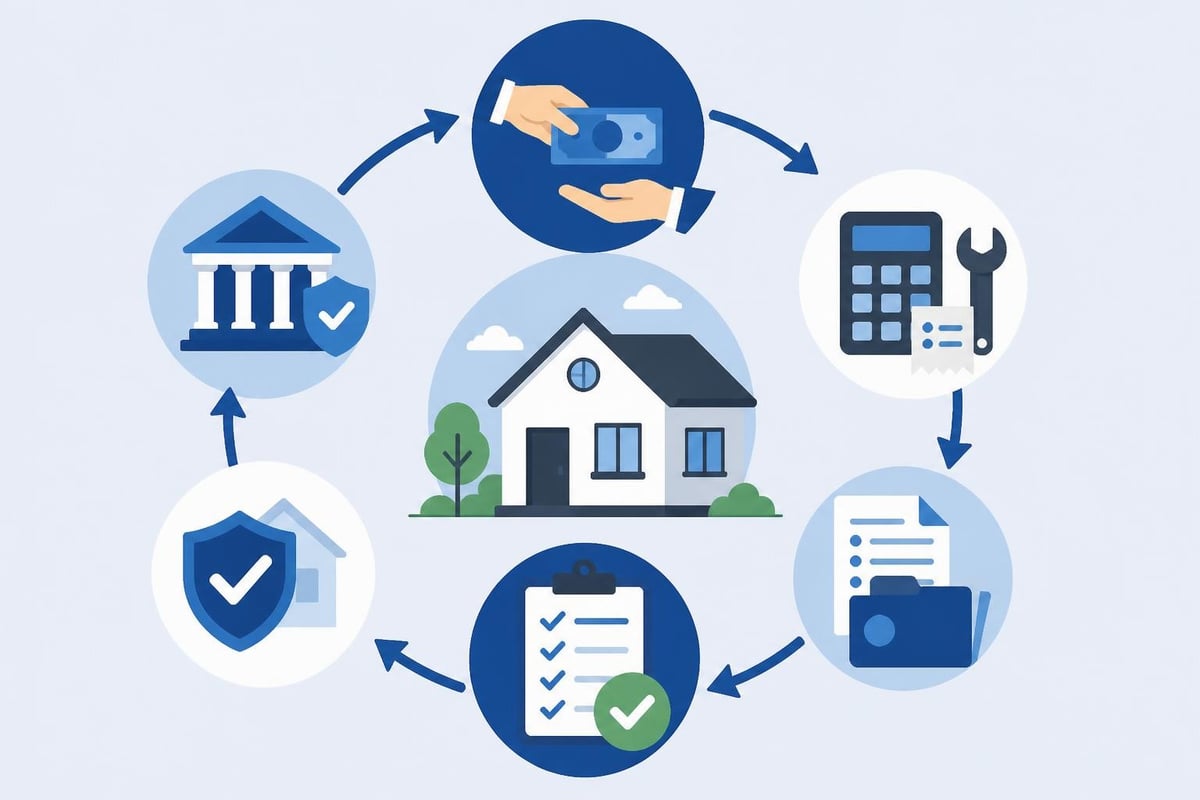
Effective financial tracking separates successful landlords from those who struggle with cashflow and tax compliance. Beyond collecting rent, landlords must maintain accurate records of all income and expenses related to their rental homes NZ portfolio.
Essential financial tasks include:
- Recording all rent payments and maintaining a clear ledger for rent
- Tracking deductible expenses including rates, insurance, and maintenance
- Managing bond payments through Tenancy Services
- Processing rent increases with proper notice periods
- Reconciling accounts for tax purposes
Understanding rent increase notice requirements is particularly important. Landlords must provide 60 days' written notice and cannot increase rent more than once every 12 months. The increase must also reflect genuine market conditions rather than arbitrary amounts.
Property Inspections and Maintenance
Regular inspections protect both the property's condition and the landlord-tenant relationship. However, inspections must balance the landlord's legitimate interest with the tenant's right to quiet enjoyment of their home.
Under current regulations, landlords may conduct routine inspections with at least 48 hours' notice, typically no more than once every four weeks. Using a standardised rental inspection checklist for landlords ensures consistency and thoroughness whilst documenting property condition over time.
Maintenance Response Timeframes
Different issues require different response times. Urgent repairs affecting health, safety, or security demand immediate attention, whilst non-urgent maintenance can be scheduled appropriately. Clear communication about maintenance procedures reduces tenant frustration and preserves property value.
Landlords must also consider how renting and flatting regulations affect their obligations, particularly regarding tenant privacy and property access rights.
Tenant Selection and Relationship Management
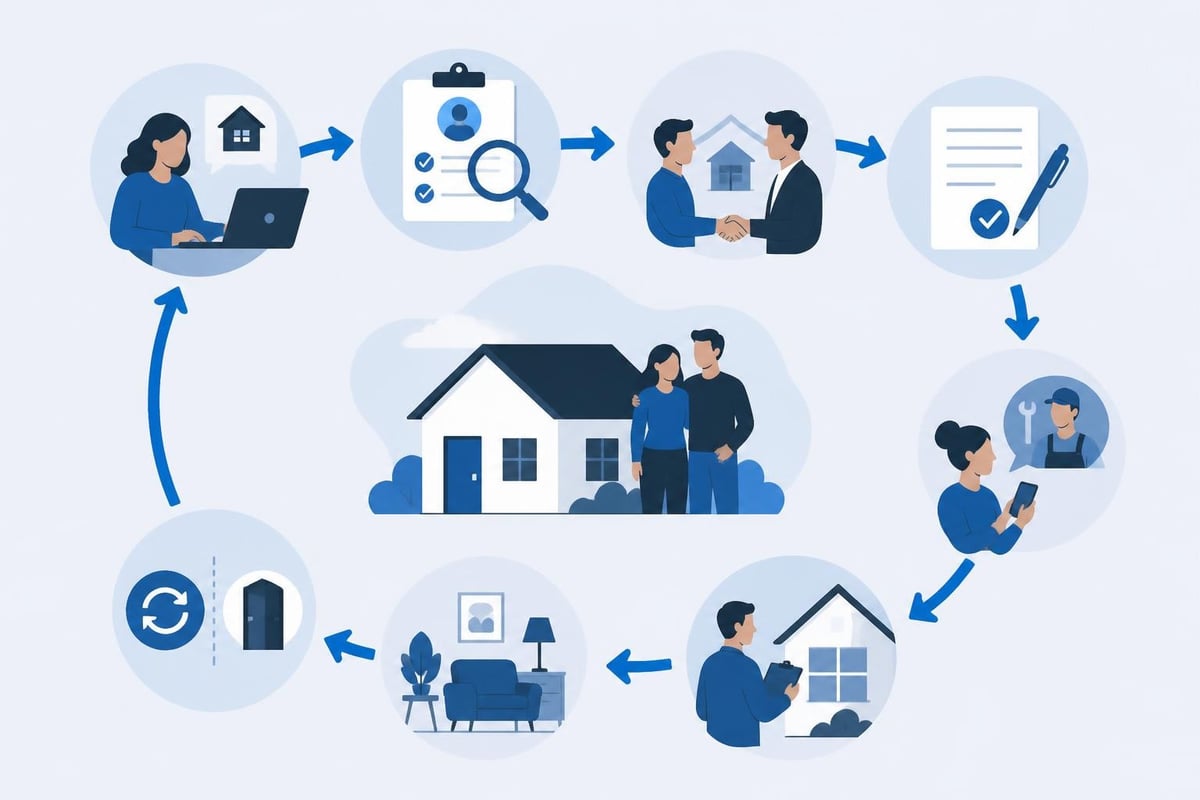
Finding reliable tenants is perhaps the most critical factor in successful property management. The tenant screening process must comply with privacy legislation whilst gathering sufficient information to make informed decisions.
Effective tenant selection involves:
- Clear advertising describing property features and requirements
- Consistent application processes for all prospective tenants
- Reference checks with previous landlords and employers
- Credit checks where appropriate and with consent
- Income verification to ensure rent affordability
Once a tenancy begins, maintaining professional relationships with tenants reduces turnover and vacancy periods. Prompt responses to maintenance requests, clear communication about property matters, and respect for tenant privacy all contribute to longer, more stable tenancies.
Technology Solutions for Self-Managing Landlords
The complexity of managing rental homes NZ has increased substantially with evolving regulations and compliance requirements. Self-managing landlords face particular challenges balancing their time between property management tasks and other commitments.
Digital property management platforms address many of these challenges by automating routine tasks, tracking compliance deadlines, and maintaining organised records. Features like automated notice generation, expense tracking, and inspection scheduling reduce administrative burden whilst improving accuracy.
For landlords exploring rent 2 rent strategies or managing multiple properties, technology becomes even more essential for maintaining control over complex portfolios.
Regional Market Considerations
The rental market varies significantly across New Zealand's regions. Auckland's competitive market demands different strategies than Christchurch's rebuild-influenced environment or Wellington's changing demographic patterns. Understanding local market conditions helps landlords set appropriate rents, target suitable tenant demographics, and time property improvements effectively.
Regional differences also affect compliance timelines, with some areas experiencing different implementation schedules for certain regulations. Landlords should verify specific requirements through official sources like tenancy information on govt.nz for their particular location and property type.
| Region | Median Rent (2026) | Key Market Features |
|---|---|---|
| Auckland | $650/week | High demand, competitive market |
| Wellington | $580/week | Professional tenants, stable demand |
| Christchurch | $480/week | Growing supply, family focus |
| Regional centres | $400-500/week | Longer tenancies, lower turnover |
Understanding these dynamics helps landlords make informed decisions about property acquisition, improvements, and management approaches suited to their specific market.
Successfully managing rental homes NZ in 2026 requires balancing regulatory compliance, financial discipline, and professional tenant relationships. Self-managing landlords who implement efficient systems and stay informed about their obligations position themselves for long-term success. TenancyIQ simplifies this process by automating compliance tracking, notice generation, and expense management, allowing you to focus on building your property portfolio rather than drowning in paperwork. Discover how AI-powered tenancy management can transform your landlord experience today.