
The rental format you choose for managing your tenancy properties shapes every aspect of your landlord experience. From the structure of your tenancy agreements to how you organise documentation and track rental income, the format determines your efficiency, compliance, and ability to scale. For New Zealand landlords in 2026, understanding rental format options and their implications has become essential as regulatory requirements grow more complex and digital solutions become the standard.
Understanding Rental Format in Property Management
Rental format refers to the structured approach landlords use to organise, document, and manage their tenancy arrangements. This encompasses everything from the tenancy agreement model you select to how you maintain records and communicate with tenants.
The format extends beyond legal documents. It includes your rent collection methods, inspection schedules, maintenance workflows, and compliance tracking systems. A well-designed rental format creates consistency across your portfolio, reduces administrative burden, and ensures you meet your obligations under the Residential Tenancies Act 1986.
Legal Documentation Formats
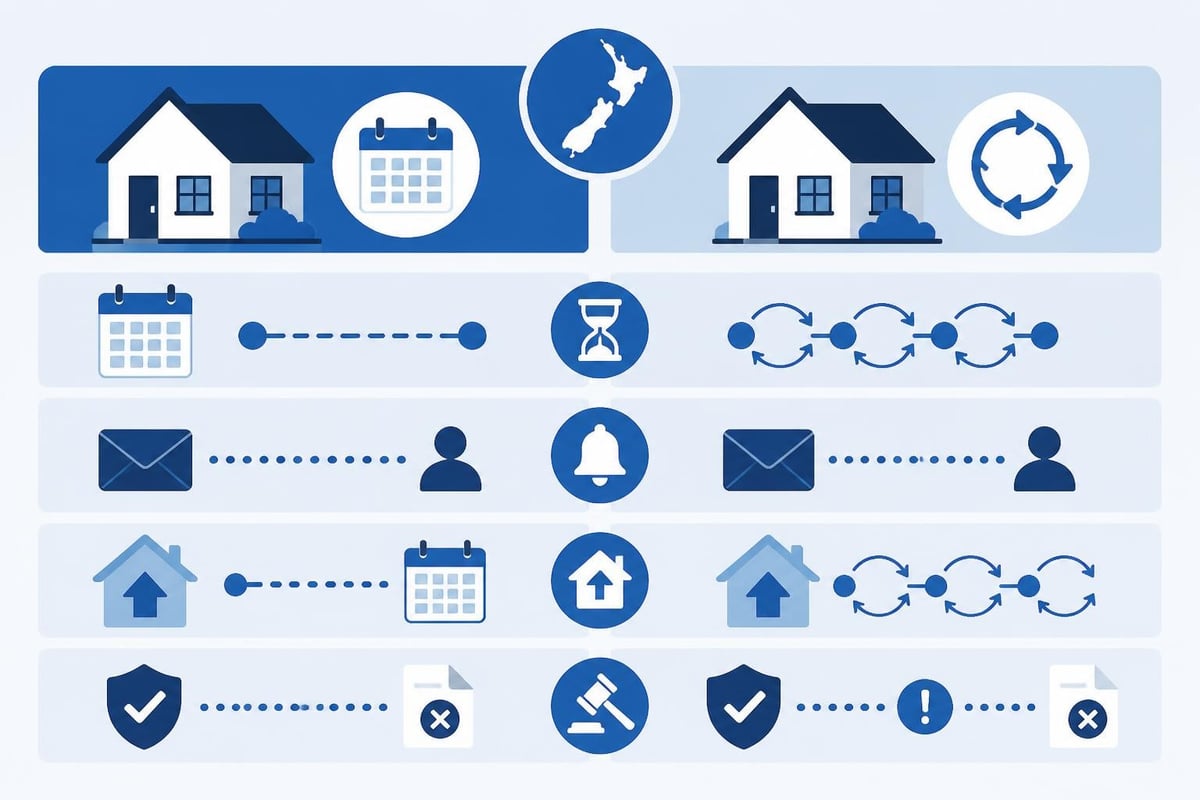
New Zealand landlords must work within specific legal frameworks when structuring their tenancies. Fixed-term and periodic agreements represent the two primary rental format options, each with distinct characteristics and use cases.
Fixed-term tenancies run for a specified period, typically six or twelve months. This format provides:
- Predictable income for a defined period
- Clear end dates that simplify planning
- Limited rent increase opportunities (only at renewal)
- Specific termination requirements under the RTA
Periodic tenancies continue indefinitely until one party gives notice. They offer greater flexibility but require careful management of notice periods and rent review schedules.
Your sample tenancy agreement in NZ should always specify which format applies, as this affects both parties' rights and obligations throughout 2026 and beyond.
Property Type and Rental Format Considerations
The rental format appropriate for your property depends significantly on what you're letting. Different rental property types demand tailored approaches to documentation and management.
Whole-property rentals follow standard residential tenancy formats where one household occupies the entire dwelling. Room-by-room rentals, increasingly common in Auckland and Wellington, require more complex formats addressing:
- Individual agreements for each tenant
- Shared space responsibilities
- Utility apportionment methods
- Bond allocation structures
Boarding house arrangements fall under separate regulations entirely, requiring specific documentation formats and compliance measures. Understanding rental management workflows helps clarify which format suits your situation.
Document Organisation Formats
How you structure and store your rental documentation affects your ability to respond to disputes, demonstrate compliance, and manage day-to-day operations. A comprehensive rental inspection checklist for landlords exemplifies one critical document requiring consistent formatting.
| Document Category | Retention Period | Format Recommendation |
|---|---|---|
| Tenancy Agreements | 12 years post-tenancy | Digital with physical backup |
| Bond Lodgement Receipts | Duration + 12 years | Digital with Tenancy Services integration |
| Inspection Reports | Duration + 7 years | Digital with photo evidence |
| Rent Records | 7 years | Digital ledger format |
| Maintenance Records | Duration + 7 years | Digital with receipts attached |
Effective rental property document organisation follows consistent naming conventions and folder structures. For example, a format like "PropertyAddress_DocumentType_YYYY-MM-DD" ensures chronological clarity when retrieving records.
Financial Recording Formats
Maintaining accurate financial records in the appropriate rental format protects you during tax time and Tenancy Tribunal disputes. A proper ledger for rent tracking system should capture every transaction with standardised formatting.
Your financial rental format must include:
- Rent received entries showing date, amount, payment method, and receipt number
- Expense records categorised by type (maintenance, rates, insurance)
- Bond transactions documented separately with Tenancy Services references
- Arrears tracking showing cumulative balances and payment arrangements
Modern landlords increasingly adopt digital formats that integrate with accounting software and banking systems. This eliminates manual data entry whilst maintaining the audit trail required by the IRD.

Rent Roll Format and Portfolio Management
For landlords managing multiple properties, a comprehensive rent roll provides the rental format foundation for portfolio oversight. This document consolidates critical information including tenant names, lease terms, rental amounts, and key dates across all properties.
Essential rent roll columns include:
- Property address and unit identifier
- Tenant names and contact details
- Lease commencement and expiry dates
- Current weekly/fortnightly rent amounts
- Bond amounts and lodgement numbers
- Next rent review or lease renewal date
- Occupancy status and vacancy periods
Maintaining this format digitally enables quick analysis of portfolio performance, upcoming vacancies, and rent increase opportunities.
Notice and Compliance Form Formats
New Zealand landlords must issue various notices throughout a tenancy, each requiring specific formatting to ensure legal validity. Rent increase notices exemplify how critical correct formatting is for compliance.
The RTA prescribes exact notice periods and content requirements. Using standardised rental forms approved by legal professionals reduces the risk of invalid notices that could undermine your position.
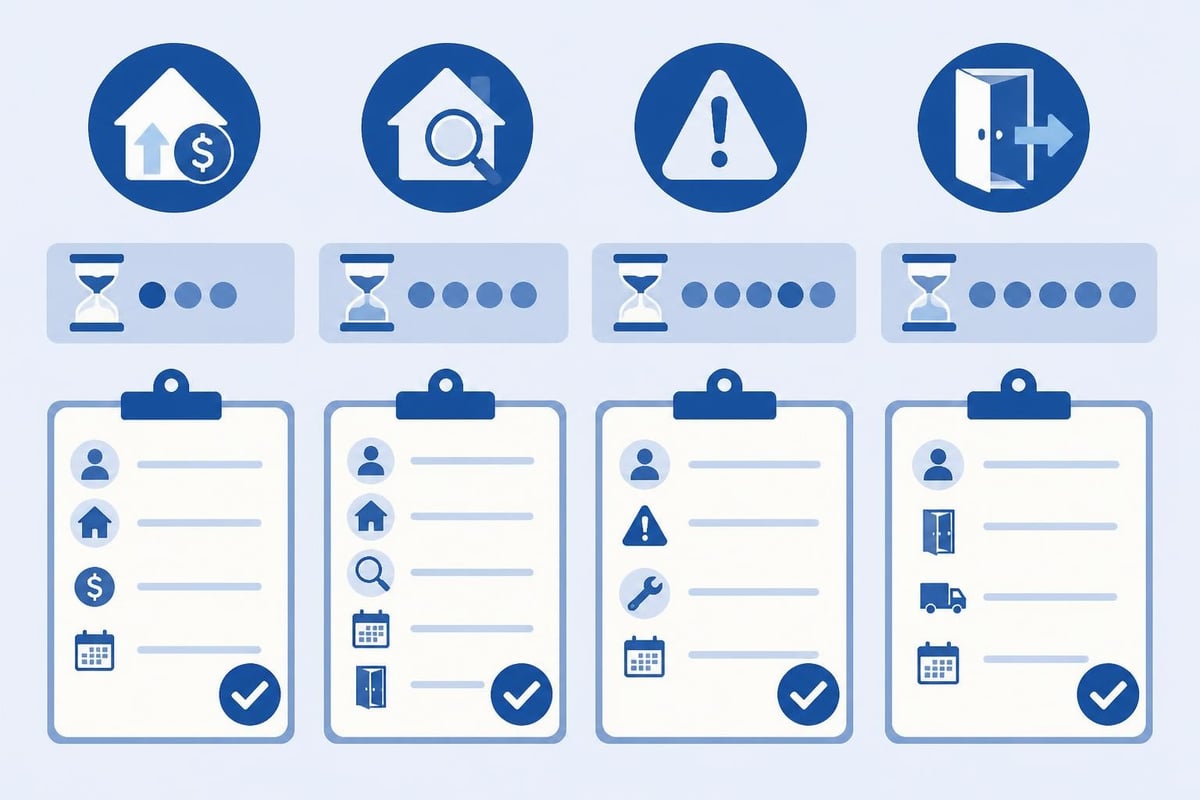
Key notice formats landlords must master include:
- Rent increase notifications (60 days minimum notice)
- Entry notices for inspections (24 hours minimum)
- Remedy notices for breaches (14 days typically)
- Termination notices (varying by grounds and tenancy type)
- Healthy Homes compliance declarations
Each format must include specific elements: parties' names, property address, relevant dates, clear statements of purpose, and landlord signatures. Incomplete or incorrectly formatted notices may be deemed invalid by the Tenancy Tribunal.
Digital Versus Paper Format Systems
The shift from paper-based to digital rental format systems has accelerated through 2024-2026, driven by efficiency gains and improved compliance tracking. However, the optimal approach often combines both methods strategically.
| Aspect | Digital Format | Paper Format |
|---|---|---|
| Storage Space | Minimal physical space required | Requires secure filing cabinets |
| Accessibility | Instant from anywhere | Location-dependent |
| Backup Security | Cloud redundancy available | Vulnerable to fire/flood |
| Legal Acceptance | Fully valid with e-signatures | Traditional acceptance |
| Search Capability | Keyword searchable | Manual sorting required |
| Cost Over Time | Lower ongoing costs | Higher physical storage costs |
Modern platforms handle the complexity of maintaining compliant rental formats whilst reducing manual workload. The key is ensuring whatever format you choose maintains complete, accurate records that satisfy both the IRD and Tenancy Services requirements.
For landlords exploring alternative models, understanding rent-to-rent arrangements reveals how rental format must adapt to more complex tenancy structures where you're simultaneously tenant and landlord.
Choosing and maintaining the right rental format isn't merely administrative tidiness; it's fundamental to operating legally, efficiently, and profitably as a New Zealand landlord in 2026. The right systems reduce your time burden whilst ensuring you meet every compliance obligation. TenancyIQ handles the complexity of rental format management for self-managing landlords, automatically structuring your documentation, tracking compliance deadlines, and maintaining the records you need without manual data entry, letting you focus on growing your portfolio with confidence.