
Rental disputes remain one of the most challenging aspects of property management for self-managing landlords in New Zealand. Whether it's disagreements over bond deductions, maintenance responsibilities, or tenancy termination, these conflicts can consume significant time and resources. Understanding how to prevent, manage, and resolve rental disputes effectively is essential for maintaining profitable rental properties whilst adhering to New Zealand's residential tenancy laws in 2026.
Common Causes of Rental Disputes
The majority of rental disputes in New Zealand stem from a handful of recurring issues that landlords can actively prevent through proper management practices.
Bond and Property Condition Disagreements
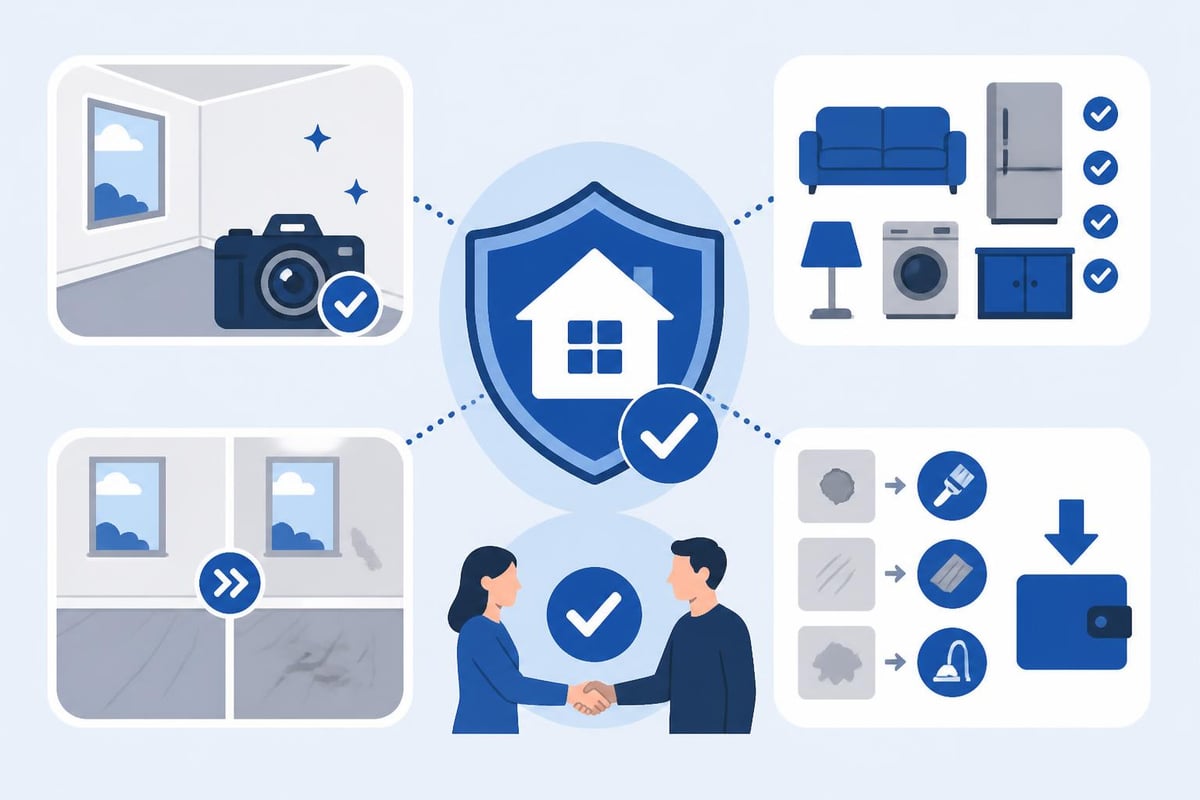
Bond disputes represent the most frequent type of conflict between landlords and tenants. These typically arise when landlords deduct amounts for damage or cleaning, whilst tenants argue the property was left in acceptable condition. Detailed move-in and move-out inspections are crucial for avoiding these conflicts.
Creating a comprehensive rental inspection checklist for landlords with photographic evidence establishes a clear baseline. This documentation becomes invaluable if disputes escalate to the Tenancy Tribunal.
Maintenance and Repair Responsibilities
Confusion over who is responsible for specific repairs frequently leads to rental disputes. New Zealand law requires landlords to maintain properties to meet Healthy Homes standards, but tenants are responsible for damage beyond normal wear and tear.
- Landlord obligations: Structural repairs, weathertightness, heating, insulation, ventilation
- Tenant responsibilities: Cleaning, minor repairs, damage caused by negligence
- Grey areas: Wear and tear versus damage, urgent versus routine repairs
Understanding these distinctions and communicating them clearly in your tenancy agreement helps prevent misunderstandings. The Healthy Homes checklist provides specific compliance requirements that landlords must meet.
Prevention Through Proper Documentation
The most effective strategy for minimising rental disputes is comprehensive record-keeping from the start of every tenancy.
| Document Type | Purpose | Retention Period |
|---|---|---|
| Tenancy agreement | Legal foundation of tenancy | Duration + 12 months |
| Inspection reports | Condition evidence | Duration + 12 months |
| Maintenance records | Proof of compliance | Indefinite |
| Communication logs | Dispute resolution evidence | Duration + 12 months |
Every interaction with tenants should be documented, particularly when addressing concerns or arranging repairs. Email communication creates automatic timestamped records that prove invaluable during Tenancy Tribunal proceedings.
Clear Communication Protocols
Establishing formal communication channels prevents many rental disputes before they escalate. Tenants should know exactly how to report maintenance issues, request repairs, or raise concerns about their tenancy.
Using a tenant portal streamlines these interactions and automatically creates audit trails. This transparency benefits both parties by ensuring requests are tracked and addressed systematically.
Notice Requirements and Compliance
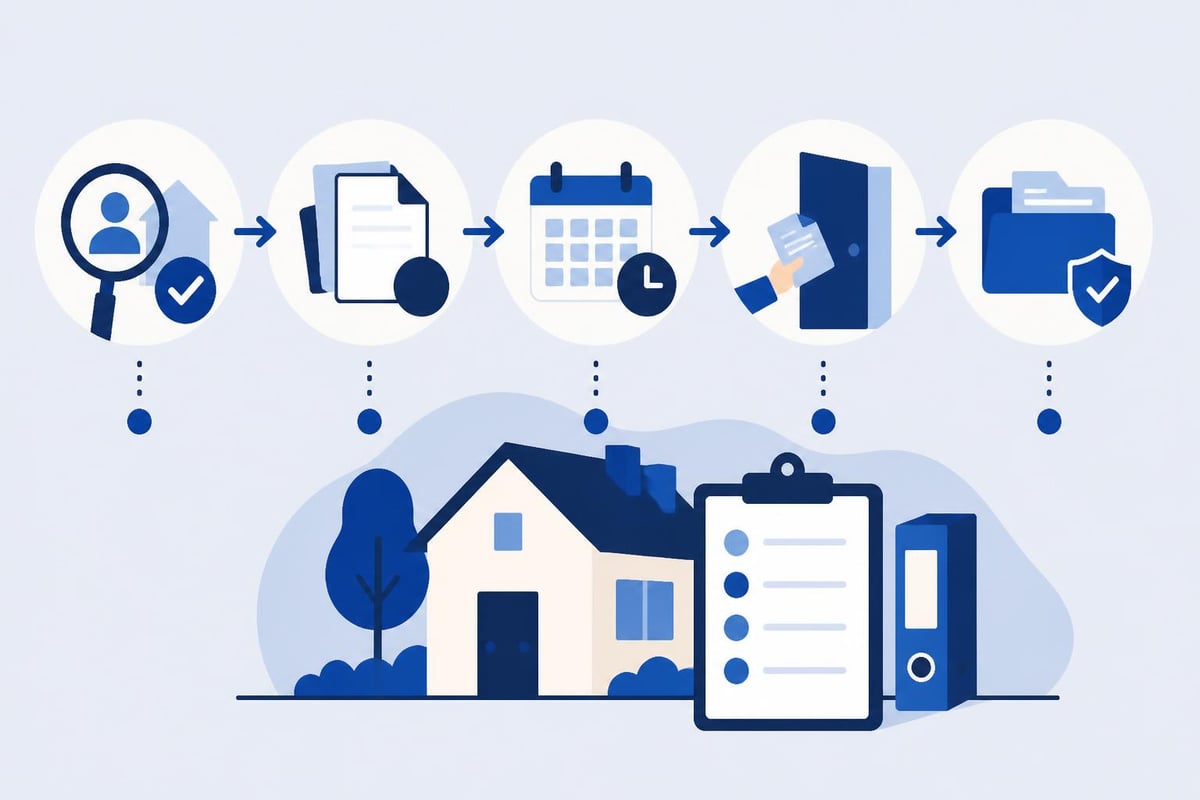
Many rental disputes arise from procedural errors, particularly around notice periods and termination processes. New Zealand's Residential Tenancies Act 1986 specifies exact requirements that landlords must follow.
Ending a Tenancy Correctly
Incorrect notice procedures represent a significant source of disputes. Landlords must use the correct forms and provide appropriate notice periods depending on the tenancy type and termination reason.
Common notice mistakes:
- Using incorrect Ministry of Business, Innovation and Employment (MBIE) forms
- Failing to provide sufficient notice period
- Not serving notice correctly
- Terminating without valid grounds
Understanding the differences between fixed-term and periodic tenancies is crucial, as each requires different termination procedures. For instance, fixed-term tenancies cannot be terminated before the end date without specific grounds.
Managing Rent-Related Disputes
Rent increases and payment disputes require particularly careful handling under New Zealand law. The rules around rent increases changed in recent years, and landlords must comply precisely to avoid disputes.
Rent Increase Procedures
Landlords can only increase rent once every 12 months and must provide 60 days' written notice using the correct form. The increase must also be proportionate to market rates. Jurisdictions like California have implemented rent caps, though New Zealand currently has no nationwide rent control beyond the frequency limitation.
Documenting market research when increasing rent helps justify your decision if challenged. Keep records of comparable properties and rental market data to support your increase amount.
Resolution Pathways for Active Disputes
When prevention fails and rental disputes arise, landlords have several resolution pathways available in New Zealand.
Informal Resolution
Most rental disputes can be resolved through direct negotiation. Before escalating to formal processes, attempt to:
- Schedule a face-to-face meeting or phone call
- Listen to the tenant's perspective fully
- Review all documentation together
- Propose practical compromises
- Document agreed solutions in writing
This approach often preserves the landlord-tenant relationship whilst resolving issues quickly and cost-effectively.
Tenancy Mediation Services
MBIE offers free mediation services for rental disputes. A neutral mediator helps both parties reach agreement without requiring Tribunal involvement. This process is faster and less formal than Tribunal hearings.
Mediation works particularly well for disputes involving maintenance responsibilities, minor bond disagreements, or communication breakdowns. Both parties must agree to participate, and any settlement becomes legally binding.

Tenancy Tribunal Applications
When informal resolution and mediation fail, either party can apply to the Tenancy Tribunal. This quasi-judicial body has authority to make binding decisions on rental disputes. Common Tribunal applications include bond disputes, unlawful termination claims, and breach of tenancy obligations.
The Tribunal process mirrors court proceedings in many ways, including evidence requirements and appeal rights. Landlords should prepare thoroughly by organising all documentation, photographs, and correspondence. Understanding tenant rights frameworks, even those from other jurisdictions, can provide useful context for tribunal preparation.
Technology and Dispute Prevention
Modern property management technology significantly reduces rental disputes by automating compliance and improving documentation. AI-powered platforms track notice periods, generate compliant forms, and maintain comprehensive records automatically.
For self-managing landlords, these tools level the playing field with professional property managers. Automated compliance tracking ensures you never miss critical deadlines or use outdated forms, both common sources of disputes.
Digital systems also improve transparency by giving tenants access to their own records and maintenance request status. This visibility reduces frustration and miscommunication, two frequent catalysts for rental disputes.
Preventing and managing rental disputes requires systematic documentation, clear communication, and strict compliance with New Zealand's tenancy laws. By implementing proper processes from the start of each tenancy, landlords can significantly reduce conflict whilst protecting their investment. TenancyIQ helps self-managing landlords navigate these challenges through AI-powered compliance tracking, automated notice generation, and comprehensive record-keeping, making professional-grade property management accessible to individual landlords across New Zealand.